With an acute understanding of the inner workings of the art world, tenured arts professional Spencer Young has launched a first-of-its-kind firm: part agency in support of artists, part advisory practice for collectors. Ethically minded and tailored toward client needs, Spencer Young Inc is predicated upon its founder’s extensive gallery network both domestically and throughout Europe. Following years of orienting collectors in their pursuits—and liaising with and empowering artists—the business model solidified. Throughout art-market fluctuation, Young has navigated collaboration by prioritizing agility and adaptability. To learn more, we spoke with Young about the specificity of his path and what he seeks in partnerships.
Spencer Young Inc serves both artists and collectors. How do those two sides of your practice inform and strengthen each other—and why did you decide to build them together?
Throughout my many years of advising collectors, I have always felt it was important to establish direct relationships with artists, especially those that I advocated to support in depth, many of whom would seek advice about their own careers. It feels natural now for me to work with both more formally, like using both sides of my brain. I do keep them separate as I’m sensitive to conflicts of interest, but I find that there is a common sensibility with my approach. Clients find that collecting is in itself a creative outlet, so my understanding of that process helps them see beyond pure investment value. For artists, they gain insight into what makes collectors tick and the mechanics of the art world business from my first-hand experience.
You trained as an artist and earned an MFA in photography from Yale. How does that lived experience shape the advice that you give to artists?
I collaborate quite closely with the artists I work with in the studio, as the decisions made here are ultimately more important than anything else. The shared experience and perspective allows me to connect with artists on a more intimate level. I can empathize with the challenges of creative blocks and intuitively know when it’s time to edit, push or let them find their path which often requires failure. The studio can be a lonely place, and most of the time I’m just trying to help them get out of their own way.
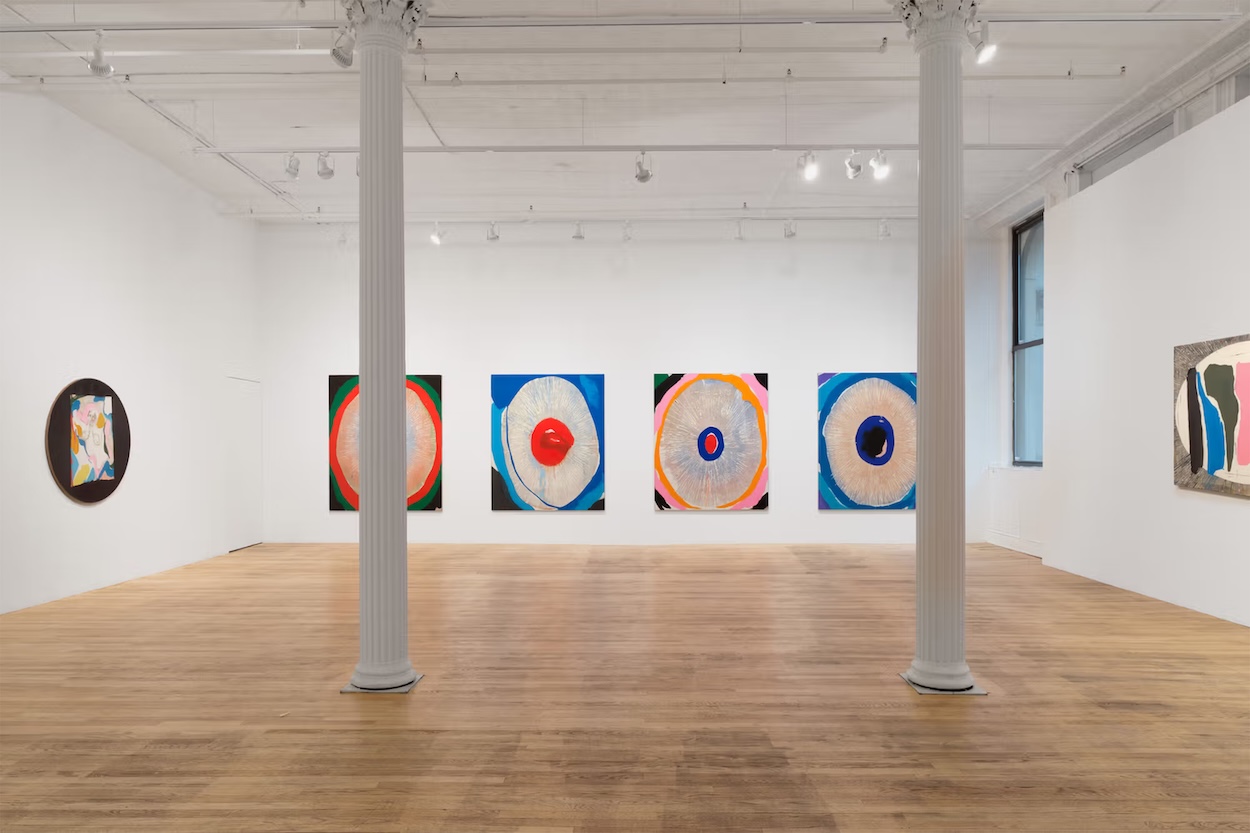
Sophie Reinhold, Echo, Bortolami, New York, 2026. Courtesy of the artist and Bortolami. Photo: Guang Xu.…
What did your decade in fashion and luxury within LVMH teach you about client relationships, business development, or brand-building?
I sort of fell into a fashion career after I decided to pivot professionally a few years post-Yale. The corporate world taught me about performance metrics, sales, and trend forecasting, and how to communicate effectively in different ways with regard to negotiation. As there are many parallels between the art and fashion industries, I gained a lot of knowledge about the importance of presentation, timing, and marketing. Through this experience I’ve been able to navigate collaborations with brands as I know how they operate and can speak their language and in turn can make sure that the artists aren’t taken advantage of in the process.
How do you juxtapose positioning emerging careers with established artists and estates? Why is it important for you to represent both?
I tend to shy away from the term “emerging” as I think people define it in many different ways. I primarily work with artists approaching mid-career, and a few younger ones who feel wise beyond their years. Most of them have exhibited extensively; often the positioning has to do with saying no to more things and being able to wait for the right opportunities to present themselves. Estate projects often have different objectives and their own set of challenges. Whenever possible I try to collaborate with like minded colleagues in order to benefit from expanded networks and collective skill sets. All in all, I benefit from the variety as it enables me to grow and push myself out of my comfort zone.
You’ve spoken about responding to “the new realities of the market” and a “transitional landscape.” What specific changes are you seeing and why do you think now is the moment when artists most need dedicated advocacy and strategic support?
Most galleries have gone through significant restructuring resulting in more artists on their rosters and fewer staff available to support them. With the constant cycle of fairs and exhibitions, they’ve had to shift their focus primarily to sales and they simply don’t have the time nor the bandwidth they once had. It’s more evident than ever before that artists need third-party advice and strategic thought partners; I’ve found that the galleries see my contribution as additive to their overall endeavors.
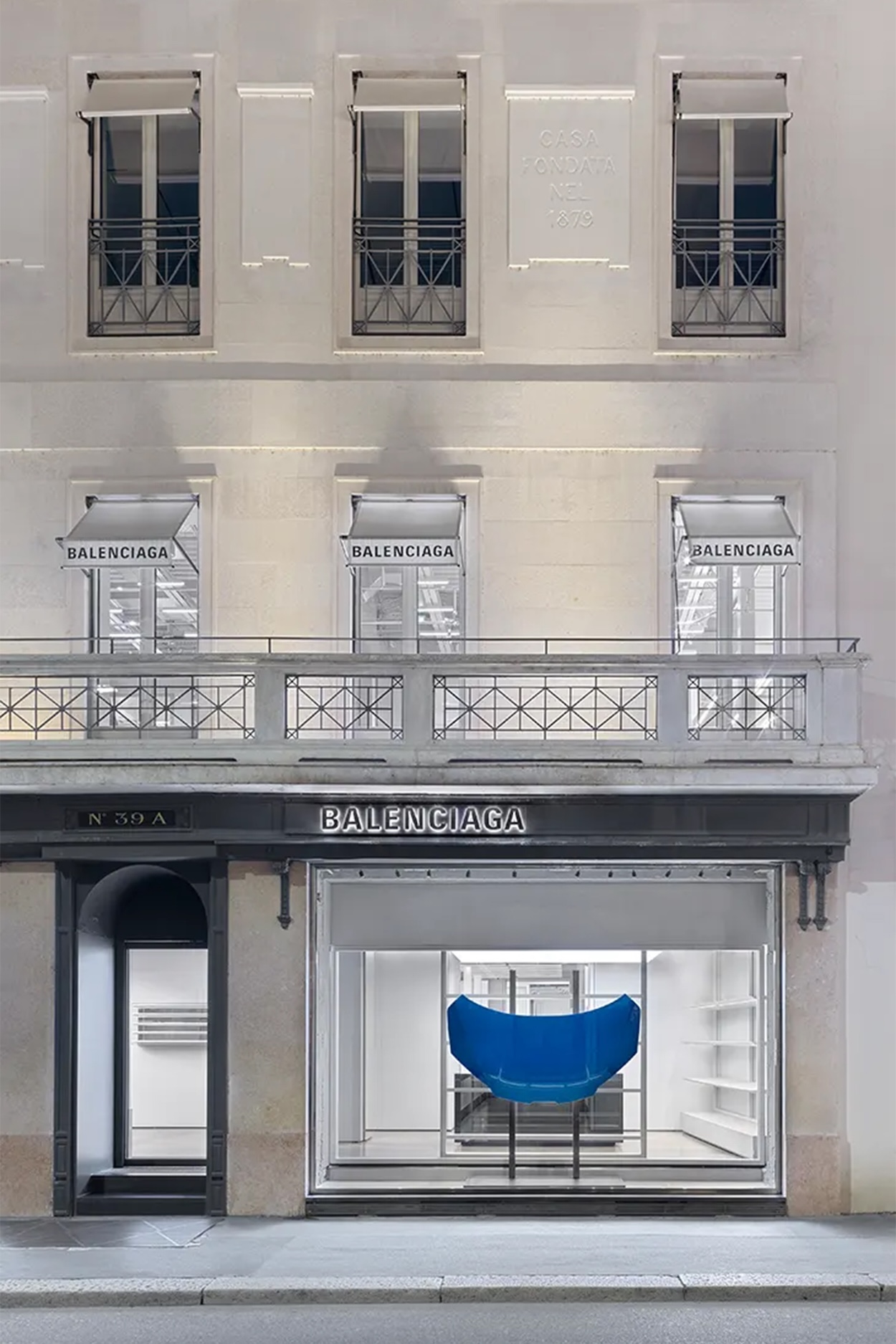
Yngve Holen, Art in Stores, Balenciaga | Automobili Lamborghini, Milan, 2025. Courtesy of the artist and Balenciaga.…
You specialize in building cross-Atlantic exposure for artists, bridging U.S. and European markets. What are the most common blind spots that artists have when trying to expand into new geographic markets and what does a smart international strategy look like?
Many artists tend to fixate on the name on the door and the associated prestige of the artist roster, overlooking the importance of having a gallerist who can really champion them. When it comes to smart international strategy, artists need to take into account the legibility of their work with regard to new markets. As for finding additional partnerships, the process is very nuanced: it’s about timing, context, and chemistry. My experience as an advisor has created strong relationships with galleries internationally, resulting in an intimate understanding of the ecosystem. It’s important also for them to think creatively and explore opportunities beyond the white box.
How does your approach differ with established collectors versus ones that are just starting?
For those who are new to collecting, I try to spend as much time as possible in the discovery phase: looking at art together to get a sense of what moves them, and educating them on how the business works. When it comes to established collectors, I start with an in-depth assessment of their collection so that I can identify compelling dialogues between works that we can further develop, a process which also allows me to determine what gaps exist in the collection and how we can address them. In both cases, establishing trust first is paramount. For me, being able to help shape a mature collection is just as fulfilling as is being able to build one from the ground up.