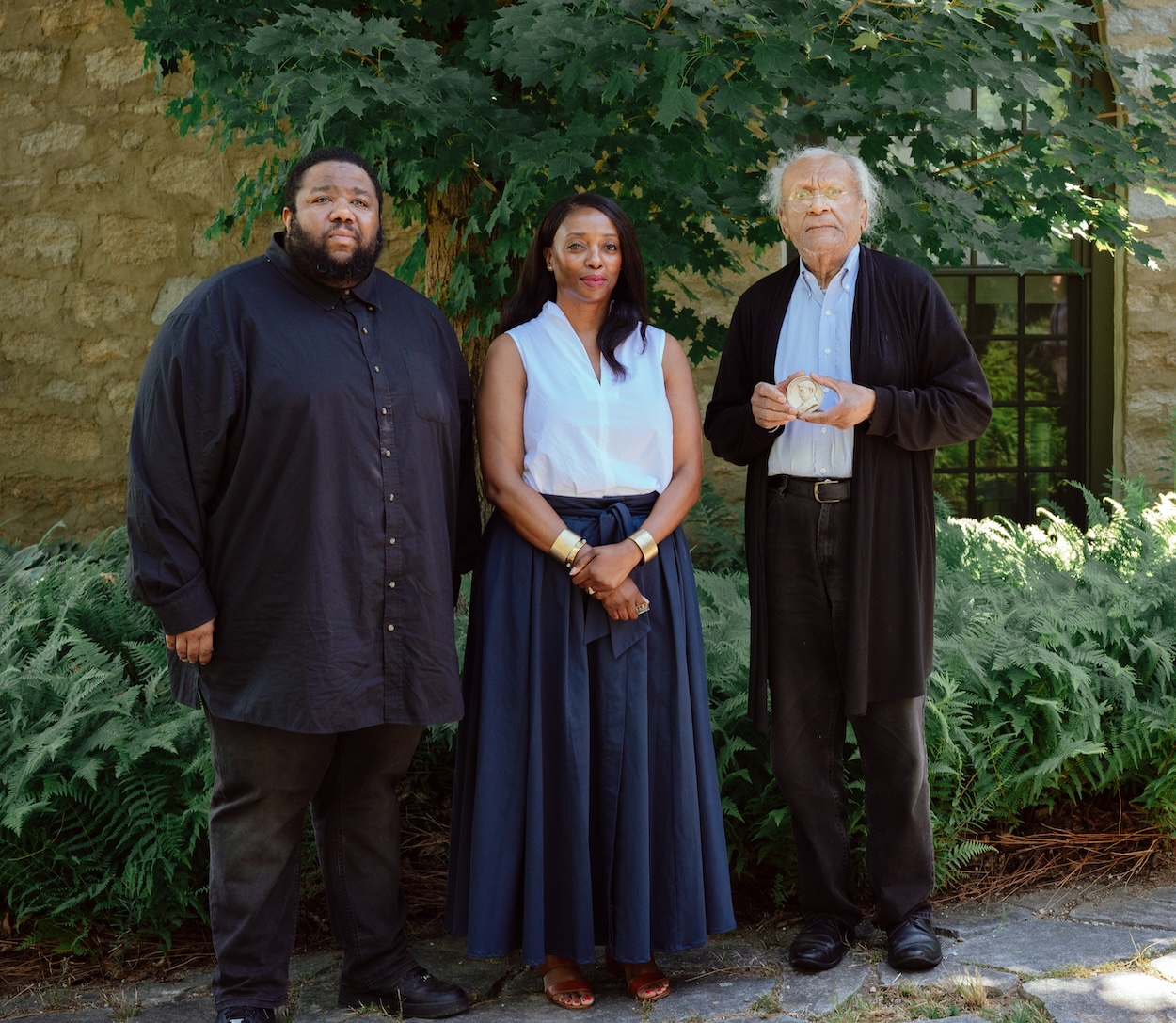
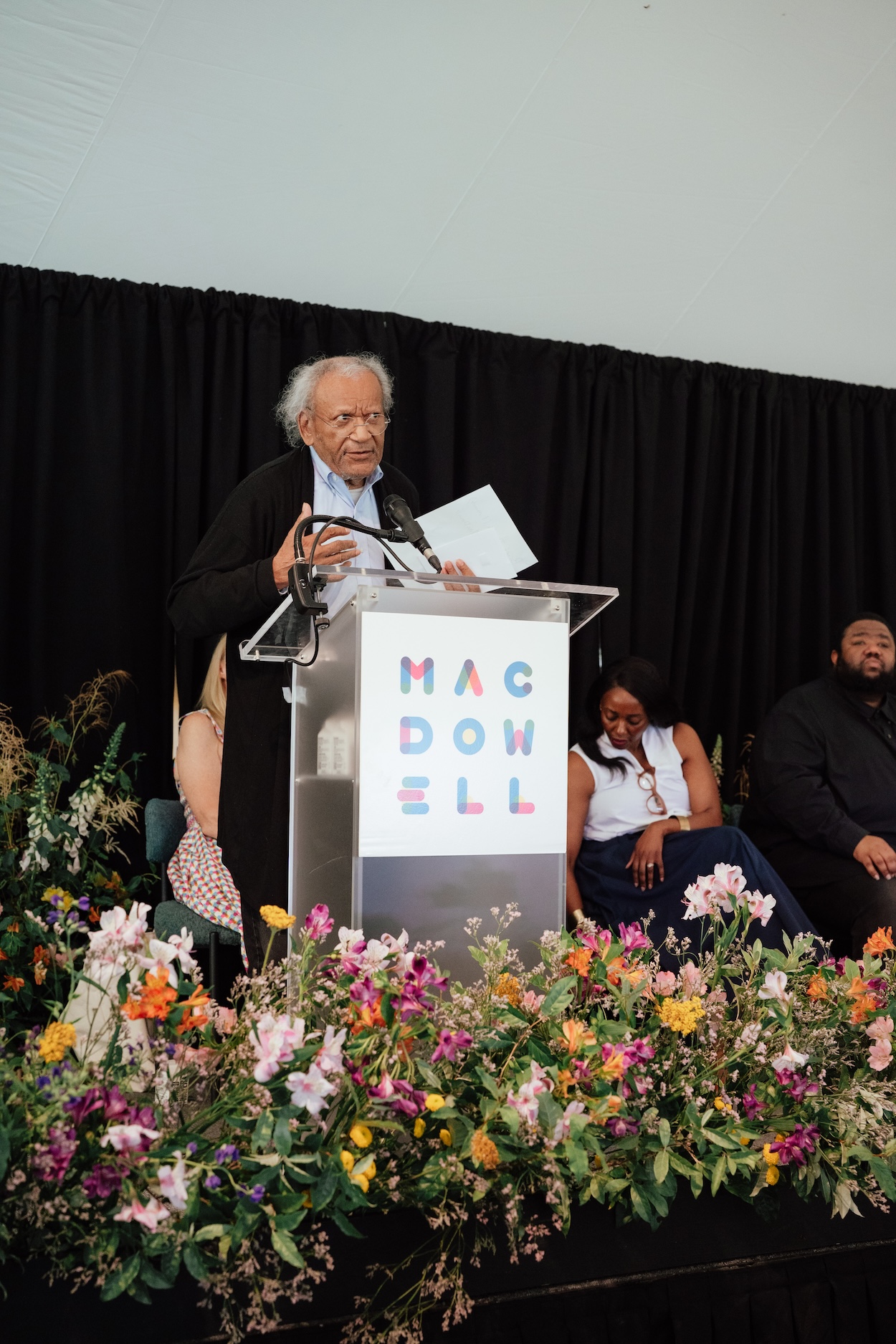
Jazz composer and multi-instrumentalist Anthony Braxton has been named recipient of the 66th Edward MacDowell Medal, one of the art world’s longest-running honors recognizing artists whose work has shaped generations of peers and public alike. Over a five-decade career, Braxton has mastered the art of pulling together improvisation, structural experimentation, and ritual in ways few composers have attempted, drawing on influences as varied as saxophonist and bandleader John Coltrane and German composer Karlheinz Stockhausen. His output spans solo performances in the late 1960s, a landmark quartet in the ’80s, and the day-long Sonic Genome Project.
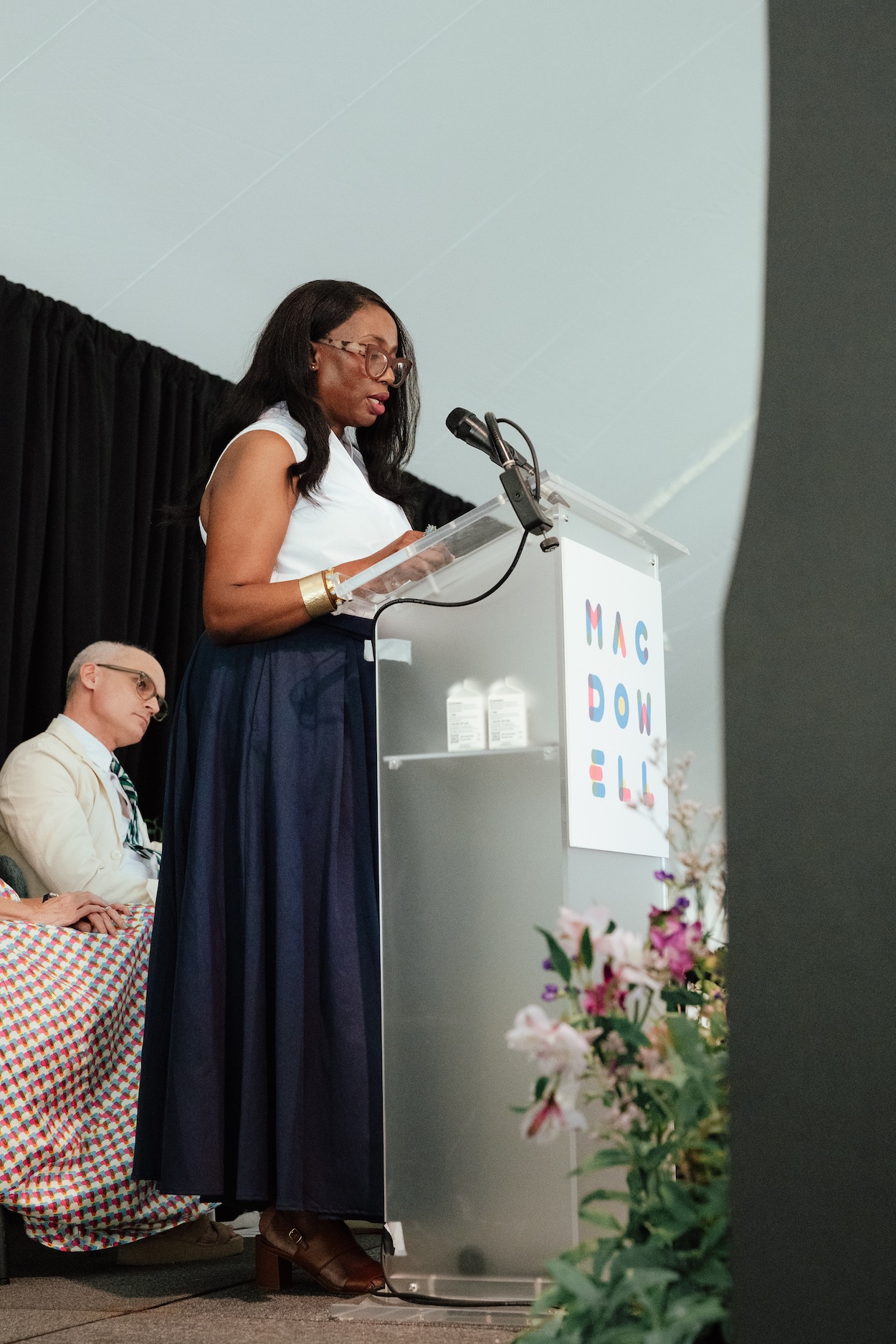
Tyshawn Sorey chaired this year’s selection committee, where he was joined by fellow composers Du Yun, Marcos Balter, Miya Masaoka, and Fay Victor, along with New Yorker critic Alex Ross. MacDowell’s Executive Director, Chiwoniso Kaitano, said the honor reflects Braxton’s role in pushing contemporary music’s boundaries and shaping the composers who followed him. We spoke with Kaitano on Braxton’s legacy, and what it means to lead an institution of such grandeur.
Courtesy of MacDowell. …
What made Anthony Braxton feel particularly resonant as a MacDowell Medal recipient?
His career and practice reflect so much of what MacDowell values. He’s spent a lifetime moving fluidly between composition, performance, improvisation, and scholarship, always pushing the possibilities of his art. We were drawn not only to the brilliance of his work, but to his spirit of curiosity and openness. In his own words, he says he is forever a student, always learning and seeking to learn. His example reminds us that innovation often happens when artists are willing to cross boundaries and imagine new ways of working, and that’s very much at the heart of MacDowell’s mission.
How does MacDowell think about artistic legacy when selecting a Medalist?
Our process seeks to recognize an artist whose work has already demonstrated lasting impact, not simply current popularity. In rare cases, a single acclaimed project that is particularly monumental is deemed worthy. Our view of artistic legacy centers on enduring cultural significance, sustained excellence, and influence across generations.
Courtesy of MacDowell. …
One of MacDowell’s defining qualities is the way it brings together writers, composers, filmmakers, architects, visual artists, and others in a shared environment. Why is that interdisciplinary exchange so important?
Because artists don’t create in a vacuum! The very exchange of ideas is fundamental to creativity and growth and exploration. That interdisciplinary melange is so critical to what has made us successful as an organization and our Fellow artists successful as practitioners.
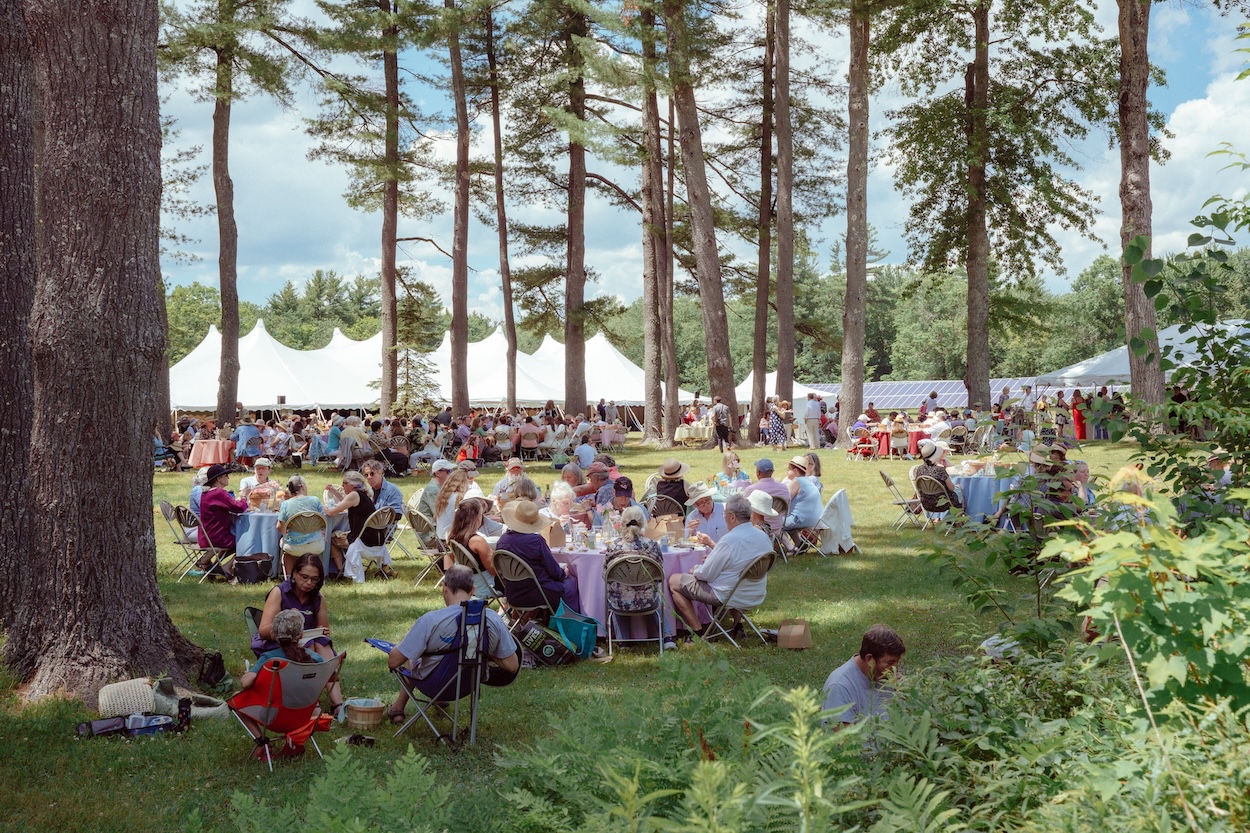
Medal Day is an annual opportunity for the public to freely explore the campus and artist studios. Why is it important to open this typically private creative environment to a wider audience?
The arts thrive when people feel connected to them and for us, it’s important to show that for every art piece that you interact with in the world whether it’s a movie, a book, a painting, or a play. It began somewhere. It was conceptualized and brought to life somewhere like MacDowell. A quiet place where all art begins. Medal Day builds that connection—it invites curiosity, celebrates artists, and reminds us that investing in creativity at the point of origin benefits all of us.
Courtesy of MacDowell. …
How has your background and career thus far shaped your approach to leading MacDowell?
I think every job or role I’ve had has contributed to my success in this role and deepened my understanding of it. It’s hugely meaningful that I’ve worked as a child actor, a bartender, a banker, in various software start-ups and various nonprofits and NGOs. This range really allowed me to accumulate a vast range of skills which I’ve needed to access.