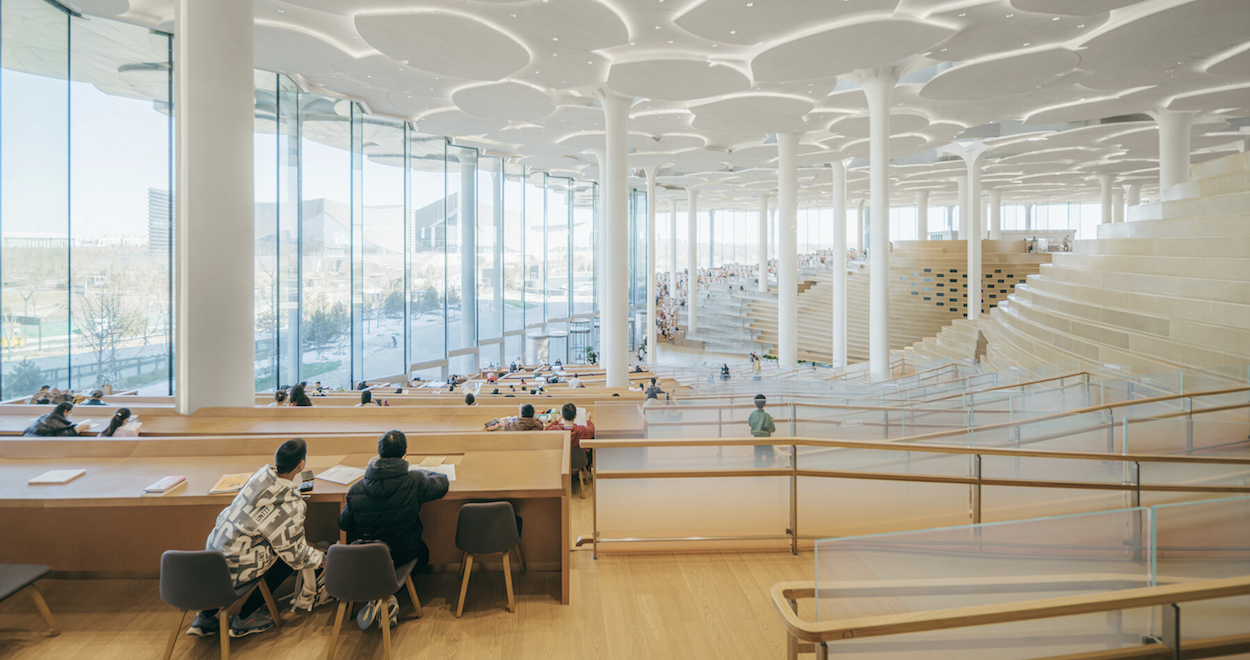
Beijing will be 2029’s UNESCO-UIA World Capital of Architecture.
Beijing has been designated the UNESCO–International Union of Architects (UIA) World Capital of Architecture for 2029, becoming the fourth city to receive the title after Rio de Janeiro, Copenhagen, and Barcelona. Selected for its combination of extensive architectural heritage, urban regeneration, and sustainable-development initiatives, Beijing will host a year-long program of exhibitions, conferences, educational initiatives, and public events under the theme “Back to Balance,” examining relationships between people, nature, technology, and the built environment. The designation coincides with Beijing hosting the 30th UIA World Congress of Architects, provisionally scheduled for June 18–21, 2029, three decades after the city last hosted the congress in 1999; the World Capital of Architecture program, established jointly by UNESCO and the UIA, designates the Congress host city every three years as a platform for international discussion around architecture and urban development.
Italian police recovered more than $10 million in paintings by Cézanne, Renoir and Matisse after a March heist.
Italian police have recovered three works by Paul Cézanne, Pierre-Auguste Renoir, and Henri Matisse that were stolen from the Fondazione Magnani Rocca near Parma during a heist on the night of March 22. The recovered works—Cézanne’s Tasse et Plat de Cerises, valued at $7 million; Renoir’s Les Poissons, valued at $3.5 million; and Matisse’s Odalisque sur la Terrasse, valued at $203,000—were taken by masked thieves who entered through a window and completed the theft in less than three minutes. The Carabinieri’s cultural heritage protection unit recovered the works during searches conducted as part of an investigation into an organized crime group, with multiple suspects detained or under investigation.
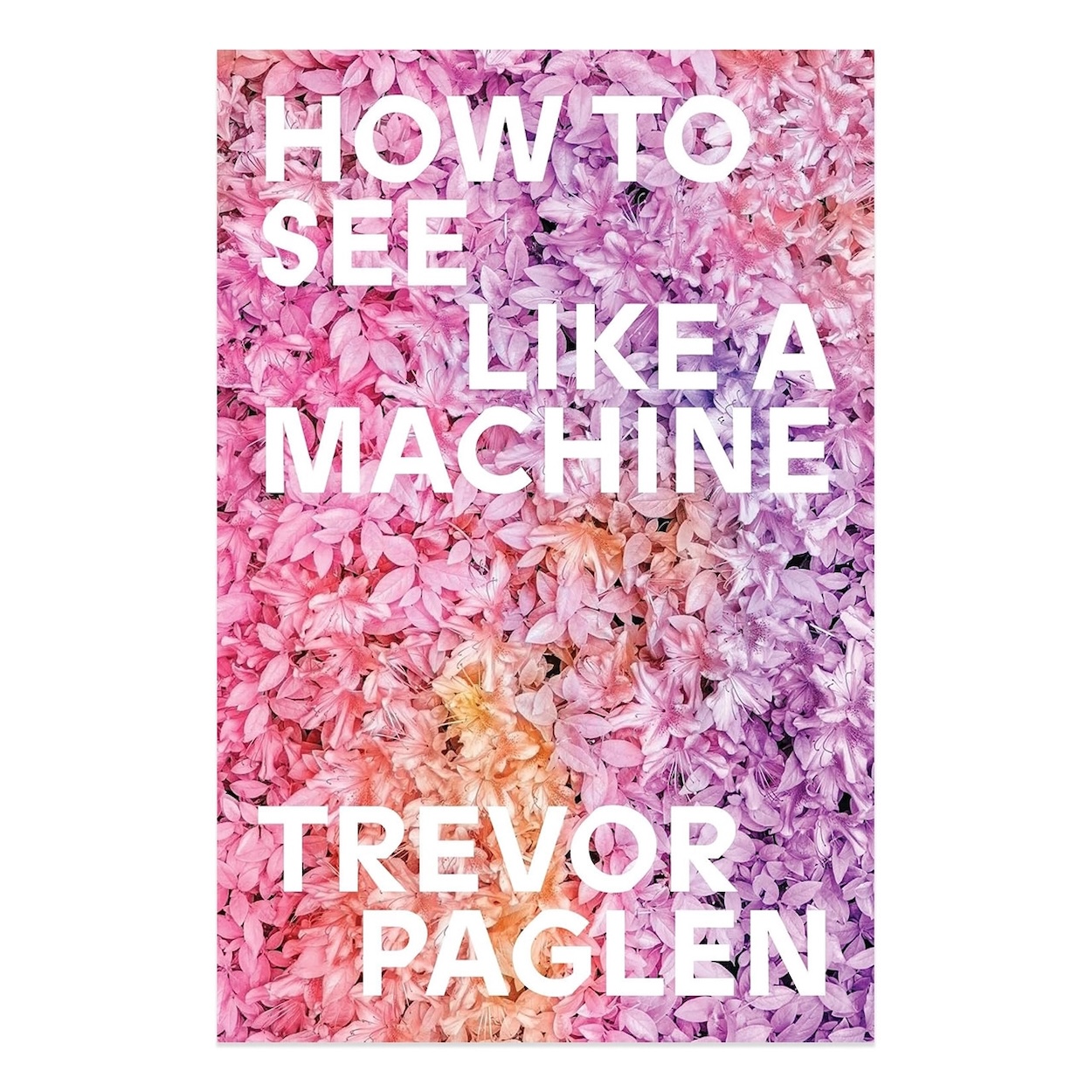
Artist Trevor Paglen’s recent book delves into technology’s hijacking of visual culture.
Artist Trevor Paglen’s new book, How to See Like a Machine: Images After AI, collects essays from the past decade examining how computer vision and generative A.I. have transformed the production, interpretation, and use of images. Published by Verso on May 19, the 192-page book argues that digital images increasingly function as operational tools rather than representations, with machine-readable imagery underpinning technologies including facial recognition, license-plate reading, surveillance, and automated analysis. Paglen examines subjects including the biases embedded in ImageNet, the history of psychological operations and research into manipulating human perception, and generative media’s disruption of the relationship between images and reality.
Abstract painter Mary Heilmann has died at 86.
Influential American abstract painter Mary Heilmann has died at 86, ending a career spanning more than five decades in which she developed an idiosyncratic approach to abstraction through vivid color, geometric forms, personal memory, and references to music, surfing, popular culture, and everyday life. Born in San Francisco in 1940 and trained in ceramics and sculpture at UC Berkeley, Heilmann moved to New York in 1968 and began painting at a moment when Minimalism and Conceptual art dominated the city, eventually establishing a practice encompassing paintings, watercolors, ceramics, prints, and her distinctive hand-painted furniture. Her work entered major collections including the Museum of Modern Art and Whitney Museum of American Art, and she was the subject of retrospectives and exhibitions at institutions including the New Museum, Whitechapel Gallery, Dia Beacon, Guild Hall, and the Whitney.
Designed by AECOM’s Erik Behrens, the Gordie Howe International Bridge is now North America’s longest cable-stayed bridge.
The Gordie Howe International Bridge, connecting Detroit, Michigan, and Windsor, Ontario, opened to traffic on July 27, becoming North America’s longest cable-stayed bridge with a 2,799-foot main span. Designed by AECOM chief bridge architect Erik Behrens, the CA$6.4 billion crossing extends 2.5 kilometers, with six traffic lanes, 721-feet-tall A-shaped towers inspired by the curvature of a hockey stick, 216 white stay cables, and a toll-free pedestrian and cycling path; it directly connects Interstate 75 with Ontario’s Highway 401. Canadian artist Douglas Coupland designed Shimmer, a programmable installation incorporating nearly 5,000 white lights, while public artworks by Indigenous artists from Walpole Island and Caldwell First Nation appear on the Canadian tower, work by Roberto Villalobos appears on the American side, and a three-meter sculpture by Anishinaabe artist Michael Belmore marks the Canadian arrival.
Attractive Distractions:
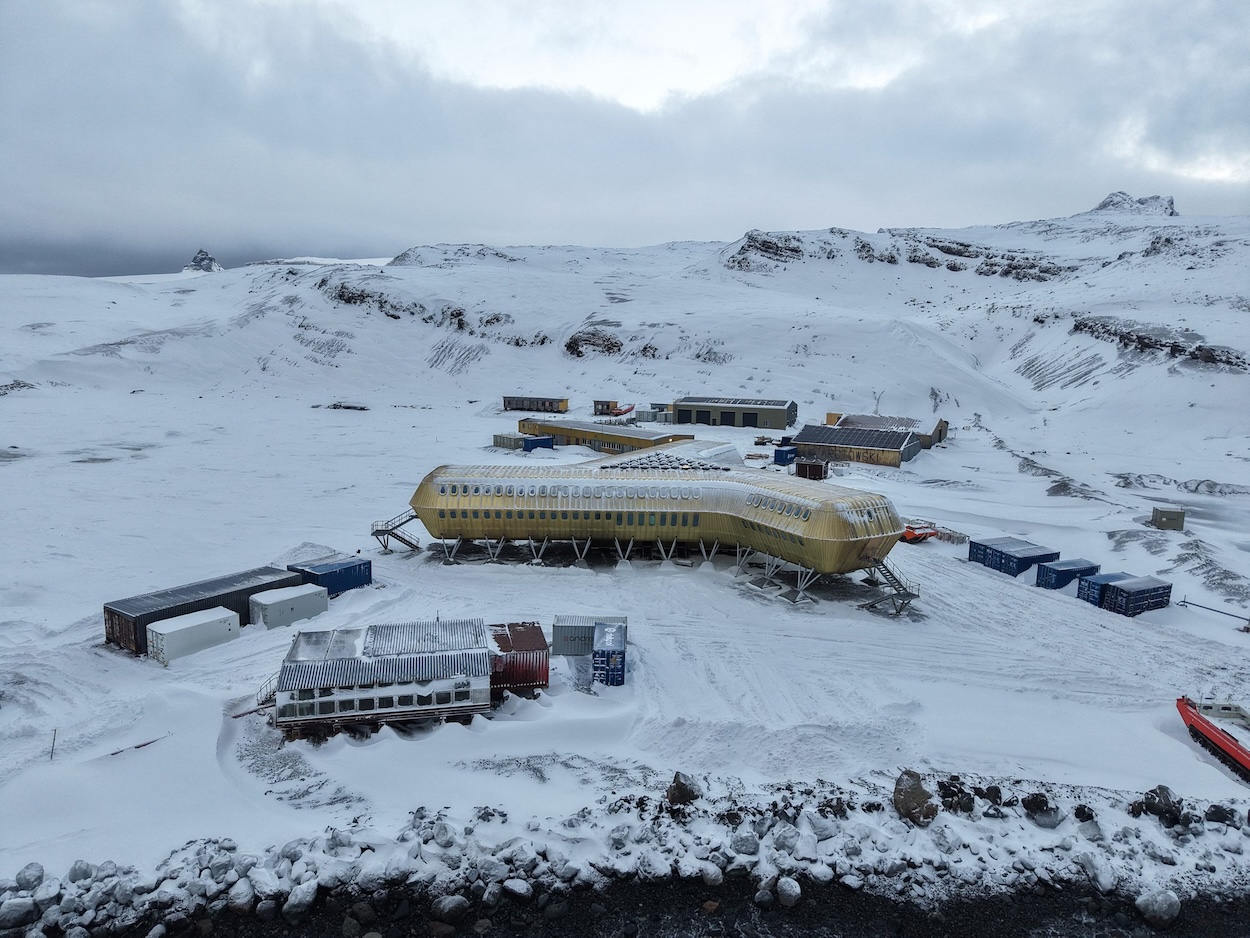
Architecture studio Kuryłowicz + Architects has revealed photos of its near-complete Polish research station in Antarctica.
West End actors board Belmond’s British Pullman for the sake of fashion.
Gucci and Waldorf Astoria have partnered with Padel Australia for an invitational on a custom-built glass court at the Sydney Opera House.
IWC honors Mercedes-Benz’s 140th year with a limited-edition Big Pilot’s Watch Perpetual Calendar.