The Zetter Bloomsbury Emulates a Well-Traveled Friend’s Home
Designer James Thurstan Waterworth filled six Georgian townhouses with antiques, artifacts, and modern British art. The front desk didn't make the cut.
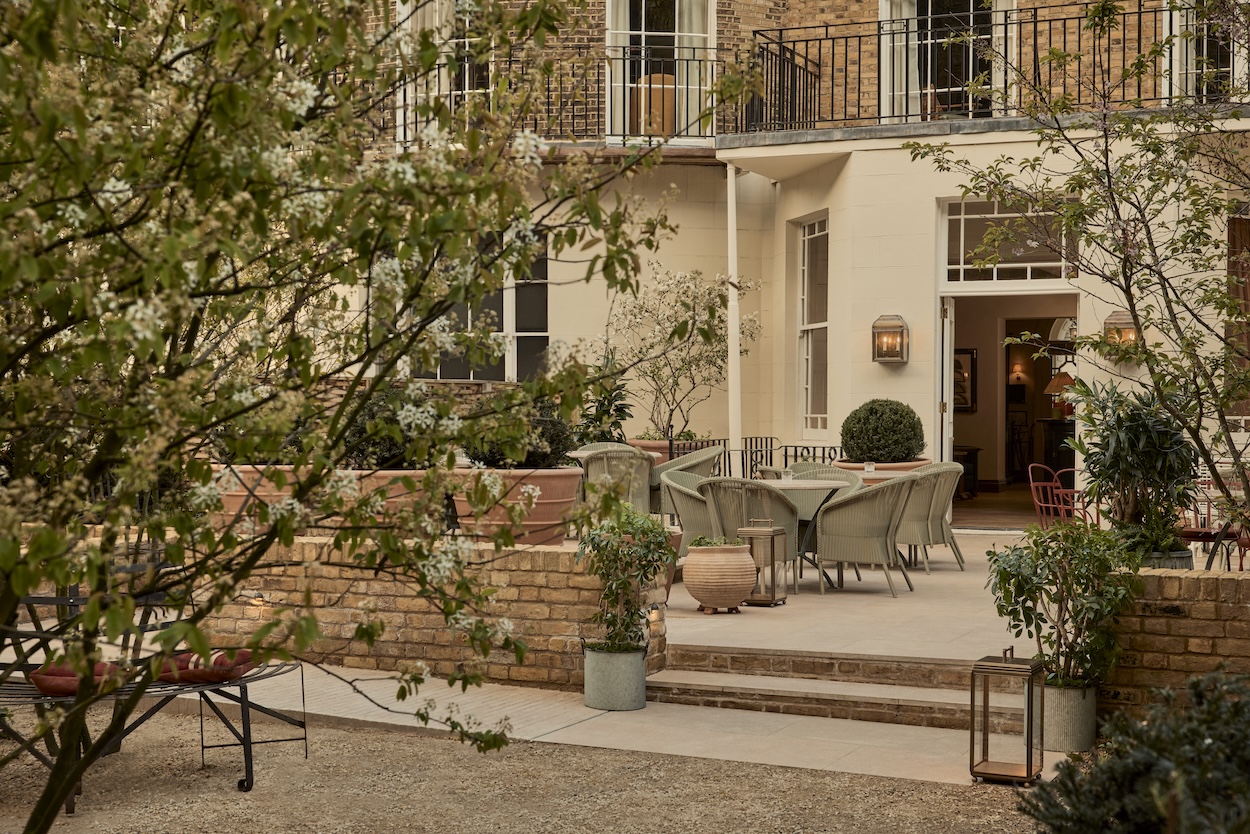
Snowy juneberry trees frame a terrace dotted with terracotta-potted yews. Guests perched on sage wicker chairs sip elderflower-absinthe cocktails and English sparkling wine. From the sun-soaked patio of the Zetter Bloomsbury, you could forget you’re in the city at all.
The newest property from the boutique hotel group and its third outpost in London, the 68-room house marks a shift in the Zetter aesthetic philosophy—call it Zetter 2.0. The warmth and eclecticism of the Marylebone and Clerkenwell properties remain, but in the mix is a sense of lived-in personality.
Designer James Thurstan Waterworth didn’t have to go far: the Zetter Bloomsbury backs onto the British Museum, and the team plumbed its archives for inspiration. “We wanted to reflect the area’s enduring spirit of curiosity, culture, and discovery,” says Waterworth.
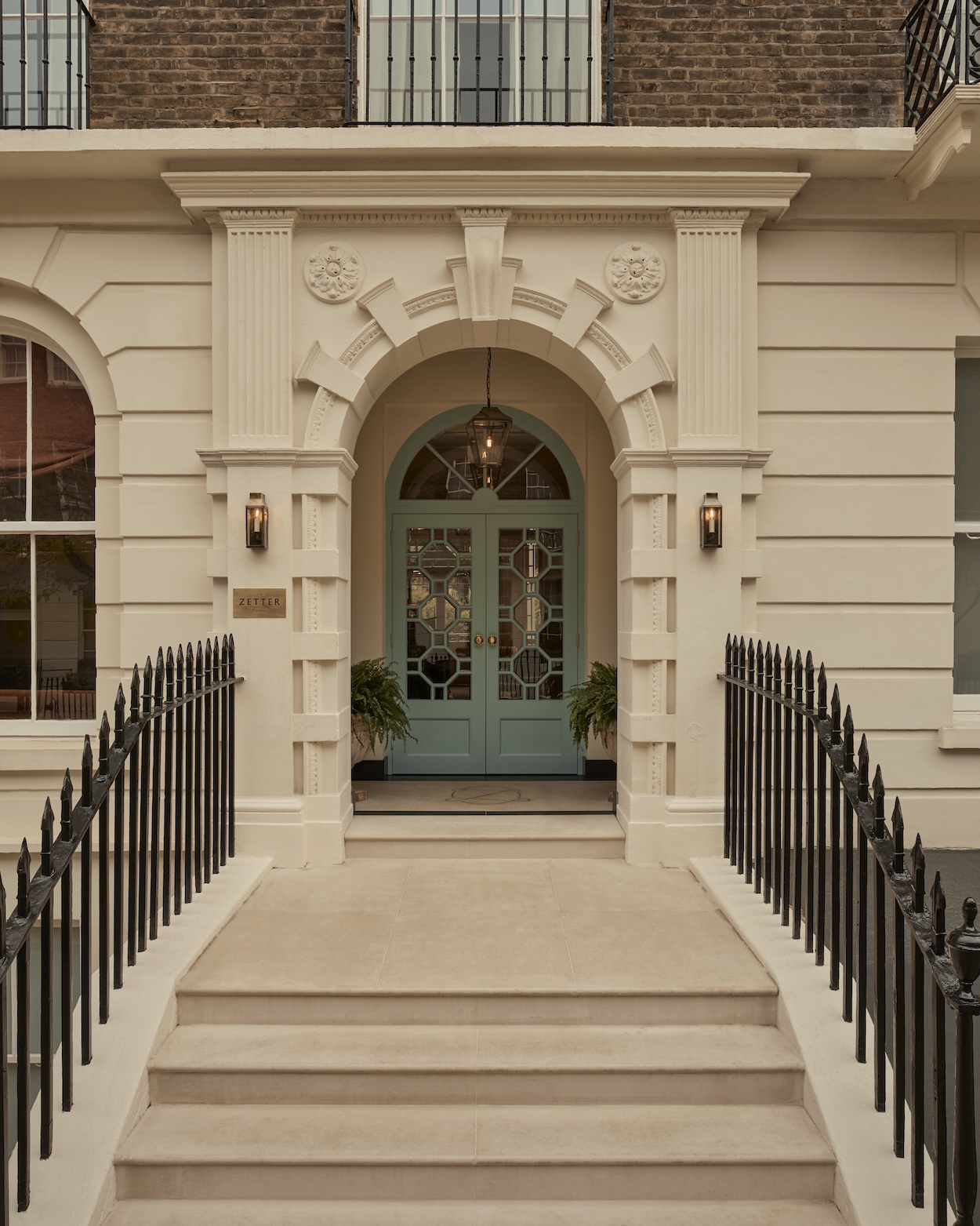
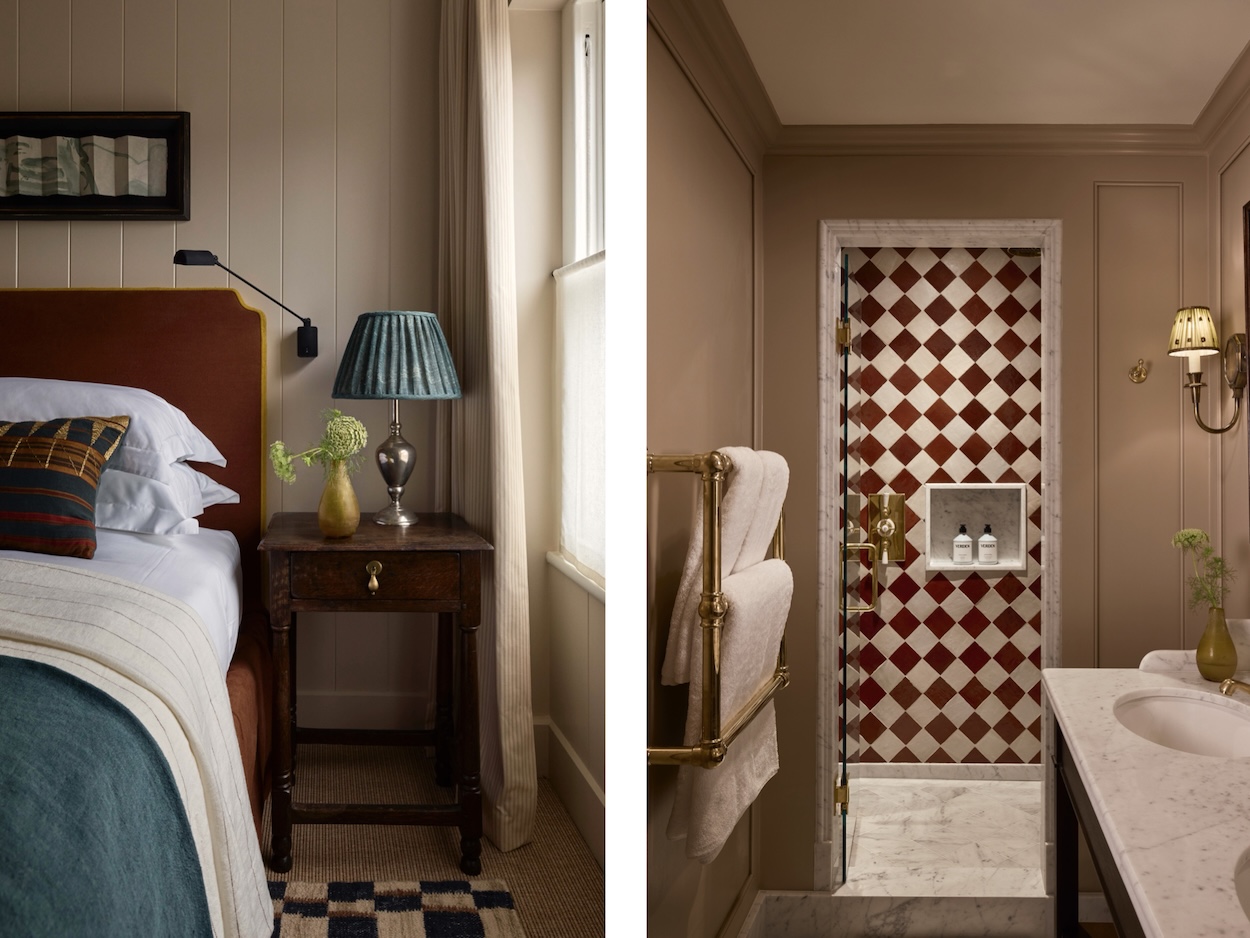
Spanning six Georgian townhouses on a quiet stretch of Montague Street, the hotel lets the original architecture dictate the terms. The palette pulls from paint swatches authentic to the era, pale pink and slate blue against ochre and olive green. Modern arrivals—Hypnos mattresses, Verden bath products—politely decline period-accuracy.
Bespoke Vanderhurd rugs derive their patterns from antique textile fragments. More than 500 cushions were made from antique French linens, Turkish rugs, and South American fabrics, with no two rooms getting the same mix.
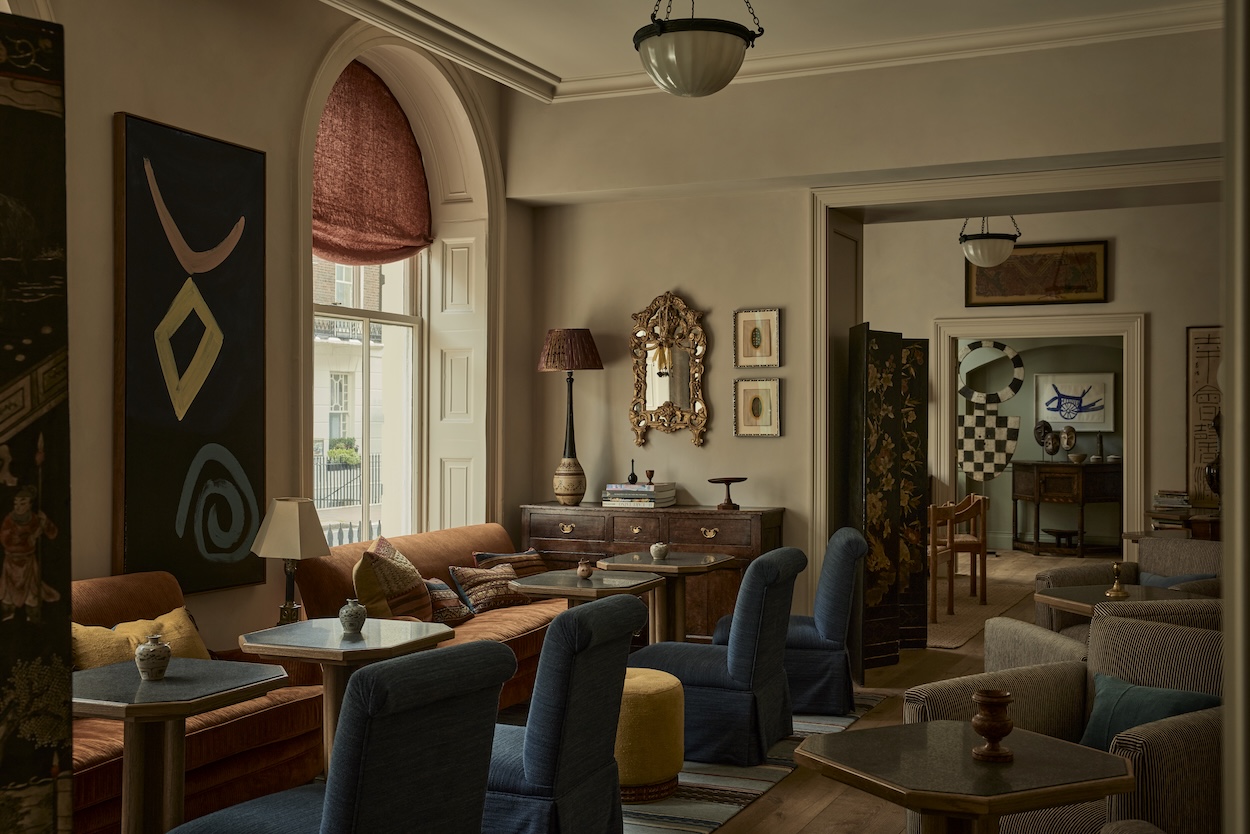
“From the outset, the aim was to create the feeling of an evolved, lived-in home belonging to a well-travelled friend,” Waterworth tells Surface. “Someone who has filled their home with treasures and stories from around the world, but who also deeply appreciates the Georgian bones of the building.”
Four years of auctions, dealers, and a stacked travel itinerary formed the basis of this “friend’s” collection. Everything from a thoughtfully restored Knoll sofa to 2,000-year-old Egyptian artifacts, African masks to 20th-century British paintings from artists like Sandra Blow and Roger Hilton. “If something slightly moved me, I’d just be like ‘fuck it, go for it,’” says Waterworth.
Upon arrival, guests find that there’s nowhere to arrive. The question of a traditional reception desk surfaced during the design process, but was quickly dismissed. “We decided that it really detracted from the overall look and feel that we wanted to create,” says Kevin Rockey, the Zetter’s managing director of operations. “It’s far more relaxed, and we find that guests really love it.”
Instead, plop down on a terracotta couch in the Parlour, where someone pulls up a stool and checks you in over a drink.