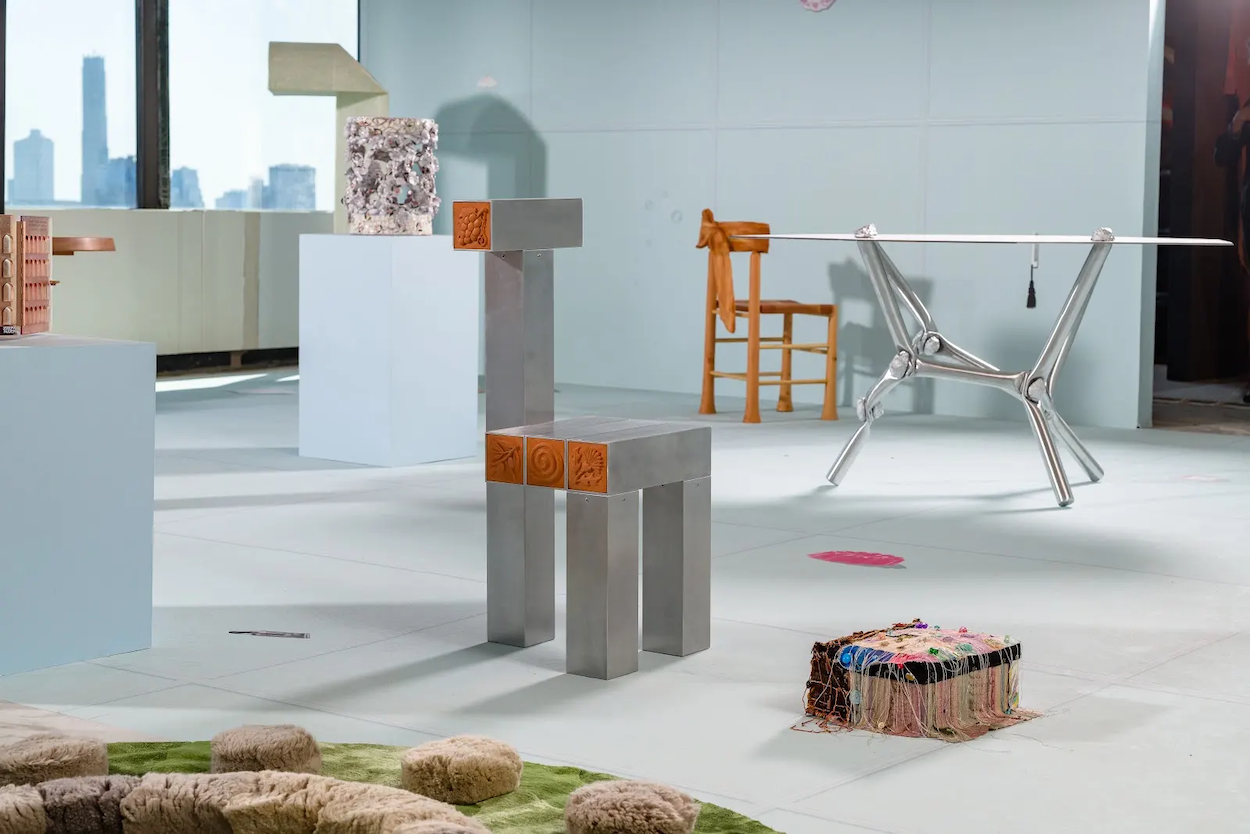
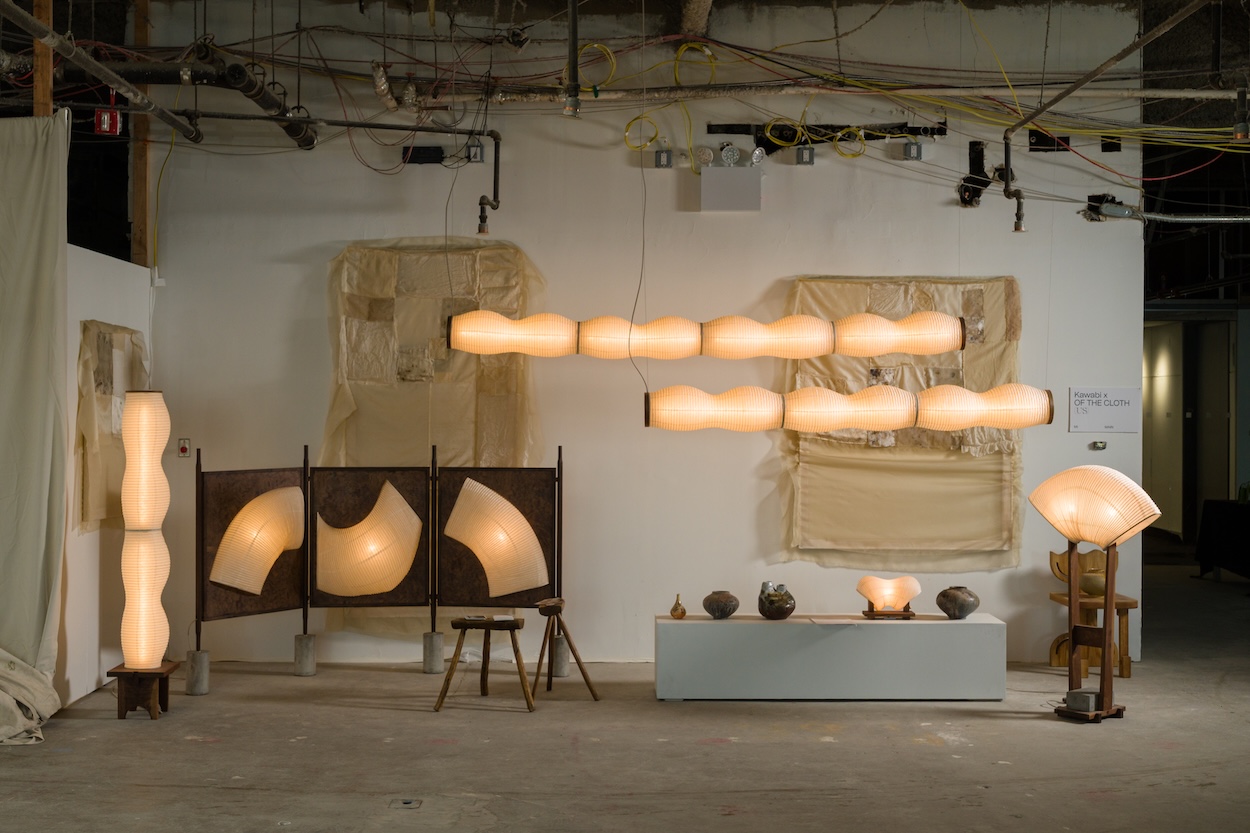
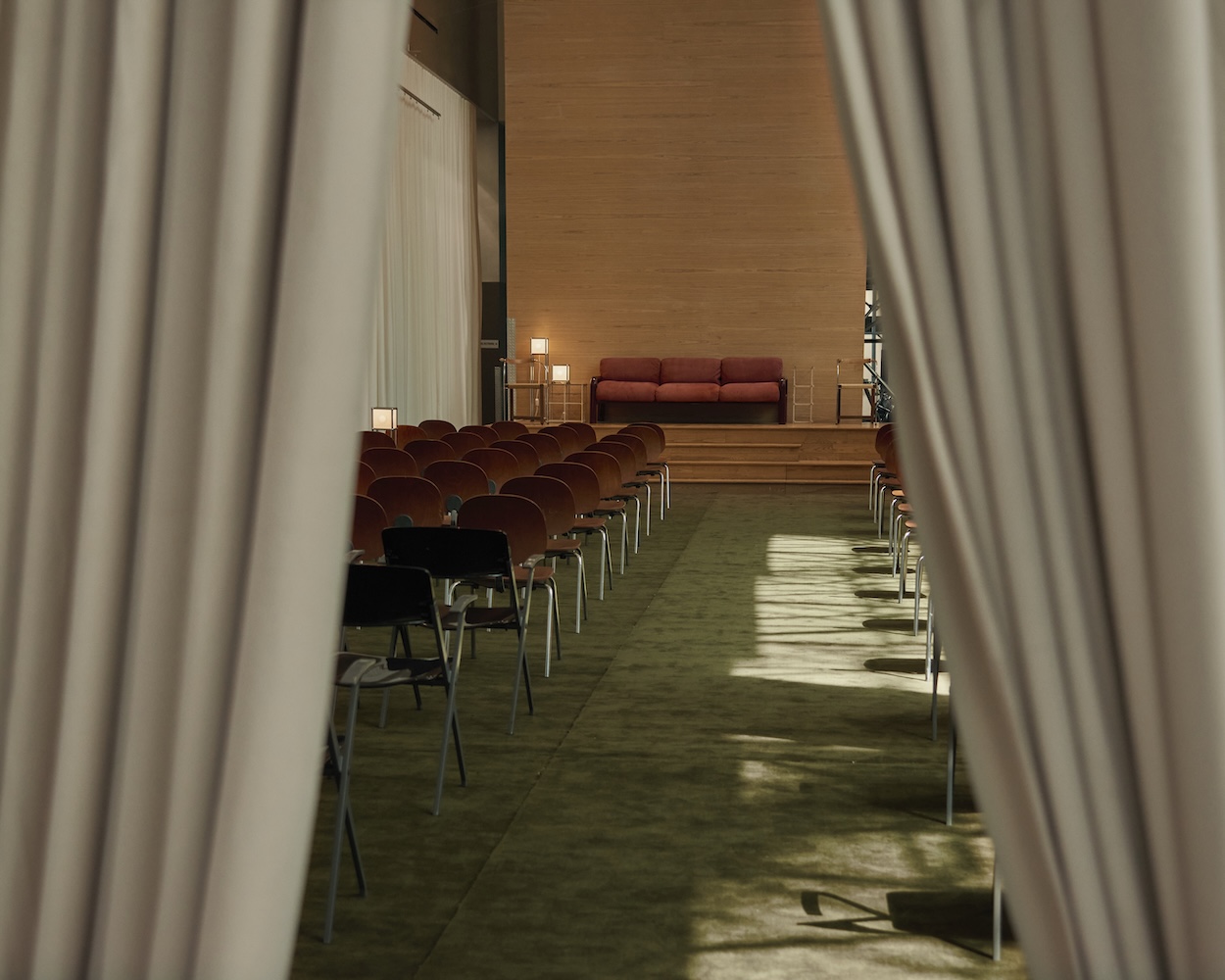
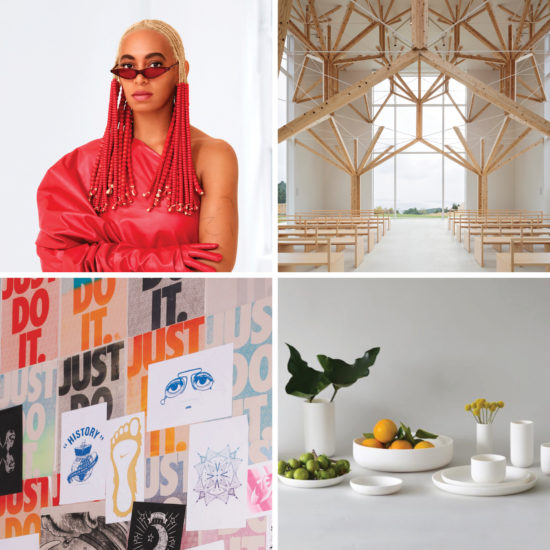
Highlights of Collectible 2024. Courtesy of Collectible. …
Ahead of Collectible’s third New York edition next week, and following 10 European editions, what has surprised co-founder Liv Vaisberg most is the sense of community. “Even in New York, where I don’t live and where I am only present a few times a year, people come to us to say thank you for creating this platform,” she says. “It shows that there was a real need for it, and that Collectible has become more.”
The fair showcases the best in contemporary collectible design, and Vaisberg continues to push the boundaries of what that means. Established and emerging galleries share an integrated space with independent studios and makers. Curators, institutions, and foundations are also part of the project.
With that momentum, Vaisberg knew it was time to move the fair somewhere art and culture take center stage, and where indoors and outdoors feel connected. The Upper East Side was the natural choice. “The location is quite extraordinary,” she says. “We are within walking distance of The Met, Cooper Hewitt, the Guggenheim, the galleries on Madison Avenue, and very close to Salon Art + Design.” Ahead of opening day on November 6, Vaisberg talks about what she’s most excited for this year, why the new venue matters, and her favorite spots in the neighborhood.
Highlights of Collectible 2024. Photo by Simon Leung, courtesy of Collectible. …
Tell us how Collectible started and what the initial vision was.
When I met Clélie, my business partner, we were both working in the art world, but we kept encountering contemporary designers of all ages and noticed that something was missing in the contemporary design world. There were art fairs, design fairs focusing on brands, and fairs dedicated to vintage design, but very few platforms for contemporary designers producing unique pieces and limited editions. We wanted to create a fair that would bring this work to art collectors, share our enthusiasm for design, and encourage people to collect pieces by living designers. From the beginning, it was also about supporting designers, giving them visibility, connecting them with collectors, and creating opportunities for their work to develop.
Now on its third edition, how has the fair evolved?
The fair has grown a lot, but the initial idea remains the same. What has changed is the audience and the community around it. We started by speaking primarily to art and design collectors, and today we reach a much broader public. We also see how design increasingly connects with other creative disciplines, particularly fashion, which has become an important part of the fair. One thing I find particularly interesting is the sense of community that has developed.
Highlights of Collectible 2024. Photo by Claudia Shaldervan, courtesy of Collectible. …
The fair is moving to the Upper East Side for the first time. Why was that important, and how will it change the overall experience of the program?
We are very happy to move to the Upper East Side, but it was important for us to find a space that still felt like Collectible. We didn’t want a conventional exhibition venue, and when we discovered this former cinema, we immediately saw the potential. The location is quite extraordinary. East 86th Street has its own character, and the building itself is quite unexpected, with these enormous volumes and high ceilings. I think it will allow us to reach a different audience while keeping the identity of the fair.
What is something unexpected that you hope guests will take away from visiting?
I think people might be surprised by the contrast between the location and what they discover inside. The Upper East Side is often associated with a more classical idea of art and collecting, while Collectible presents some of the most experimental and forward-thinking work being produced today. I like the idea of bringing these different worlds together, and of transforming a former cinema into a place where people encounter things they haven’t seen before. Hopefully visitors will discover designers they didn’t know, and perhaps reconsider what contemporary design can be.
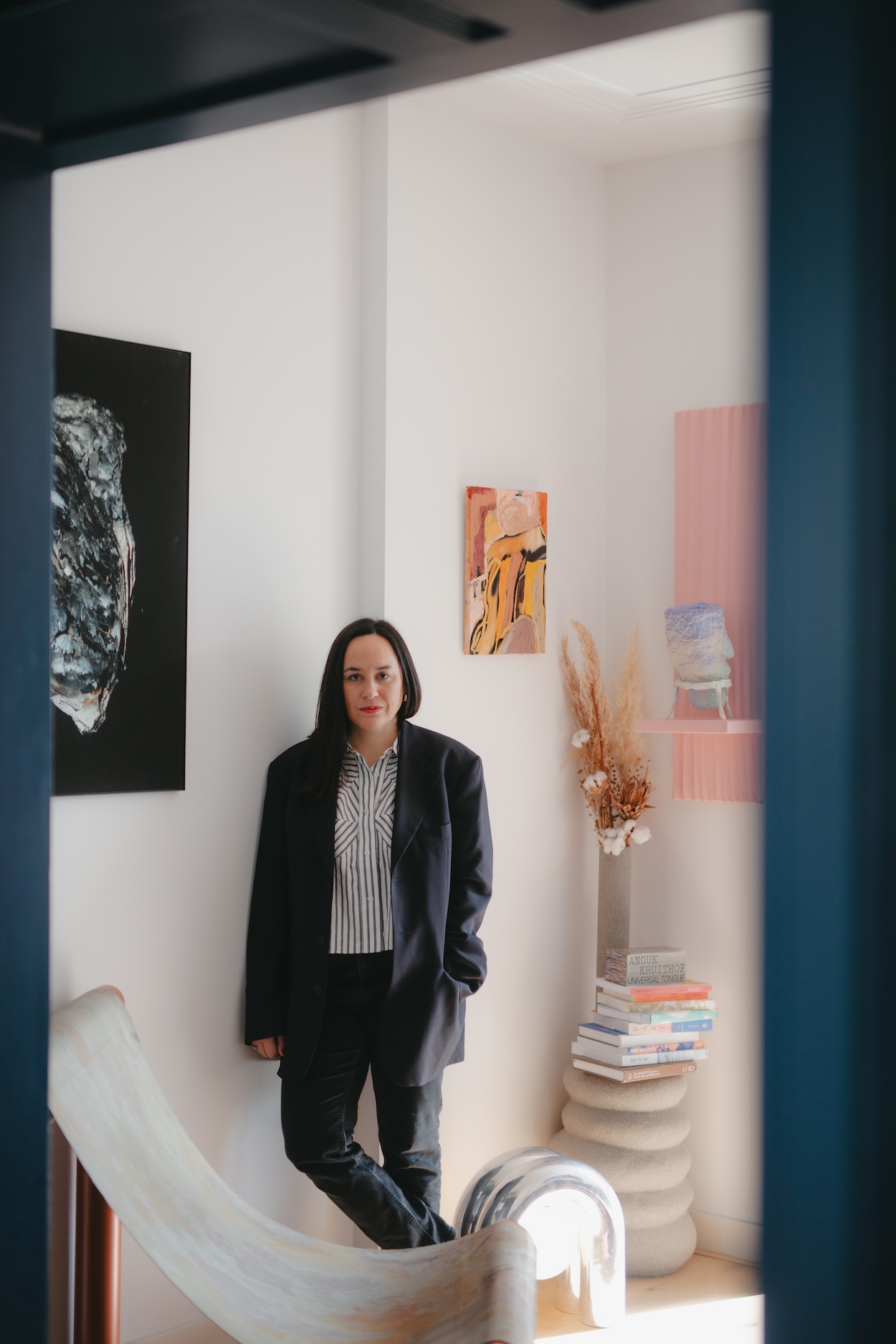
Portrait of Liv Vaisnerg. Photo by Jesse Willems.…
What are your go-to spots in the neighborhood, and where would you recommend visitors stop?
I find it interesting that the Upper East Side has these very different identities. Of course, there are the museums, the galleries on Madison Avenue and places like Café Sabarsky, which I love. I would also recommend the Neue Galerie, Cooper Hewitt, and a walk through Central Park. For a proper meal, I like the classics: Sant Ambroeus, Elio’s, and Le Veau d’Or, or a drink at the Lowell Hotel.
But I am also interested in discovering the less obvious side of the neighborhood, particularly around Yorkville, with its old bars and local institutions. A few places on my list are Brandy’s Piano Bar, The Auction House, and Heidelberg Restaurant, and Dorrian’s Red Hand and Brady’s are good dives. The Book Cellar, tucked underneath the Yorkville library, is a wonderful, little-known spot for used books. And for something simple, a burger at J.G. Melon. I tend to prefer places that have kept their character rather than trying too hard to be fashionable, and I think there is quite a lot of that on the Upper East Side once you move away from the more obvious addresses.