The Armory Show 2026 to run September 24–27 with nearly 230 galleries.
The Armory Show has shifted its 2026 dates to September 24–27, moving a few weeks later than its usual post-Labor Day slot. The change eases a scheduling clash with Frieze Seoul, which Frieze has owned alongside the Armory Show since 2023 and which will keep its early-September dates. The fair will host roughly 230 galleries, in line with 2025 figures, with a reworked floor plan separating Americas and Caribbean dealers from a U.S.-focused section anchored by New York galleries. Participants include Victoria Miu, Perrotin, Sean Kelly, 303 Gallery, and the newly renamed Norr Cohan. Beyond the main galleries section, curators Jovanna Venegas and María Elena Ortiz will lead Platform and Focus, both centered on Caribbean artists and technology-driven work, featuring artists like Bony Ramirez, Hew Locke, and Renée Cox. The fair’s Presents and Solo sections have also grown, now totaling 55 and 25 galleries respectively, with first-time exhibitors including Catinca Tabacaru and Lobster Club. Nonprofit spaces, including El Museo del Barrio, will also participate, with El Museo receiving this year’s Armory Spotlight booth.
Venice museums face labor dispute as workers report extreme indoor heat.
The Unione Sindacale di Base (USB), a major Italian trade union, has announced a formal labor dispute over dangerous heat conditions facing museum workers in Venice, with strike action now a possibility. The union says perceived temperatures have reached 40°C (104°F), while indoor temperatures at some museums have stayed near 30°C (86°F) for weeks, affecting staff at the National Archaeological Museums of Venice and the Lagoon and the Veneto Regional Directorate of National Museums. USB claims management failed to provide water, heatstroke training, or maintenance on windows and fan coils, calling the conditions a threat to worker safety and “the very protection of the artistic heritage on display.” Museum officials say the issues are being addressed through inspections and expanded access to air-conditioned spaces.
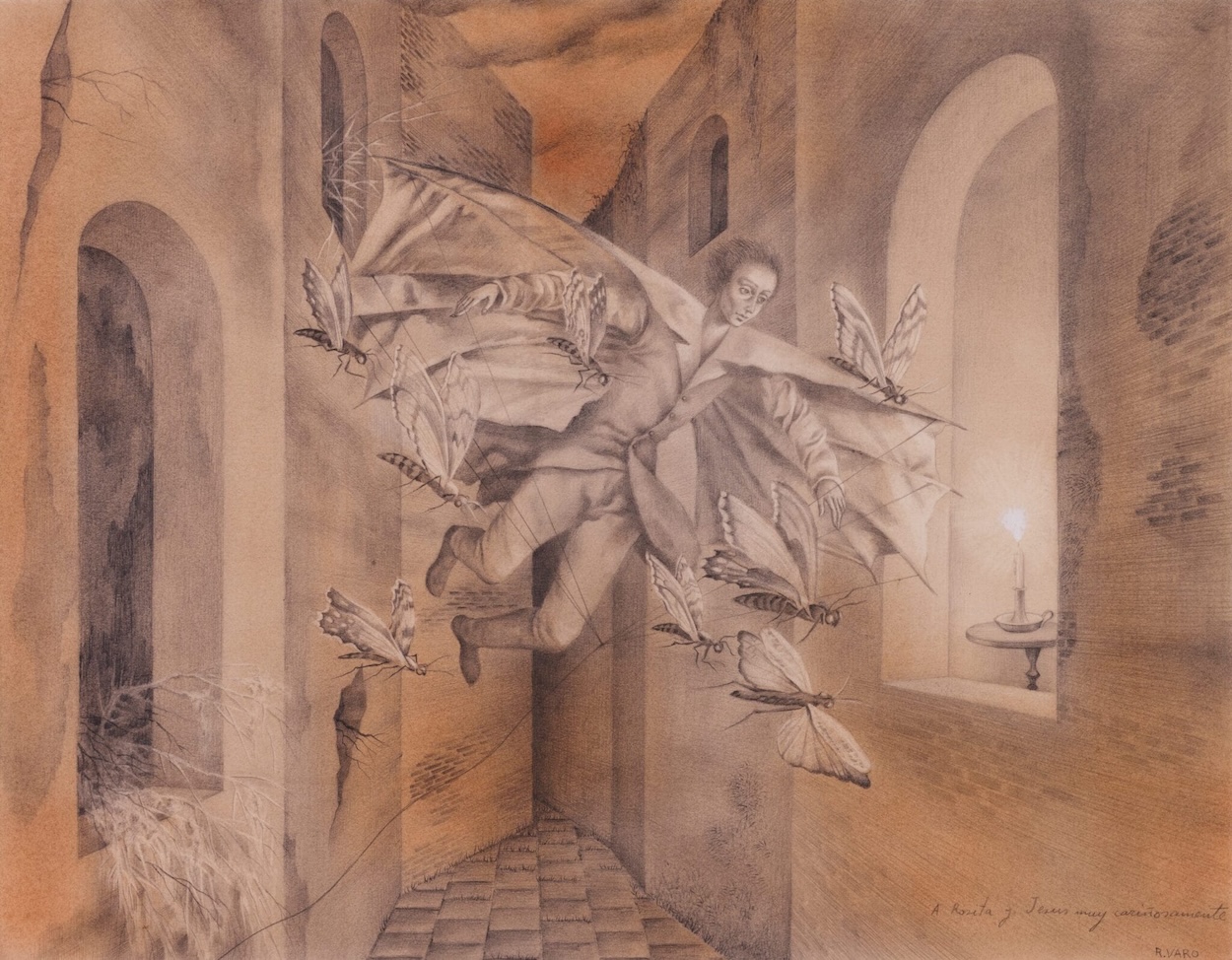
Gallery Wendi Norris opens the group show “Architects of Absence” in San Francisco.
“Architects of Absence,” a group exhibition at Gallery Wendi Norris in San Francisco, explores the contradiction at the heart of Jean-Paul Sartre’s writing on presence and absence, the idea that noticing what’s missing is itself a form of awareness. The show brings together Dabin Ahn, Selva Aparicio, Remedios Varo, Marcel Jean, and Yaxkin Fuentes-Barrientos, whose work spans architectural graphite drawings, oil paintings, and sculptural media. Fuentes-Barrientos, currently artist-in-residence at Frank Lloyd Wright’s Martin House in Buffalo, carves fallen leaves into disused clay roof tiles sourced from the site. Ahn contributes dreamlike meditations on loss and time, while the full cohort’s silhouettes, cutouts, and interplay of light and shadow build a shared visual language around remembrance and visibility. The exhibition is on view through August 29.
Ontario researchers are helping Goodwill close the loop on clothing waste.
Goodwill Ontario Great Lakes takes in more than 43 million pounds of donations a year, but about a quarter of the clothing it receives can’t be resold. Rather than send that volume to landfill, the organization has turned to academic partners for solutions it doesn’t have the in-house expertise to pursue alone. Researchers at Western University and Fanshawe College are testing two methods for breaking down hard-to-recycle textiles. One uses pyrolysis, heating fabric in the absence of oxygen to produce biochar, a porous, carbon-rich material that improves soil health and nutrient retention while keeping carbon locked out of the atmosphere. The other applies enzymes to natural fibers like cotton and hemp, converting them into sugars with potential uses such as fermentation. Four years into the partnership, the initiative has diverted more than 5,000 pounds of clothing from landfills.
Antonio Girardi restyles Villa Treville, Zeffirelli’s storied Positano hotel.
Villa Treville, the storied Positano residence once owned by filmmaker Franco Zeffirelli, has undergone a refresh by Neapolitan architect Antonio Girardi. Originally an 18th-century retreat belonging to the Duchess of Villarosa, the property was later transformed by Zeffirelli into a home reflecting his cinematic sensibility, hosting guests like Elizabeth Taylor and Michael Jackson before becoming a hotel in 2009. Girardi’s update focused on the villa’s outdoor spaces, including the Maestro restaurant and beach area. He added a custom textile canopy, reworked the greenery with Mediterranean plantings, and leaned into a blue-heavy coastal palette across furnishings and umbrellas, all while preserving Zeffirelli’s original design language.
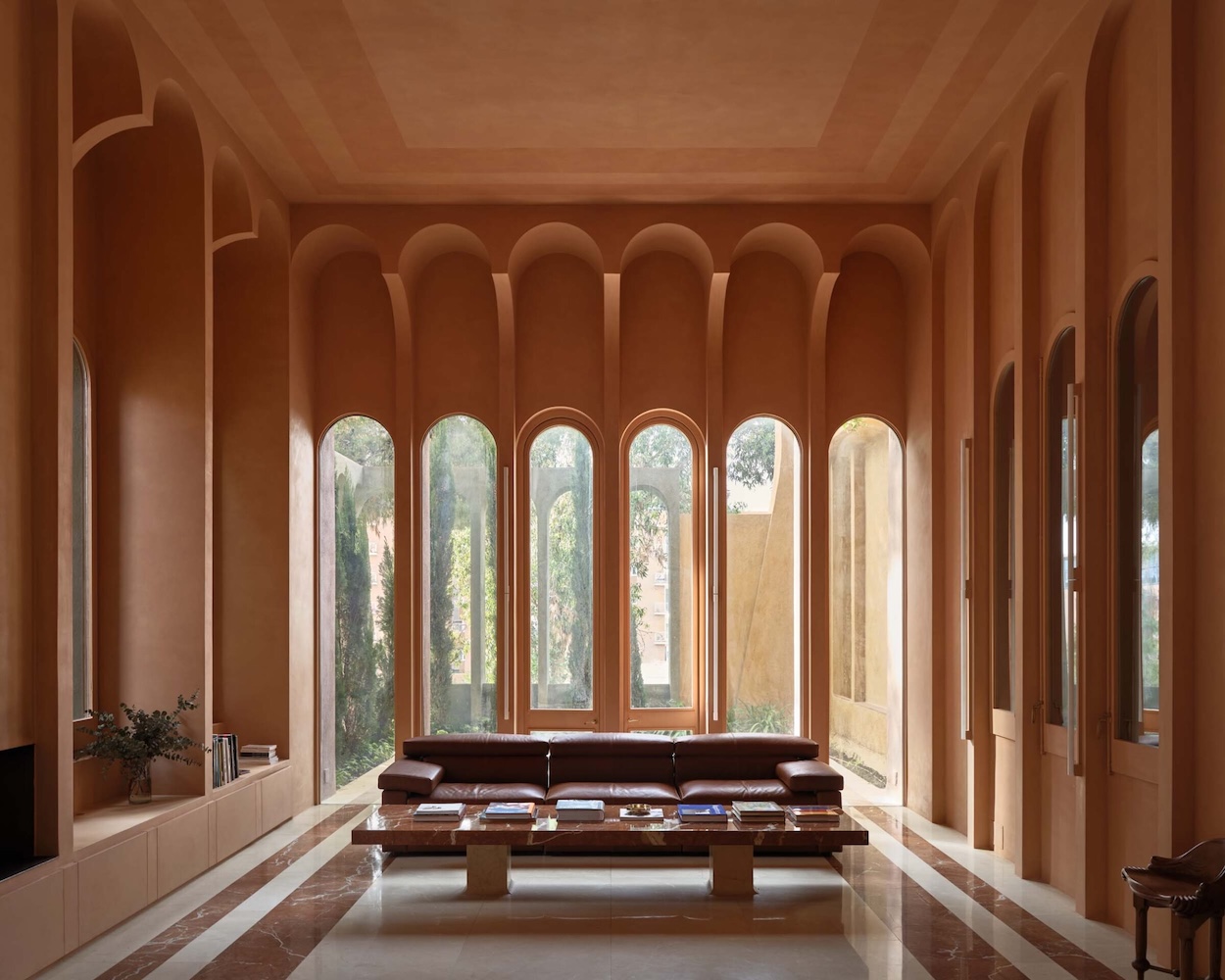
Inside Taller Bofill’s Barcelona studio on a spring afternoon.
How LA’s art deco Central Library became a beloved civic space.
The Great Vine Winery imagines a building that grows like grapevines.
Louis Vuitton expands La Beauté with lip pencils and a sculptural sharpener.