Haunting large-scale painted works by Franco-Mexican artist Hugo Toro presently dress the walls of the third floor gallery space in Perrotin New York. Between them, a circular installation of ceramic pieces in rusty hues, enveloping two antique chairs, spirals outward. All of the works feel recently uncovered—the installation composed of shards of memory, the paintings excavated from frescoes in his mind. Toro, thus far best known for his architecture and interiors work—including the design of Rome’s Orient Express La Minerva and the vibrant renovation of the Villa Albertine studio in New York City—firmly displays the depths of his artistry here.
Lauded Architect, Designer, and Artist Hugo Toro Makes His Perrotin New York Debut
In “Ojo de Agua," abstract paintings and a conceptual installation conjure a place both real and imagined
David Graver June 11, 2026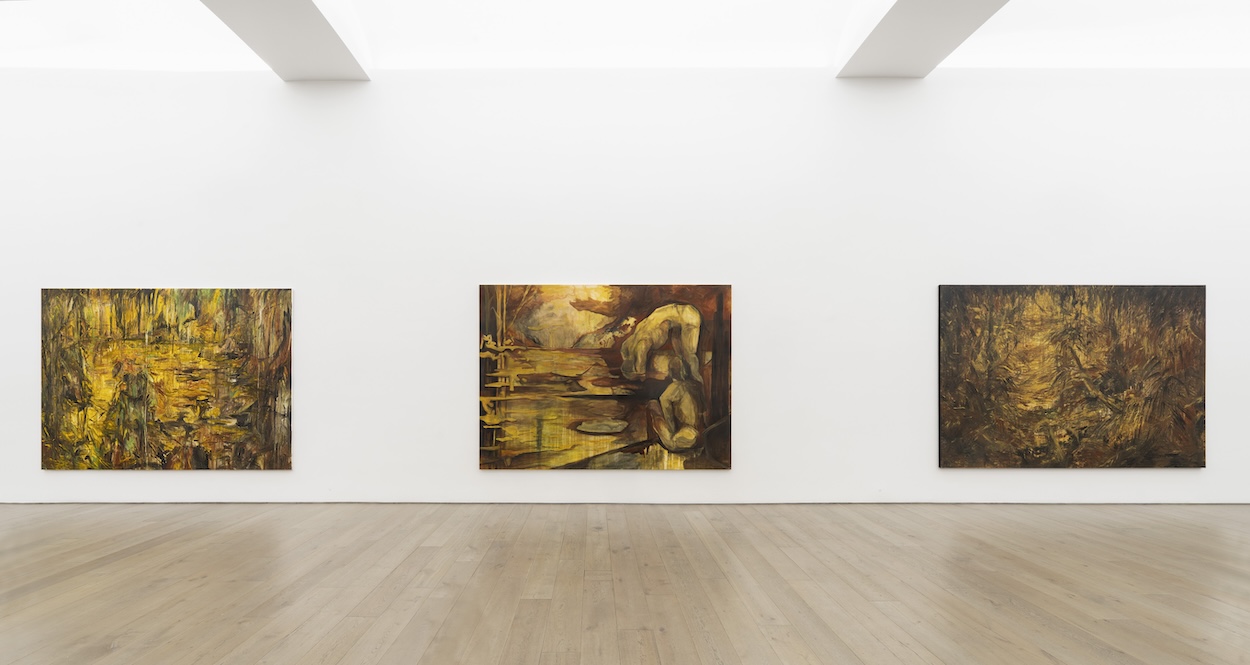
Installation views of Hugo Toro's 'Ojo de Agua' at Perrotin New York, 2026. Photographer: Guillaume Ziccarelli Courtesy of the artist and Perrotin.
…
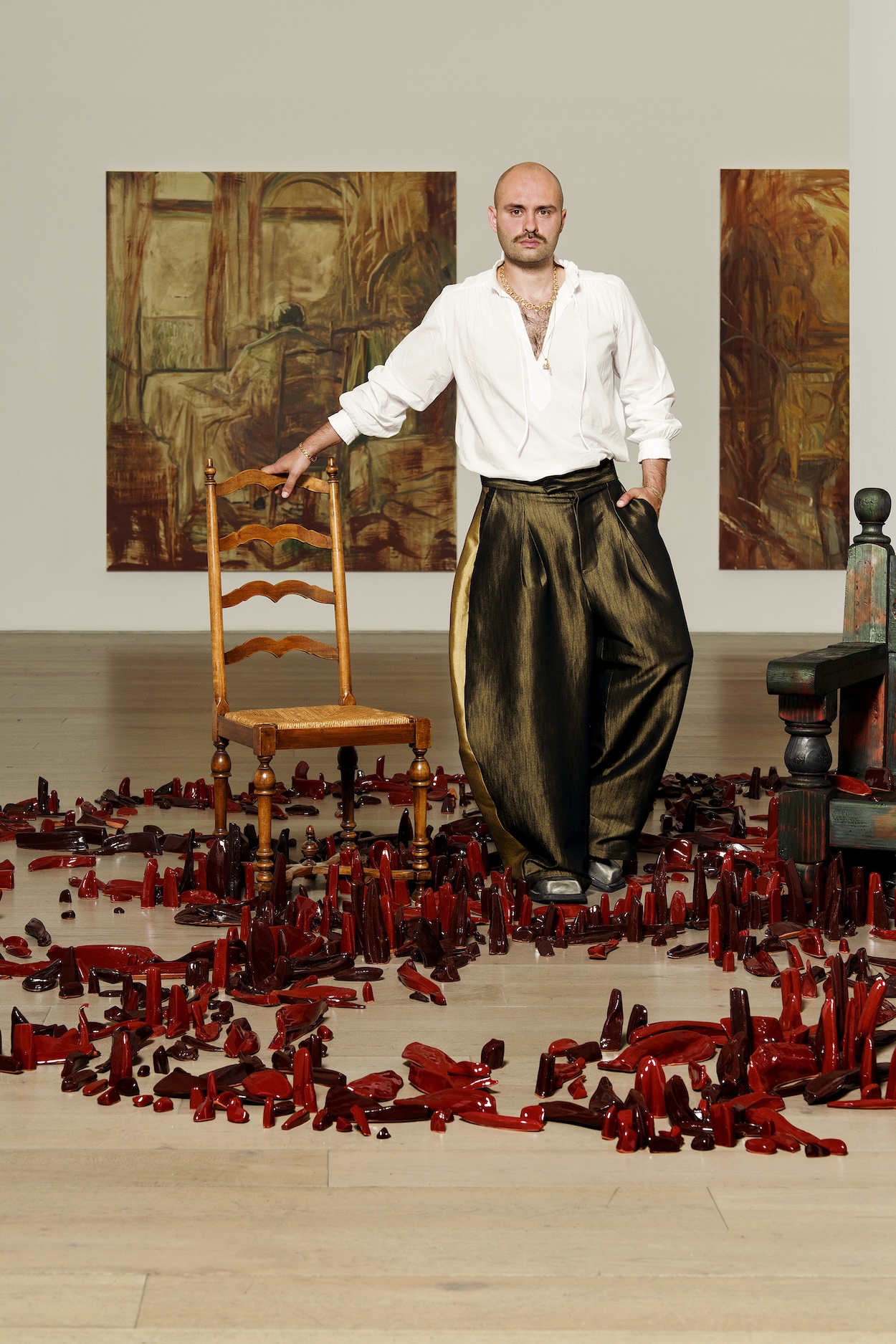
Portrait of Hugo Toro, 2026. Photographer: Guillaume Ziccarelli Courtesy of the artist and Perrotin.
…
All of the paintings in the exhibition, entitled “Ojo de Agua,” were composed within the last two years; Toro formed all of the ceramics himself, as well. “Ojo de Agua” marks his solo U.S. debut, and follows 2025’s “Aguas que murmuran” at the Institut Culturel du Mexique in Paris—his first art exhibition ever. Throngs of people attended the opening at the Institut Culturel du Mexique, including guests from Perrotin (which was across the street). Artistically and thematically, this exhibition is an extension of the first. The works—and the narrative engulfing them—emerged in tandem.
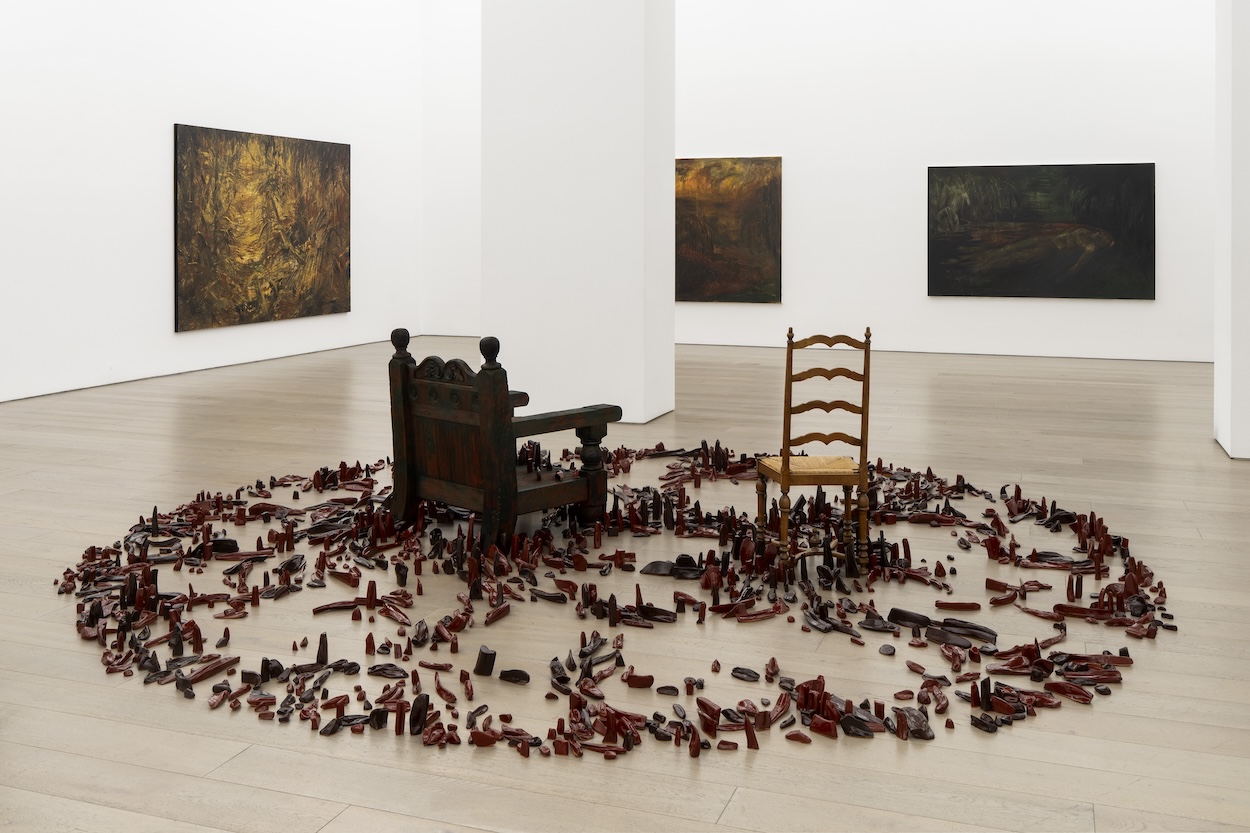
Installation views of Hugo Toro's 'Ojo de Agua' at Perrotin New York, 2026. Photographer: Guillaume Ziccarelli Courtesy of the artist and Perrotin.
…
“I’ve always been painting but my practice as an artist is quite new,” Toro tells Surface in his architecture studio in Paris prior to the Perrotin opening. “With my practice, when we are doing a luxury hotel, I paint everything. If there is a pattern, like one on a carpet, I paint it and then we translate it to textile. Painting is my language but I had never expressed it before through a canvas.”
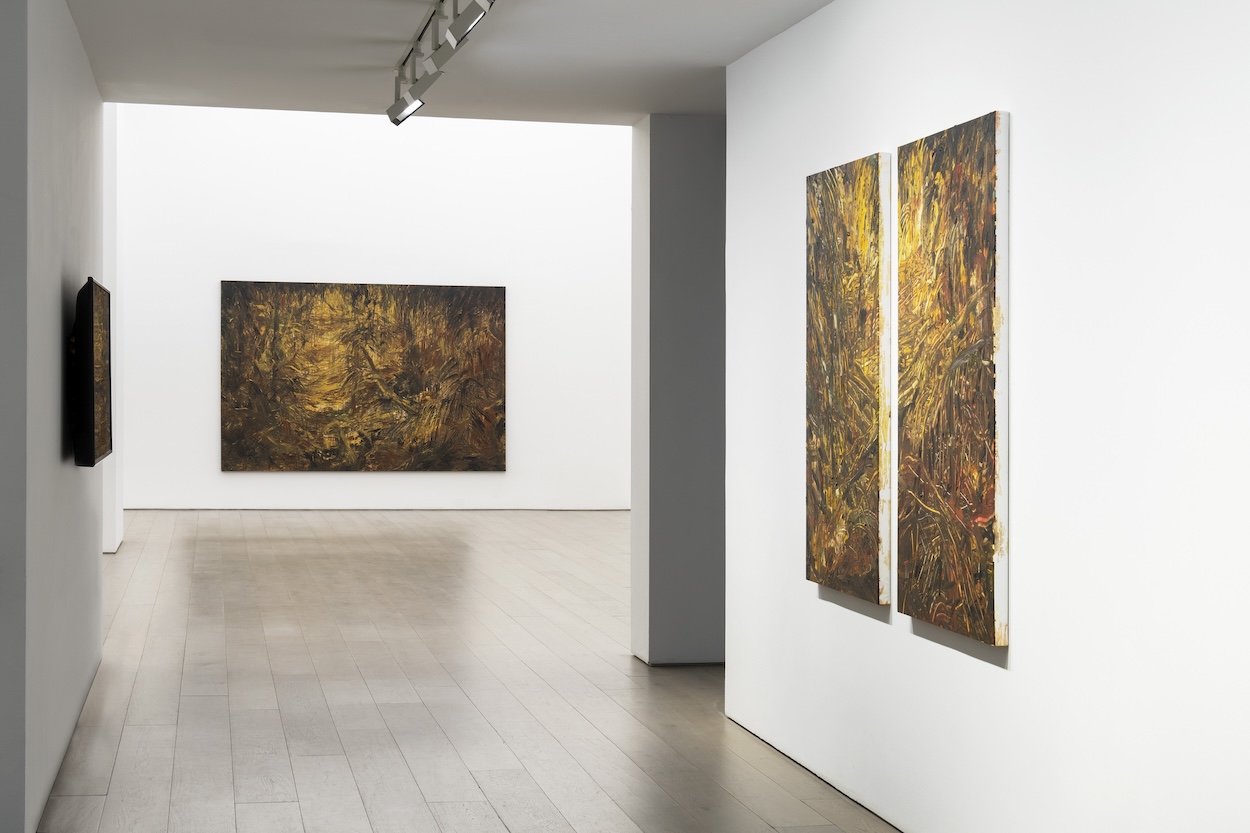
Installation views of Hugo Toro's 'Ojo de Agua' at Perrotin New York, 2026. Photographer: Guillaume Ziccarelli Courtesy of the artist and Perrotin.
…
When an opportunity arose to exhibit with Perrotin, Toro wanted it to be in New York City because of its location, emotionally, between Mexico and Paris. “I have Mexican nationality but I grew up in France. I am split into two,” he says. “I do not feel fully French and I do not feel like a Mexican, but it is in my roots. The exhibition is the name of the village of my grandparents. It translates to ‘eye of the water.’ My first exhibition title translates to ‘whisper of the water.’” Toro sees New York City as enveloped by rivers, literally and metaphorically. Water informs everything he creates.
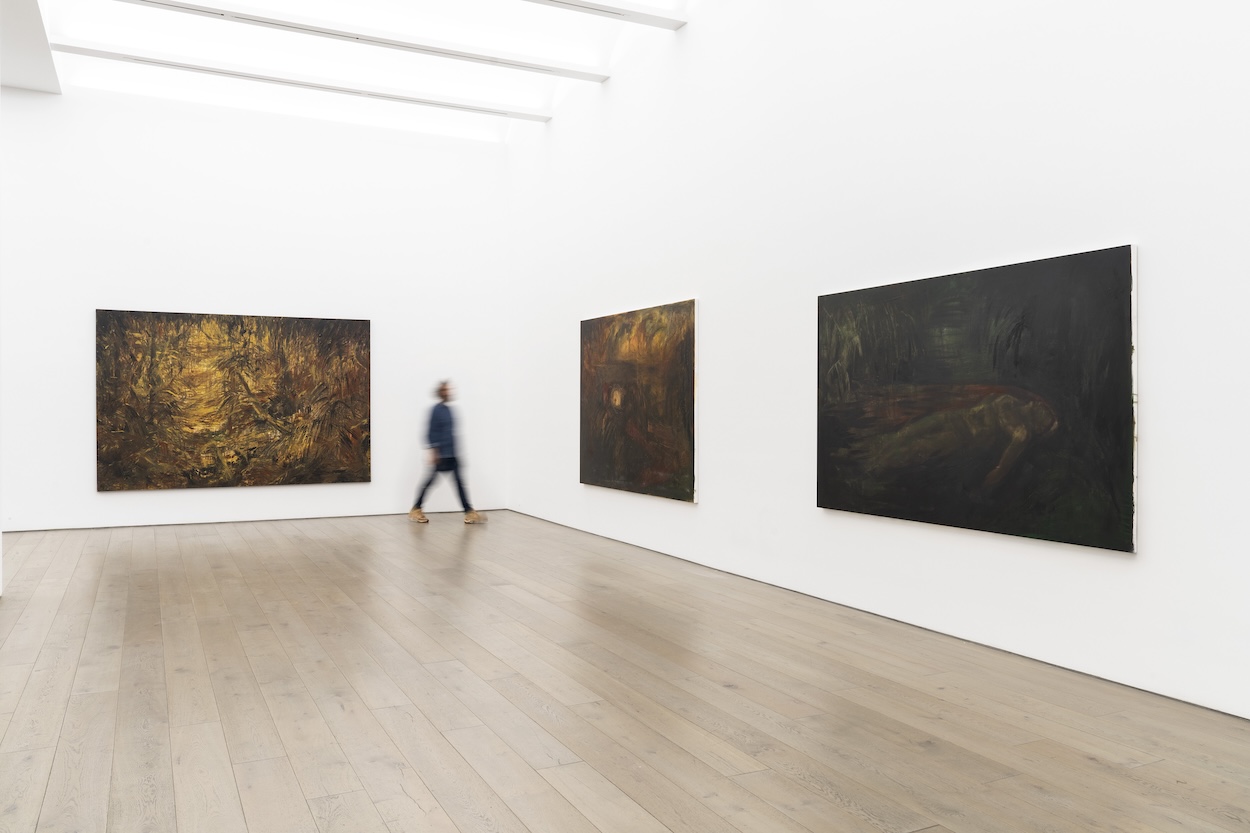
Installation views of Hugo Toro's 'Ojo de Agua' at Perrotin New York, 2026. Photographer: Guillaume Ziccarelli Courtesy of the artist and Perrotin.
…
The fragmented central installation delves further into the duality of identity. “It’s a subliminal message about the village of Ojo de Agua and my first memories when I was visiting my grandparents with my mom,” he says. “It was my first connection to Mexico.” With his painted works, abstraction, landscape, and figuration emerge. “There are some paintings which navigate memories; there are landscapes that fantasize Mexico and are abstract while some are more defined from memory. They are always anchored by a point of light.”
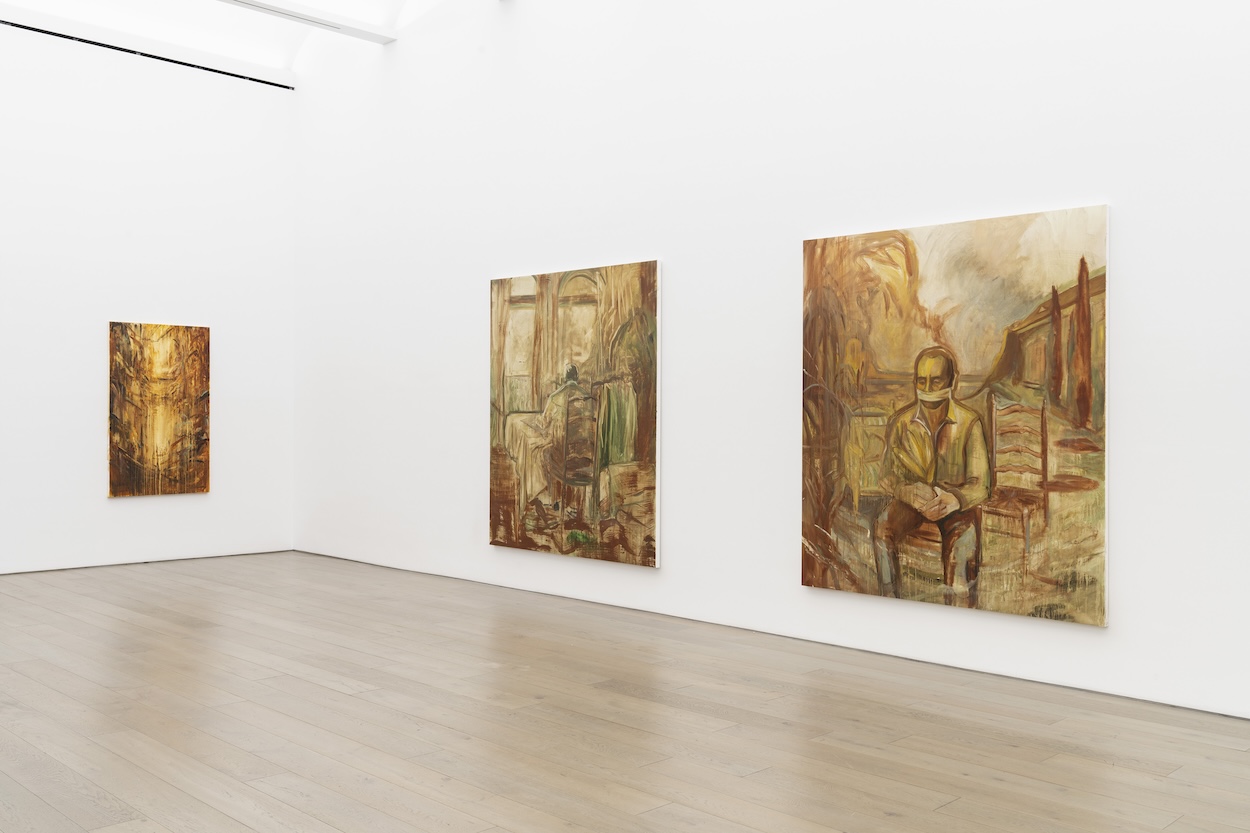
Installation views of Hugo Toro's 'Ojo de Agua' at Perrotin New York, 2026. Photographer: Guillaume Ziccarelli Courtesy of the artist and Perrotin.
…
Though he acknowledges that he uses the same creative internal font to paint that he employs for his architecture studio, he draws concern over being perceived as an architect who paints rather than as an architect and as a painter. “Painting is a way of expressing something that was hidden in myself,” he explains. “In architecture, I am concealed behind a brief. Here, it is more emotional and even difficult to talk about. I am more vulnerable. I am showing you myself.” In his revelation, there is darkness cast through a rough, instinctive, and gestural process with acrylic, ink, pastel, and charcoal.
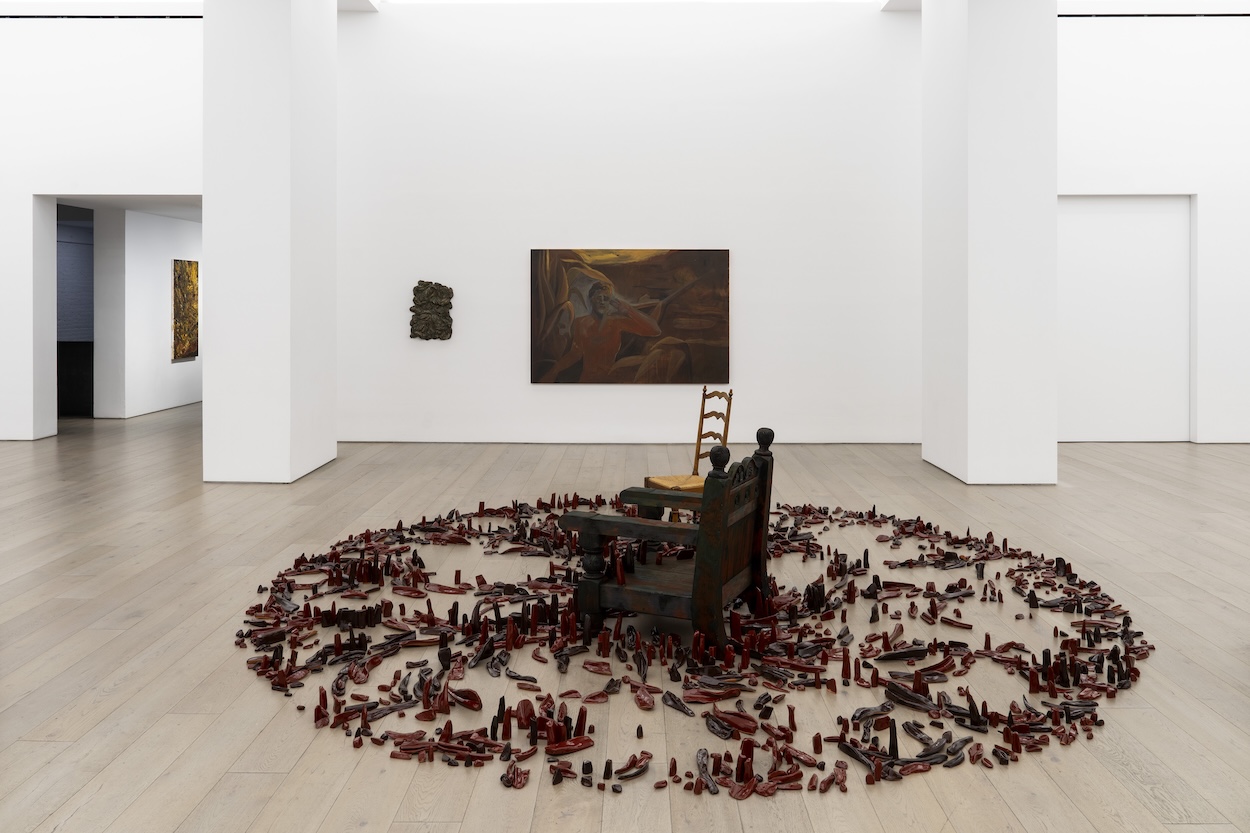
Installation views of Hugo Toro's 'Ojo de Agua' at Perrotin New York, 2026. Photographer: Guillaume Ziccarelli Courtesy of the artist and Perrotin.
…
Though imbued with his personal narrative, the works do live outside of the artist. “At some point, art is made to be used by others,” Toro says. “I am not asking anyone to understand them, but to look at them and ask questions about themselves.” It’s easy to lose oneself in Toro’s world, drawn in by the pigment, the textures, the mangroves, and the unearthing of identity.