Courtesy of Philadanco – The Philadelphia Dance Company…
With the curatorial theme “What Now: 2026,” Katherine Sachs proposes the open-ended question at the heart of ArtPhilly, the new city-wide festival she founded to cast conversations around the 250th anniversary of the U.S. through an experiential, artistic, and future-leaning lens. Spanning five weeks and several venues, incorporating the work of many local artists, the festival is both a celebration of Philadelphia culture and an invitation for its institutions to rise to the moment. Sachs—a curator, collector, and philanthropist—says that the inaugural edition is only the first of what will become the city’s arts biennial. And the theme “What Now” will remain. “It is what comes after the colon that reveals the connection,” she tells Surface.
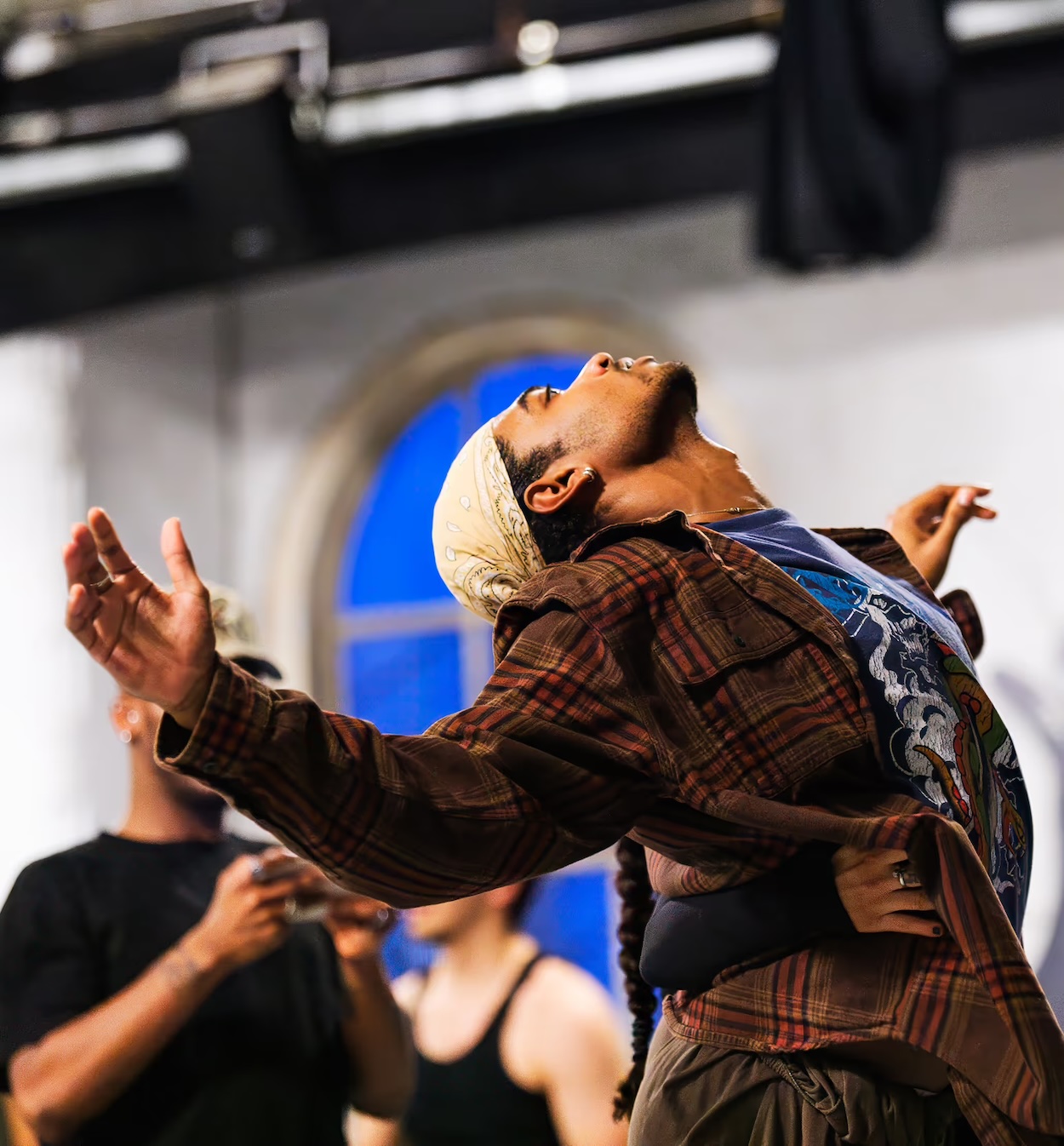
To learn more about the long-term vision, and the breadth and depth of ArtPhilly (which includes curatorial highlights like “The Basil Biggs Project,” “in case of fire, speak! Martha Graham Dance Company + PHILADANCO!,” and King Britt’s “BLACKTRONIKA: Philadelphia Now and Then”), we spoke with Sachs as the festival opened its doors on May 27.
Courtesy of ArtPhilly…
As someone who’s long been involved in shaping Philadelphia’s cultural landscape—behind the scenes—as collector, trustee, and connector, what made this moment feel like the right one to establish a festival?
Being someone who cared about the arts and culture scene of Philadelphia I asked around to see if anyone was doing anything to foreground the arts in the celebration of the 250th. In my mind, this was the moment to highlight our amazingly talented creative communities and institutions throughout our city—to brand Philly as an arts and culture destination. I discovered that no one had any plans, so we thought, let’s do it ourselves. We got together a team of four arts leaders and added seven more. We met many times and created the values which have continued to guide us to this day.
We chose to create a five-week, multidisciplinary, city-wide festival. Everything had to be original new work. We wanted to amplify all voices, highlight as many communities as we could and show the breadth, depth, and excellence of Philadelphia’s artistic talents, while also highlighting our city’s large and small institutions. We knew that what people would experience here would be unique. It was to be something they could not get anywhere else. There really is an authenticity that thrives here. That is our special sauce. People had to come to Philly to experience it.
Courtesy of ArtPhilly…
What did this translate into?
Thirty-four original projects from music and theater, to dance, visual arts, storytelling, food, and much more. The 34 projects have generated over 100 events from May 27 to July 2. There will be non-stop art happening in Philadelphia.
What made us realize we were on the right track happened at our very first one-day festival a few years ago. On that day we had brought together all the artists who had been chosen and many of them spoke about or performed what they were hoping to present at the festival.
One of them, a filmmaker, Walé Oyéjidé said the following: “I think what this upcoming festival will remind us—and remind the world—that Philadelphia is not a place to be by-passed. It is not a kid brother to other cities. It is a world city on its own with a striving artist community who needs nothing but a reminder of who we are and who we can be to blossom.” That pretty well sums up all we had hoped for. Through ArtPhilly we could have a transformational impact on our artists and on our city.
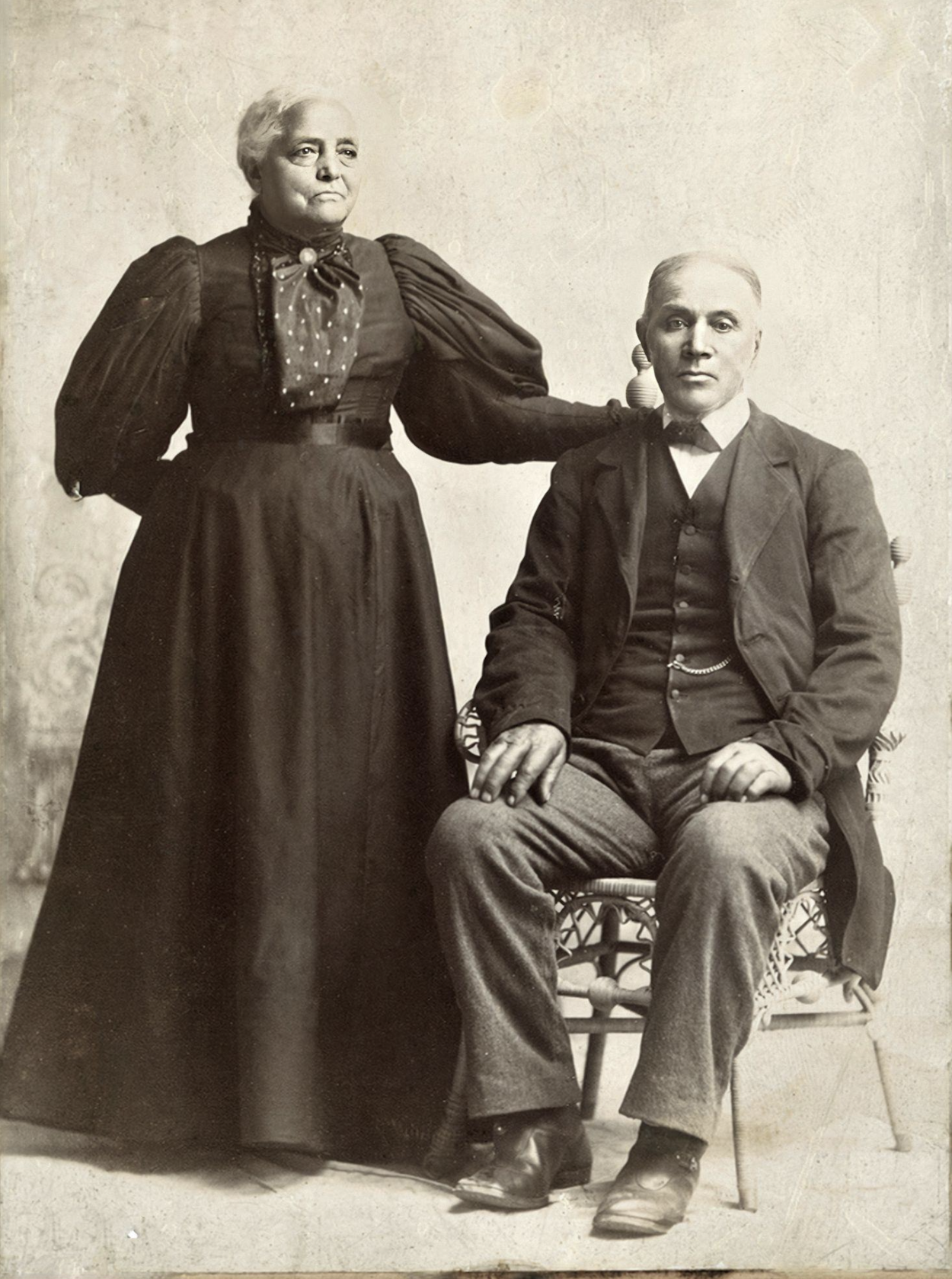
Basil Biggs and Mary Jackson Biggs. Courtesy of the Biggs descendants / Adams County Historical Society…
With What Now: 2026, why was it important to have artists interpret this pivotal moment in history?
Artists are the very best interpreters of any moment in time and we really needed them to help us understand who we are at this significant moment. We used to talk about this wonderful quote from Leonard Cohen, which was actually used as the opening statement for an exhibition on the Bicentennial at Haverford College. “There is a crack in everything, that’s how the light gets in.” We always felt that it was the artist who could understand the crack and provide the light.
Who are we 250 years beyond the signing of that revolutionary document? ArtPhilly gives us all the opportunity to think about where we are in that experiment through all kinds of mediums.
Odile Donald Odita has created a triptych of sheer fabric banners which reflect the colors of the stained glass windows of Broad Street Love and he calls this exhibition “Freedom is….” Could it be a place for our imaginations to take over and experience the ethereal beauty of art in a place dedicated to community service. Art can be anywhere.
Anna Deavere Smith is writing a new play about her great great grandfather who lived in Gettysburg during the time of the Civil War. Basil Biggs reflects Deavere Smith’s long standing mission to weave together historical fact and artistic imagination to create stories which reflect the American voice and inspire discussion.
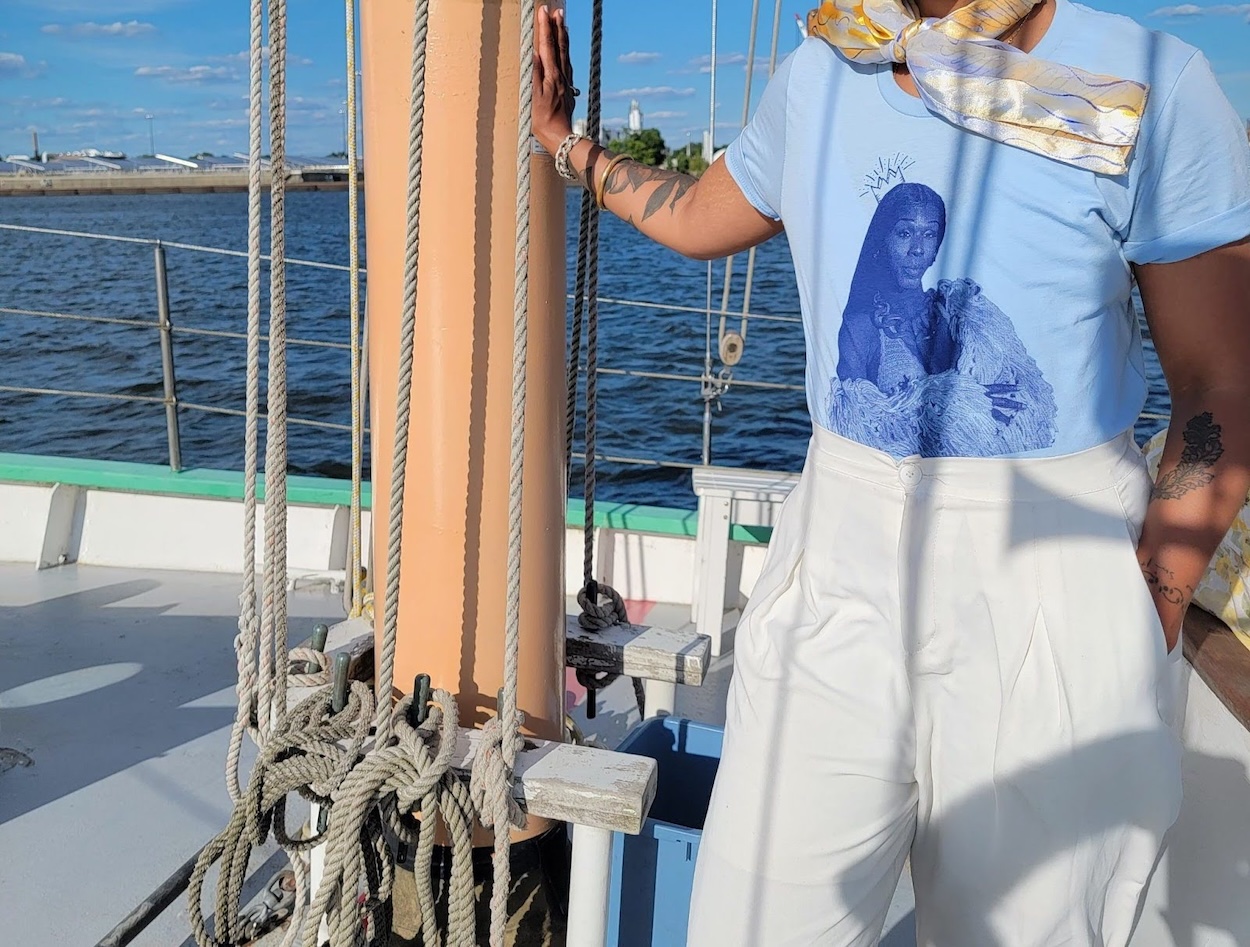
Indira Allegra aboard North Wind Schooner, photo by Rob Blackson…
The festival unfolds across neighborhoods, public spaces, and cultural institutions throughout Philadelphia. How do you think encountering art outside of traditional museum walls changes the way that people engage with both the city and with one another?
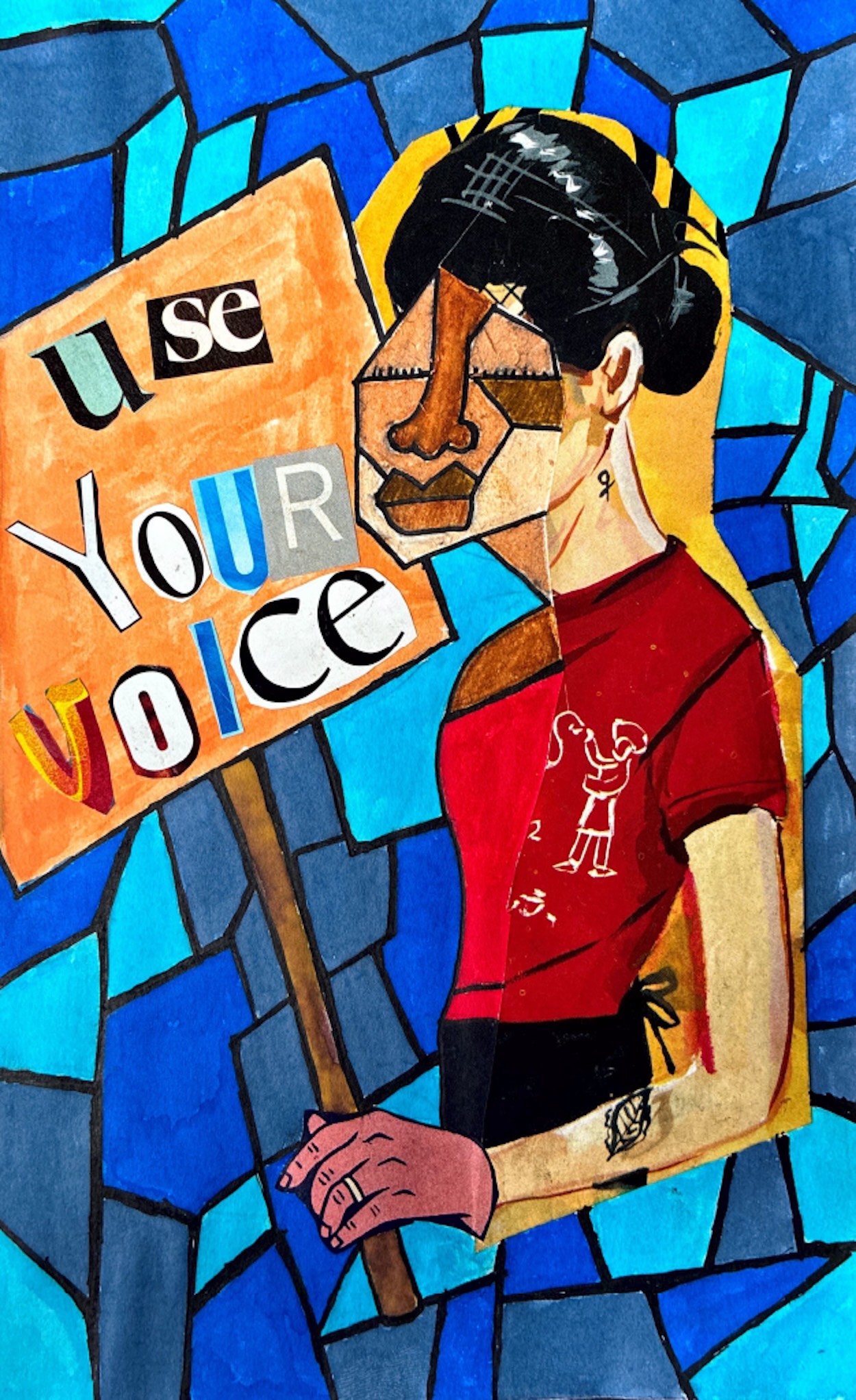
Art is a connector. Art can be anywhere. “What Can You Do While You’re Waiting” brought conversation starters dealing with observation to bus stops for people to take a moment to look up and out at their surroundings. These brought people together in a joyful, visual, and unmistakable Philly way.
In “Rewilding Philadelphia,” creative producer Pete Angevine and a coalition of Philly’s most committed institutions with the community turn a vacant lot in Kensington into a living breathing pocket forest, whose urban canopy of will provide a place of comfort and shade in the years to come.
Throughout your career, you’ve championed artists not just financially, but also by creating opportunities for collaboration and dialogue. How has that philosophy shaped the structure of ArtPhilly and the kinds of projects being commissioned?
One of our goals and a measure of our success is that we hope this endeavor will foster more collaboration between organizations and artists into the future. This could be a distinguishing outcome of the festival and one that has a tremendous value for our city. We can do so much more together than separately. Many of our artists are meeting each other for the first time and so respect what each is doing—we know collaboration is in their future work. Many of our projects have many artists working together to bring their variety of skills to the project.
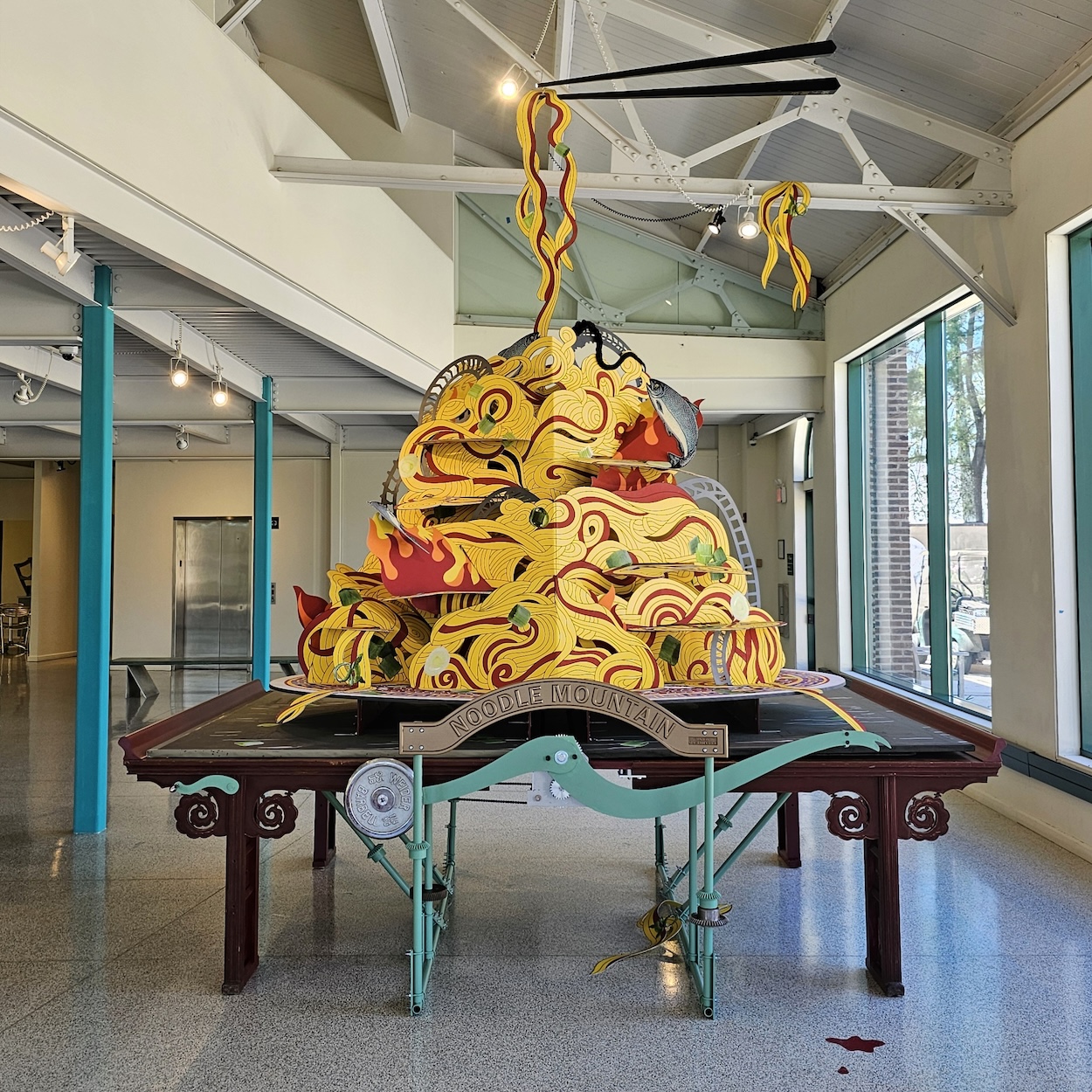
For example, Pepperpot is a multimedia intergenerational event with music, poetry, illustrations, and food.
Philadelphia occupies such a complicated symbolic position in American history as both the birthplace of democracy and a city shaped by inequality. How do you see the participating artists navigating that tension?
Art is born of one moment and it reflects that time, but to be lasting with a universal appeal it has to be more than that one note. It has to, in an innovative and creative way, build on the past through a contemporary lens. It is those threads which are lasting. Philadelphia is steeped in history and it is hard to avoid the past when creating the future. That is the excitement we hope to reveal to all the visitors to ArtPhilly.
You have invested in the city’s cultural infrastructure through initiatives like the Sachs Program for Arts Innovation at University of Pennsylvania. What gaps or possibilities in Philadelphia’s arts ecosystem were you hoping ArtPhilly could address?
I hope that this festival makes not just visitors but Philadelphians too realize how extraordinary the arts are in their own home town. There are so many millions of people in our city and in the surrounding counties, not to mention that I heard the statistic that 40 percent of the population of the country lives a day’s drive from Philly, so if a nice percentage of all of those people attended museums, concerts and the theater more often, the sector would be a lot stronger. The city would be brighter, the streets more full of life and all of that makes the city safer.
I also believe that the city has to value the arts more. The arts are a major factor in assessing the quality of life in a city. Supporting the arts is something a city could do to help them solve their problems. It is not something to support only when the problems are solved. Art is integral to our lives.