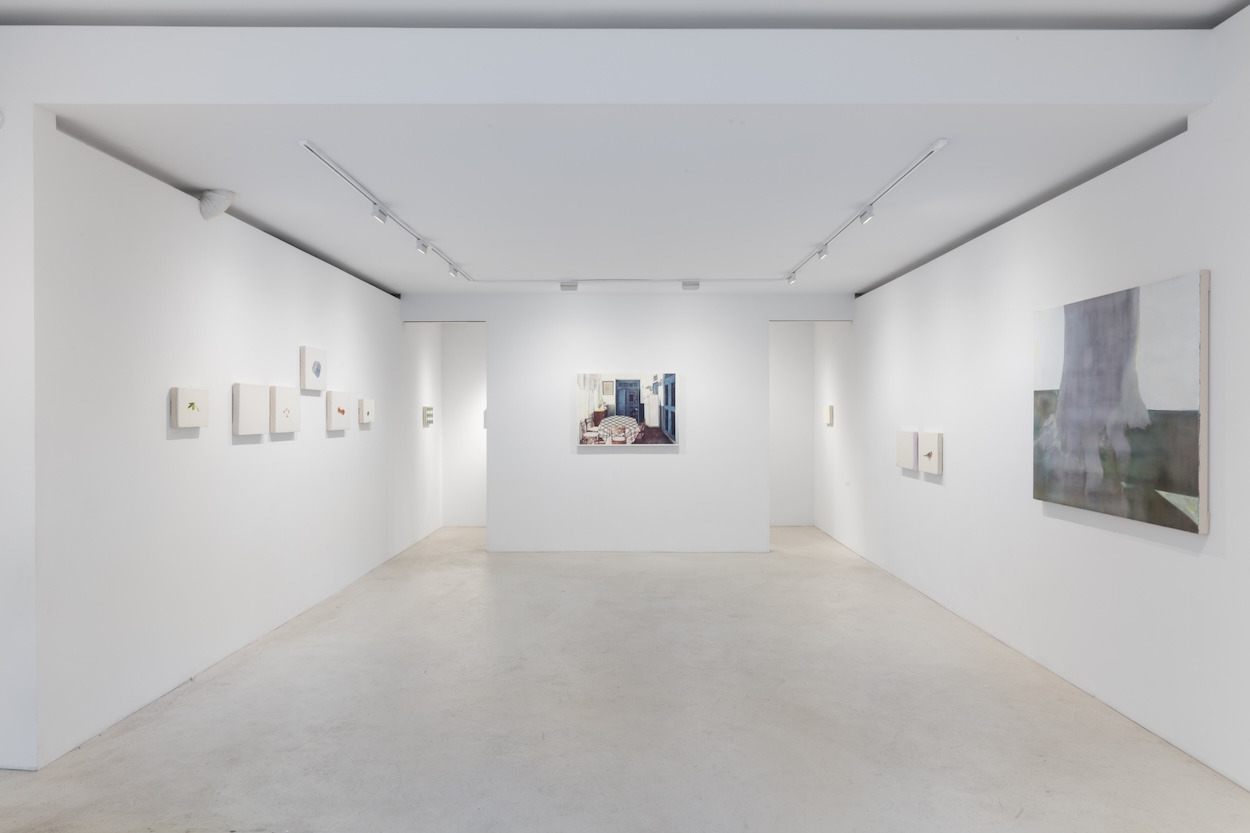
Suspended in time—and on the wall of the East Village’s Palo Gallery—Lahore, Pakistan–born Hafsa Nouman’s Tehar Jao (2024) depicts an interior scene translated from an old family photograph of the fine artist’s grandmother’s kitchen. The work, composed of oil on paper on wood panel, features a dining table draped with a patterned Dastarkhwaan, a floor spread used for communal eating in Central and South Asia (and a word for the meal itself). It’s one of many moments of reflection and recollection in the exquisitely rendered and quietly affecting solo exhibition titled “Facsimile.”
Artist Hafsa Nouman Draws Inspiration from the Dastarkhwaan
The traditional Central and South Asia communal eating floor spread informs a solo exhibition at Palo Gallery, and its opening night dinner prepared by chef Zainab Sadia Saeed
David Graver July 01, 2026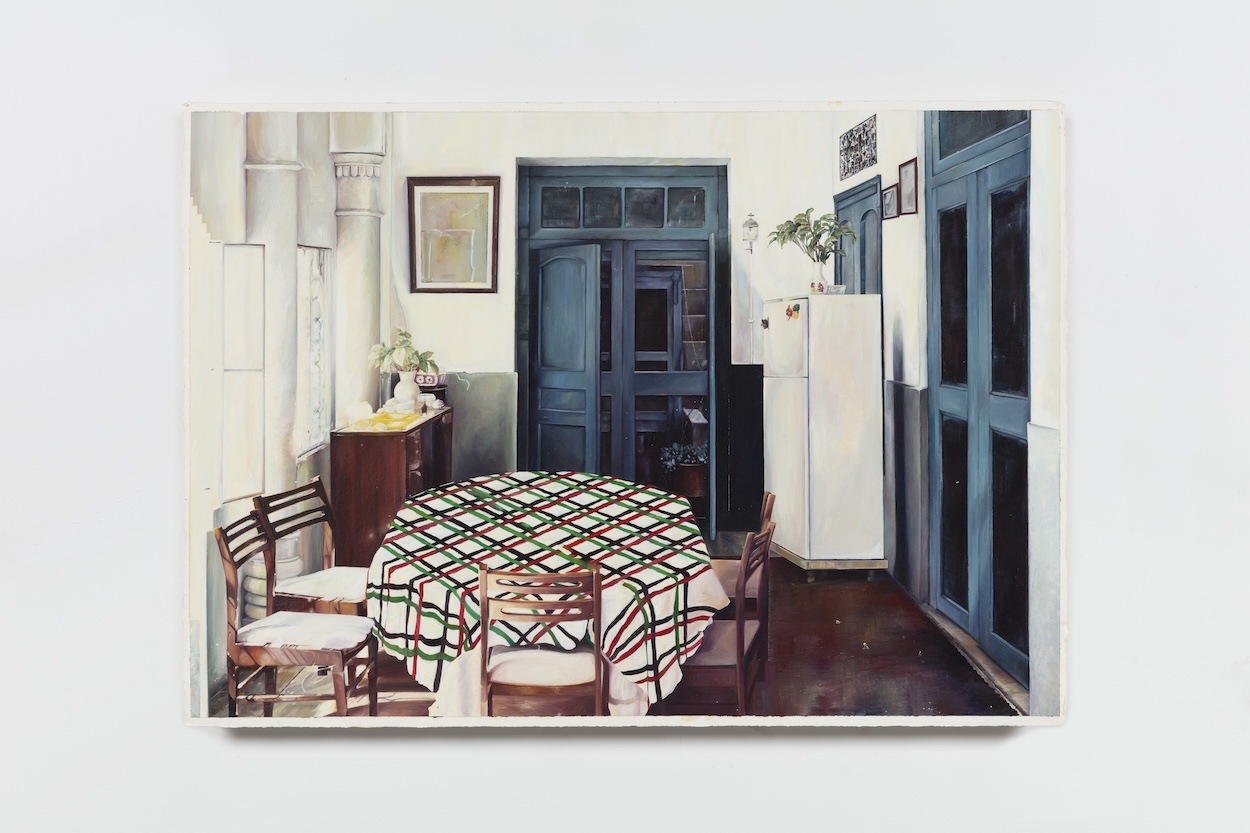
Image courtesy of Palo Gallery and Pat Garcia
…
Courtesy of Palo Gallery and Pat Garcia
…
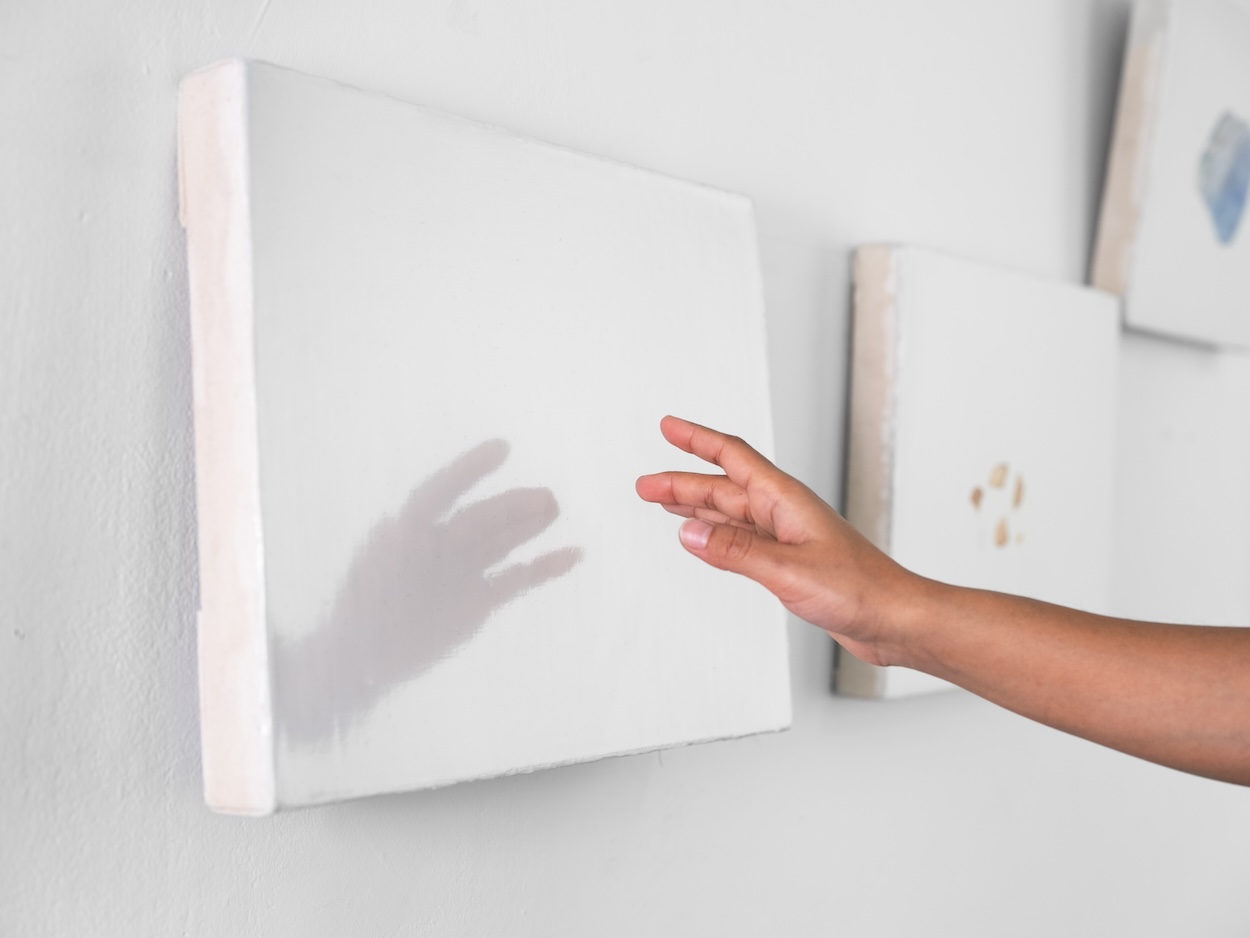
Nouman’s painted pieces require careful consideration. “Hafsa is pushing boundaries in materiality, cultural memory, and intimacy in painting,” Palo Gallery founder Paul Henkel tells Surface. “The exhibition treats memory and the erosion of cultural keystones not with despair and rage, but with a familiar cherishment and subtle sensibility that is far more powerful than any decrying of cultural loss could be.” Her work, he adds, “values the sentimental weight of objects of youth and family—from a mango tree or architectural forms to a sparrow that visited her grandmother’s windowsill.”
Courtesy of Haseeb Amin
…
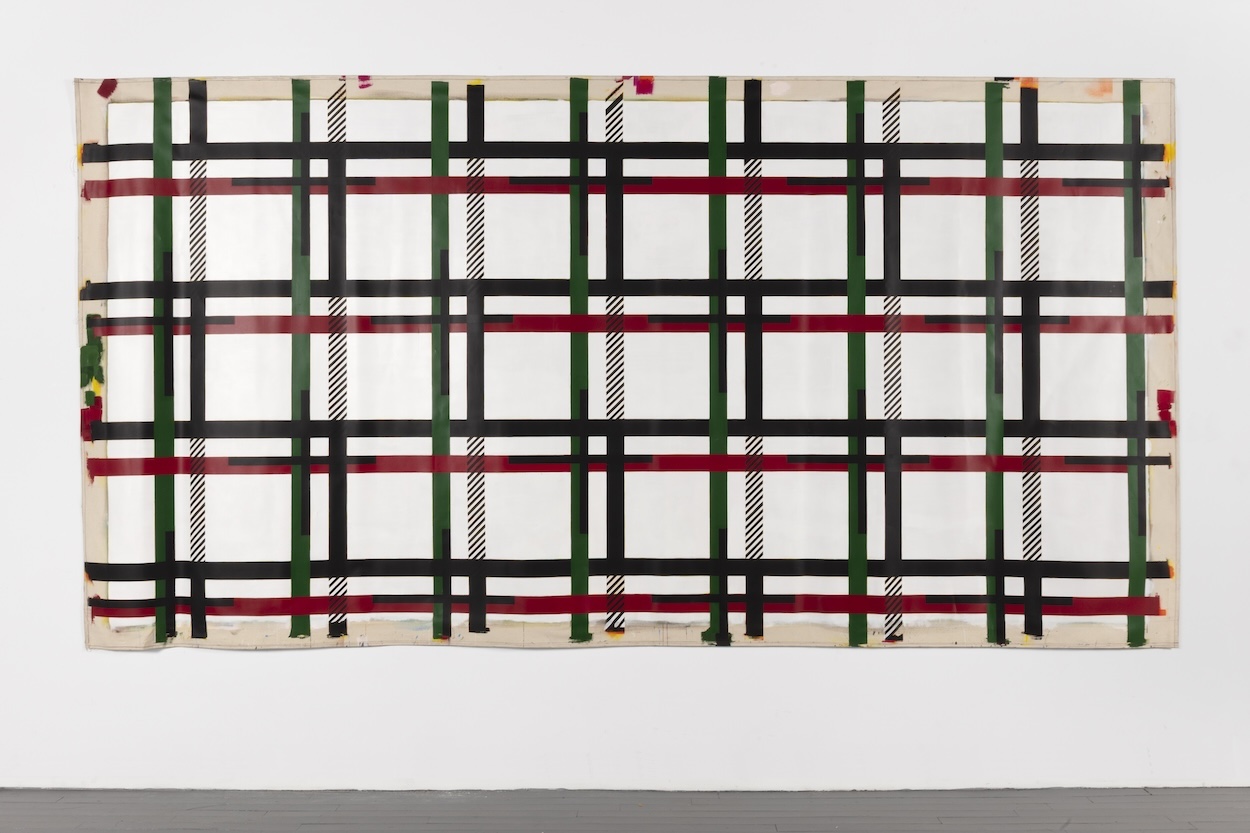
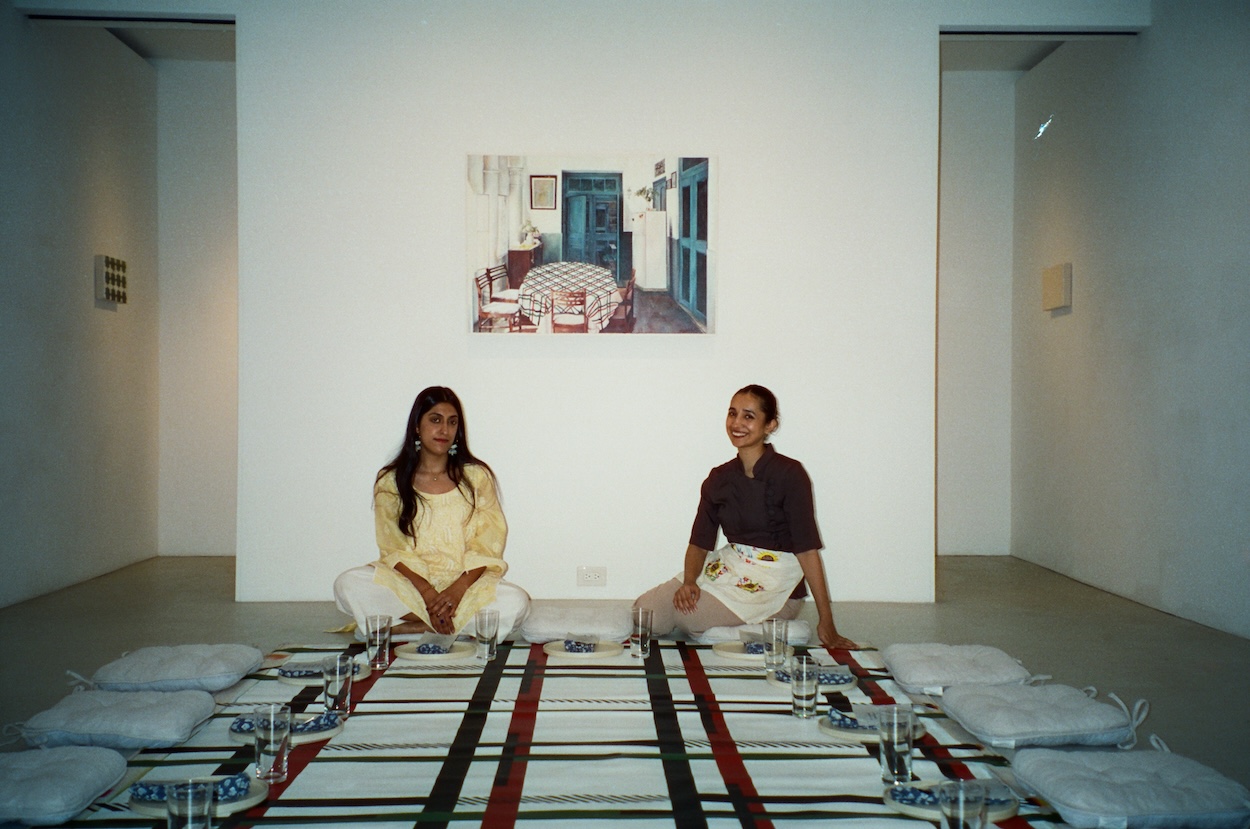
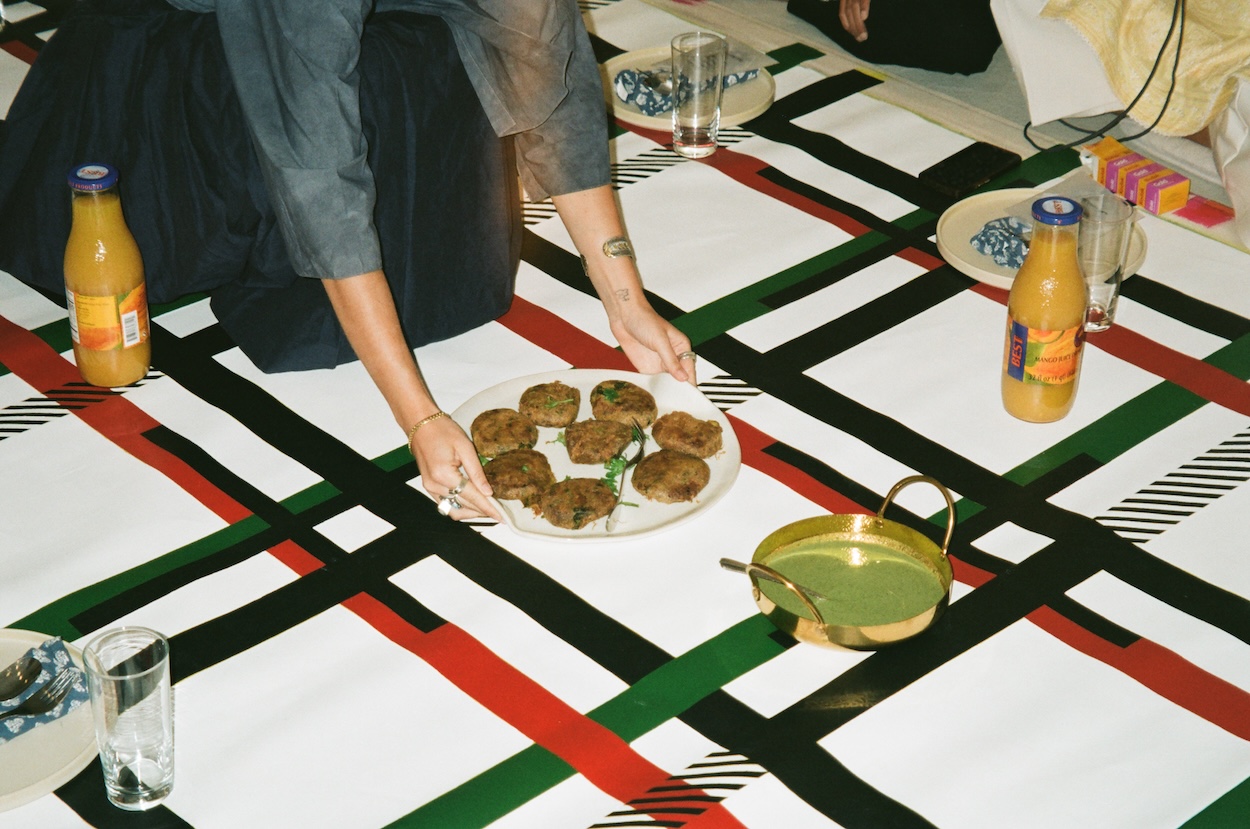
To honor the exhibition opening, Palo Gallery gathered 15 guests for a traditional Dastarkhwaan meal prepared by chef Zainab Sadia Saeed. Attendees dined upon a large canvas painted by Nouman. “The work is an acrylic painting functioning as a facsimile of the tablecloth from my maternal grandmother Bibi’s house in Gujranwala, Pakistan: a gingham pattern composed of black, red, green, and white,” Nouman says.
“Until the age of six, before the demolition of the house, every summer meal was eaten on the Dastarkhwaan spread across the floor of Bibi’s lounge. The work returns to this memory not as nostalgia, but as a way of tracing how acts of eating also produce forms of relation, hierarchy, intimacy, and belonging.”
Courtesy of Haseeb Amin
…
From Kachumar Salad to Shaami Kebab, Pudinay Ki Chatni, Chana Pulao, Chicken Karahi, and more, chef Saeed’s dishes wove into the attendee discourse and conversed with the artwork. “As the meal continued drinks were spilled, sauces splashed, and earthenware pots scraped,” he says. “After three hours of eating, talking, and sharing, the Dastarkhwaan reflected our meal and the sense of community built throughout.”
Courtesy of Palo Gallery and Pat Garcia
…
Henkel affirms that the Dastarkhwaan was one of the most memorable nights in the gallery’s history. “Not only because of the exceptional food and great company, but because I don’t think I have ever literally sat with a painting for three hours,” he says. “A friend at our Dastarkhwaan pointed out how special it was to spend so much time with one painting; it is really only artists who spend hours interacting with one painting.”
Hafsa Nouman's "What is the Desired Fruit," photo courtesy of Palo Gallery and Pat Garcia
…
Based in New Haven, Connecticut, Nouman’s practice encompasses painting, printmaking, and architectural installation. Though “Facsimile” will soon close, her poetic pieces will continue to linger in memory themselves, forming copies of translations of the past.