Designing the Mysterious Environs of “The Lost Boys” on Broadway
This year’s Tony Award winner for Best Lighting Design of a Musical and Best Scenic Design of a Musical transports attendees into the fictional moody seaside town of Santa Carla, California circa 1987.
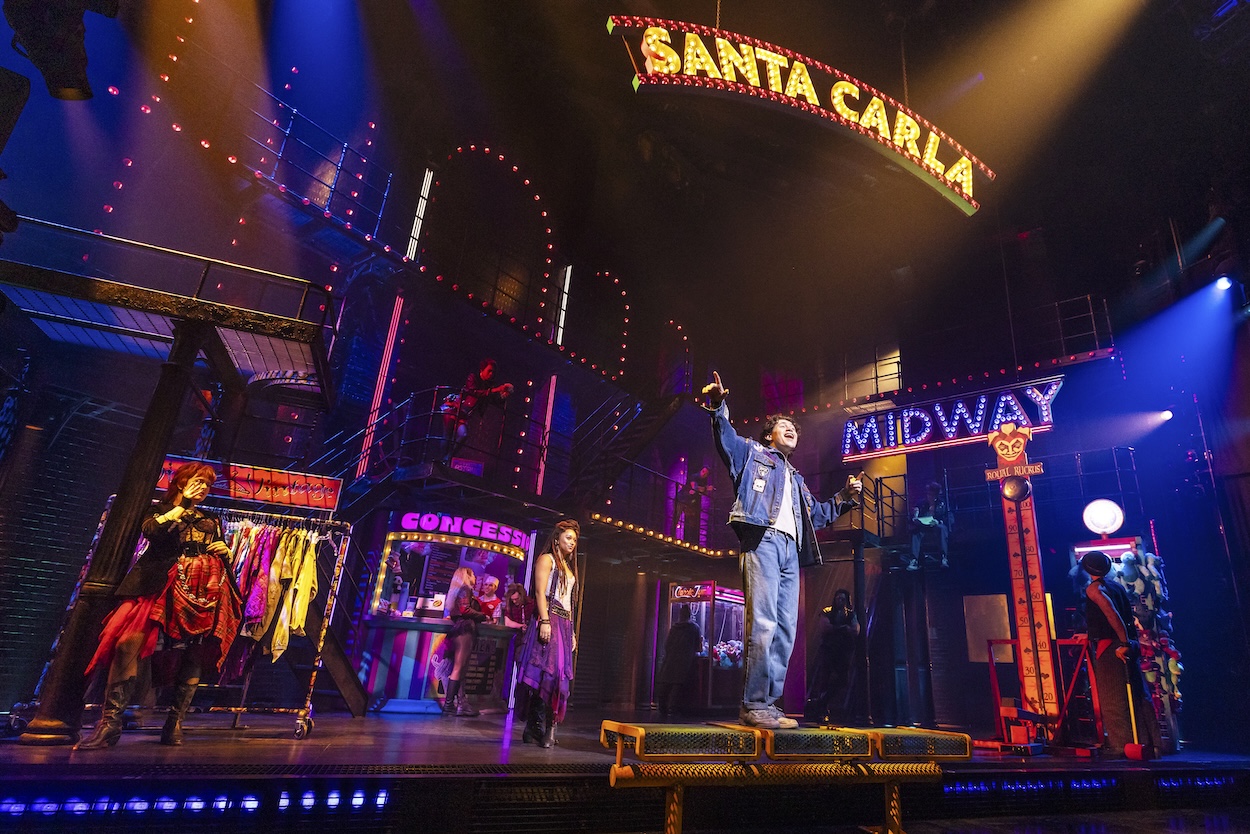
THE LOST BOYS - LJ Benet, Ali Louis Bourzgui, and Company - Photo by Matthew Murphy, 2026…
From the moment the house lights dim inside Broadway’s Palace Theater, “The Lost Boys” envelops attendees in the emotionally charged world of the Emerson family as they leave the remnants of their lives in Phoenix, Arizona for the sweeping atmosphere of the (fictional) seaside town Santa Carla, California. Designed without video projection or backdrop, the stage—a series of interconnected pieces—transforms into nearly 20 locations, including a multi-room, two-story home and a subterranean lair.
Director Michael Arden, scenic designer Dane Laffrey, lighting designer Jen Schriever (who collaborated with Arden), and many others collaborated to architect, dress, and illuminate the stage—allowing it to support the thrills, humor, and depth of the musical’s talented cast. In fact, Arden and Schriever won the 2026 Tony Award for Best Lighting Design of a Musical while Laffrey won Best Scenic Design of a Musical (“The Lost Boys” also took home Best Performance by an Actress in a Featured Role and Best Performance by an Actor in a Featured Role in a Musical). The honors are warranted, and best understood by settling into the two-hour-and-thirty-minute production.
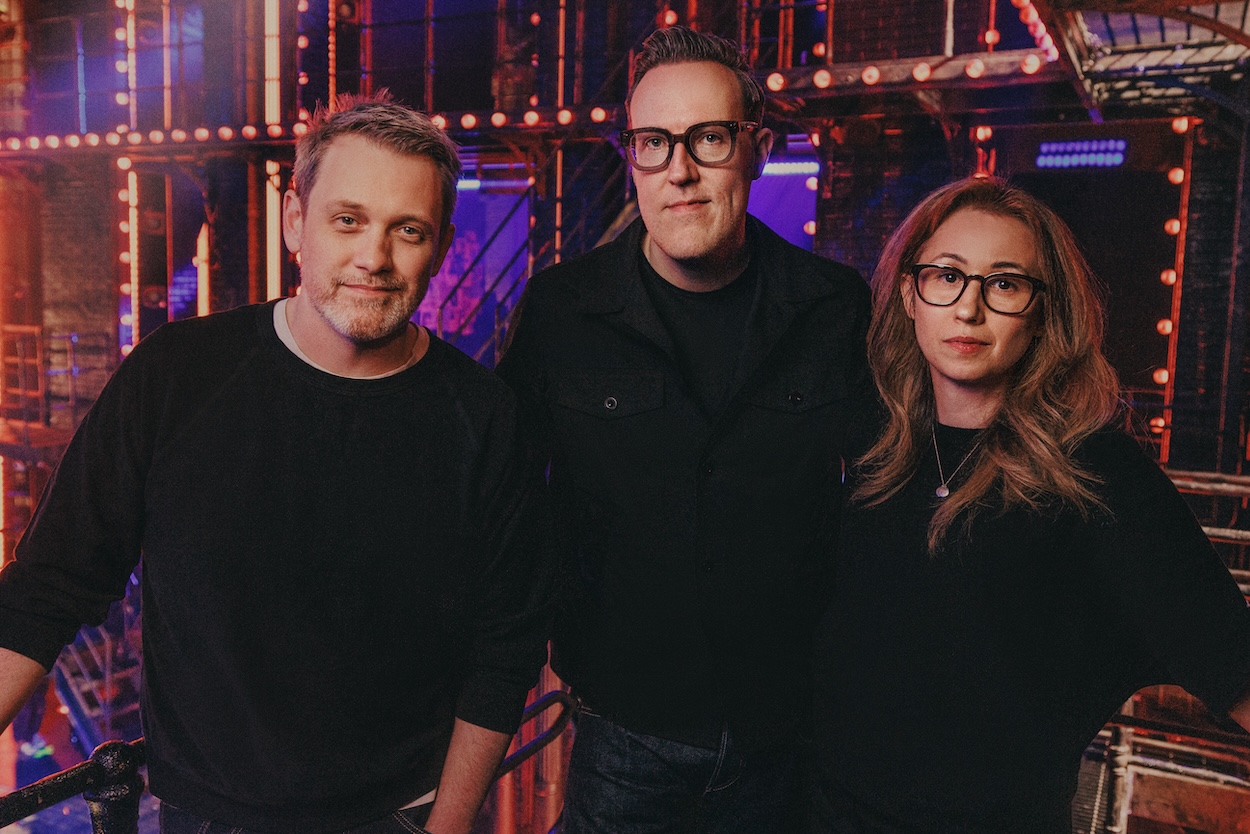
Michael Arden, Dane Laffrey, and Jen Schriever on The Lost Boys set, photo by Matthew Murphy…
The team sought to emulate the aesthetic sensations of 1987, when the film upon which the musical is based was shot, above all else. “We wanted to be authentic to the time—to give you that nostalgic feeling without it being fetishized, where the colors were slightly more saturated,” Arden tells Surface. “There is the sense of film versus digital. From there, everything else took shape.”
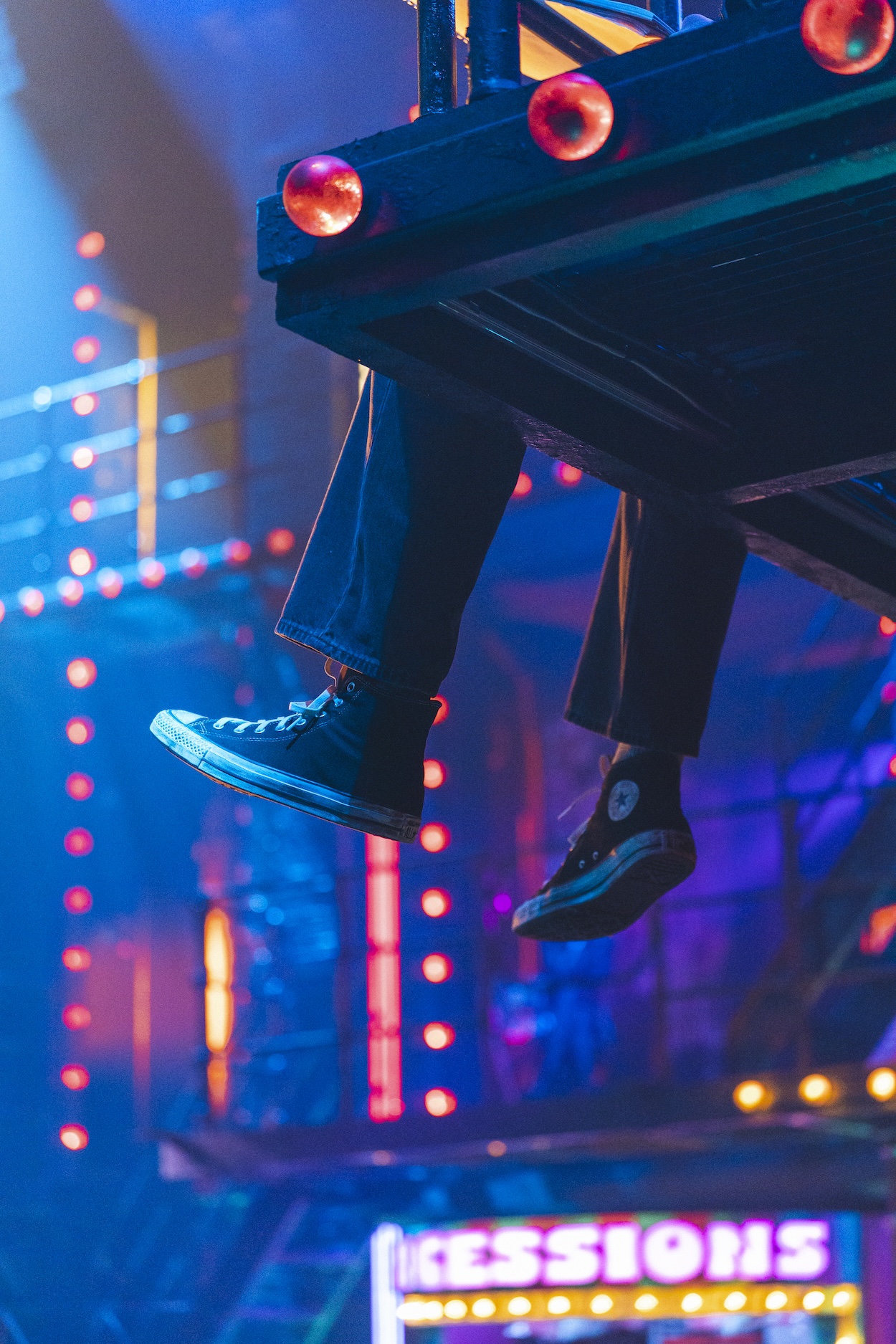
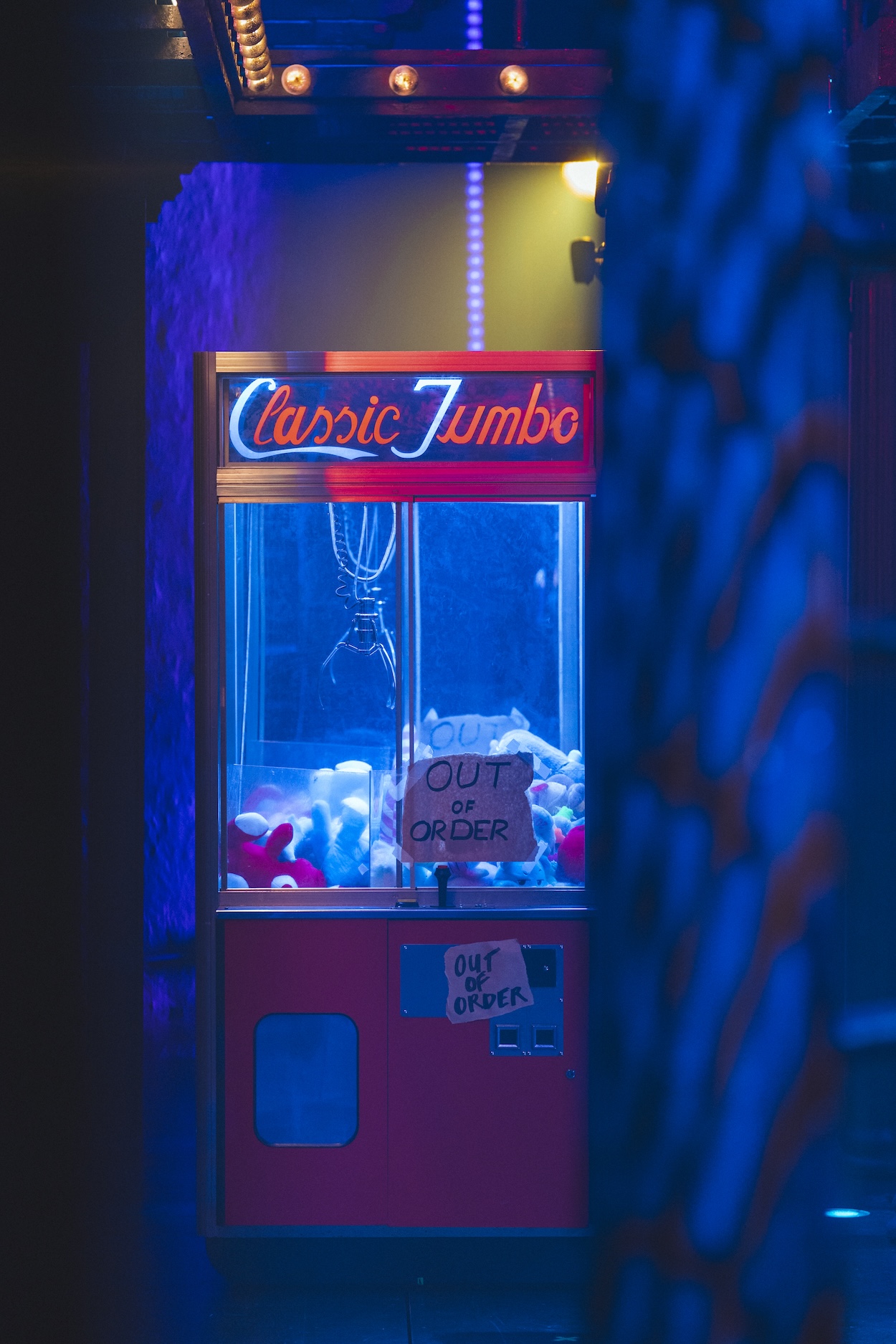
In addition to the Emerson house and the underground lair, the scenic design introduces Santa Carla’s boardwalk, both charming and unsettling, with a decaying-vacationland quality—a point of reference many of us may know. “The film was shot on the real boardwalk of Santa Cruz, California,” Laffrey says. “That place began to exist at the turn of the century. The research available is amazing because we were able to see how something that is incredibly lurid and neon was built on top of these Beaux-Arts, turn-of-the-century pavilion pieces of architecture. It was something we tried to capture in the details.”
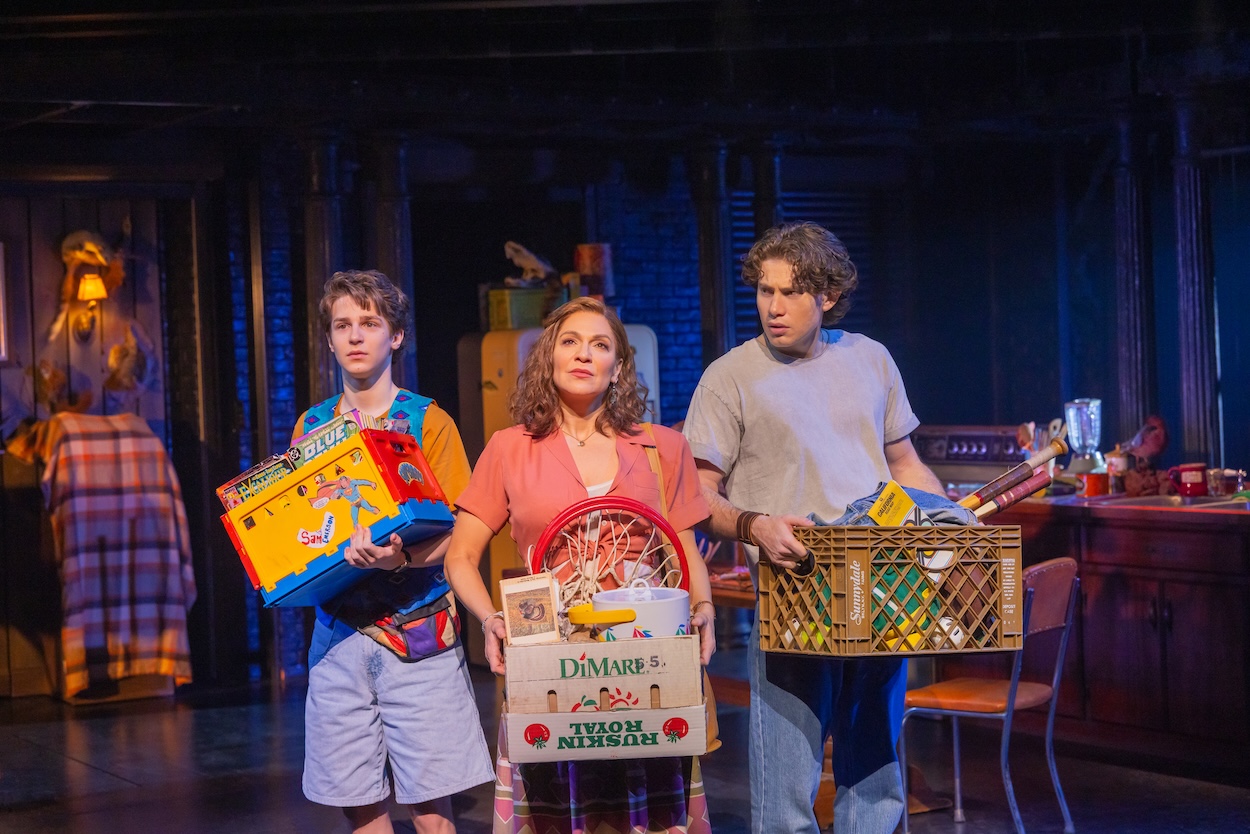
THE LOST BOYS - Benjamin Pajak, Shoshana Bean, and LJ Benet - Photo by Matthew Murphy, 2026…
Both a functional vessel and a carefully considered design piece, a three-tiered architectural structure enables the production’s verticality (as it is a vampire tale, one can expect flight) and eases transitions between the locations within. “It’s not just cold and industrial. There’s something burnished about it,” Laffrey explains. “What was very important about the architecture of the container, was that if you look at it in a particular way it feels like it’s been there for hundreds of years, maybe longer in the way the arcades suggest something Roman. There’s this feeling of immense depth of history.”
The vertical volumes were necessary to amplify the high-flying performances, but also to highlight descent. “Dimensions in theater are always really finite. Nothing is actually that tall or that big or that wide,” Laffrey explains. “It’s about how you make something feel expansive inside the frame, how it vanishes into blackness. You can’t understand the top of it, or the edges of it. In a space that is constant, we wanted to make it feel like your perspective was always changing or that you are a camera moving through it.”
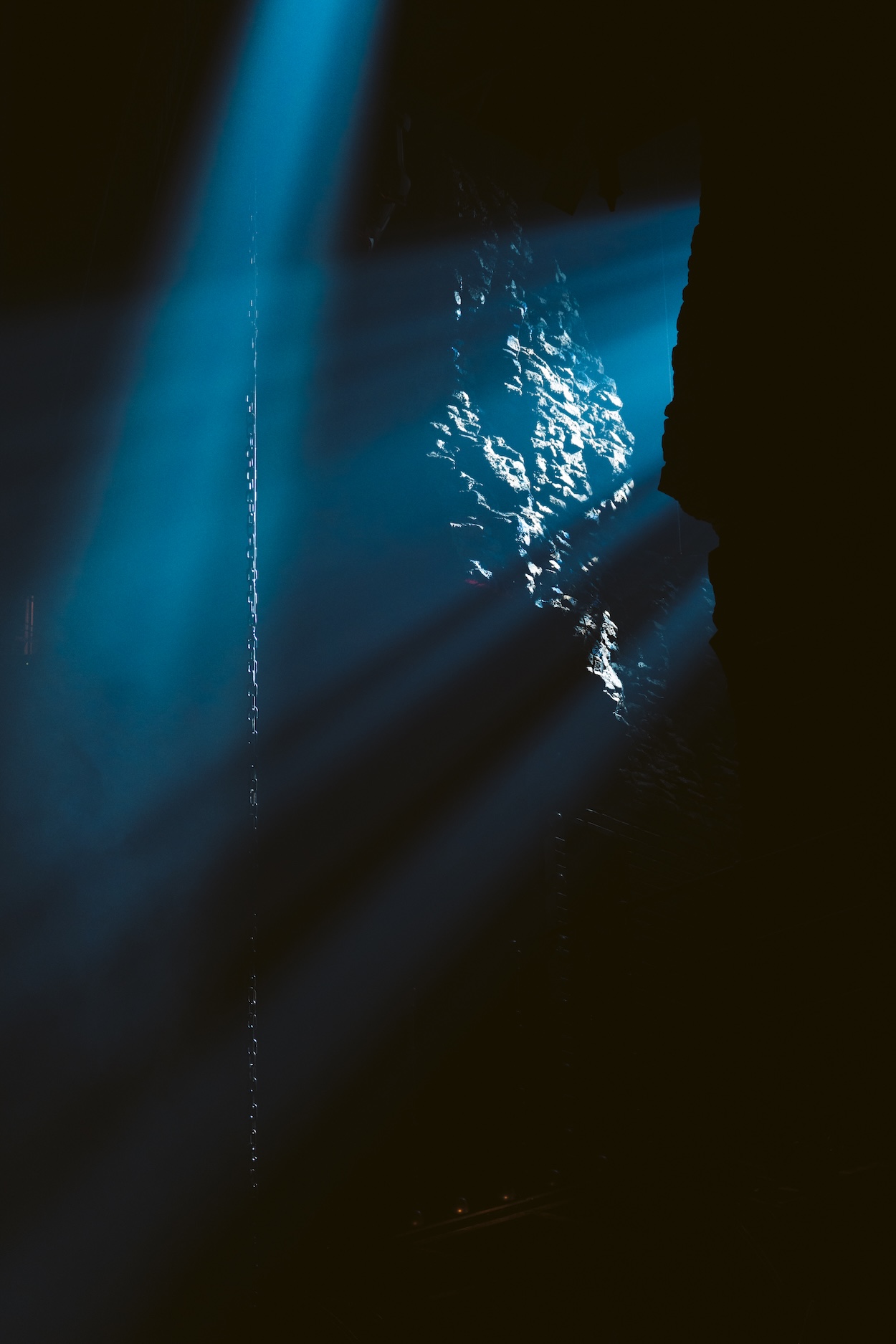
This created opportunities for lighting, which Schriever points out is about uncovering the world through the eyes of the character Michael Emerson. “How does his mind experience the boardwalk, this heightened new space that’s very different from where he’s from in Arizona?” she asks. “To convey this, we held back as much as possible.” In several scenes, it appeared that the light was reaching from far beyond. “We could have the moonlight feel like it is a million miles away,” she adds.
Arden returns to the fact that this is a comedy horror. “Given that we wanted to make something scary, we made sure that the design kept revealing itself, that there was always an element of mystery,” he says. “We allowed the audience’s imagination to fill in more than we gave them. We provided just enough information so that they could imagine more—the horrors beneath, outside, above, and beyond. We knew that no matter what we did on stage, that would pale in comparison to the imagination of the audience.”
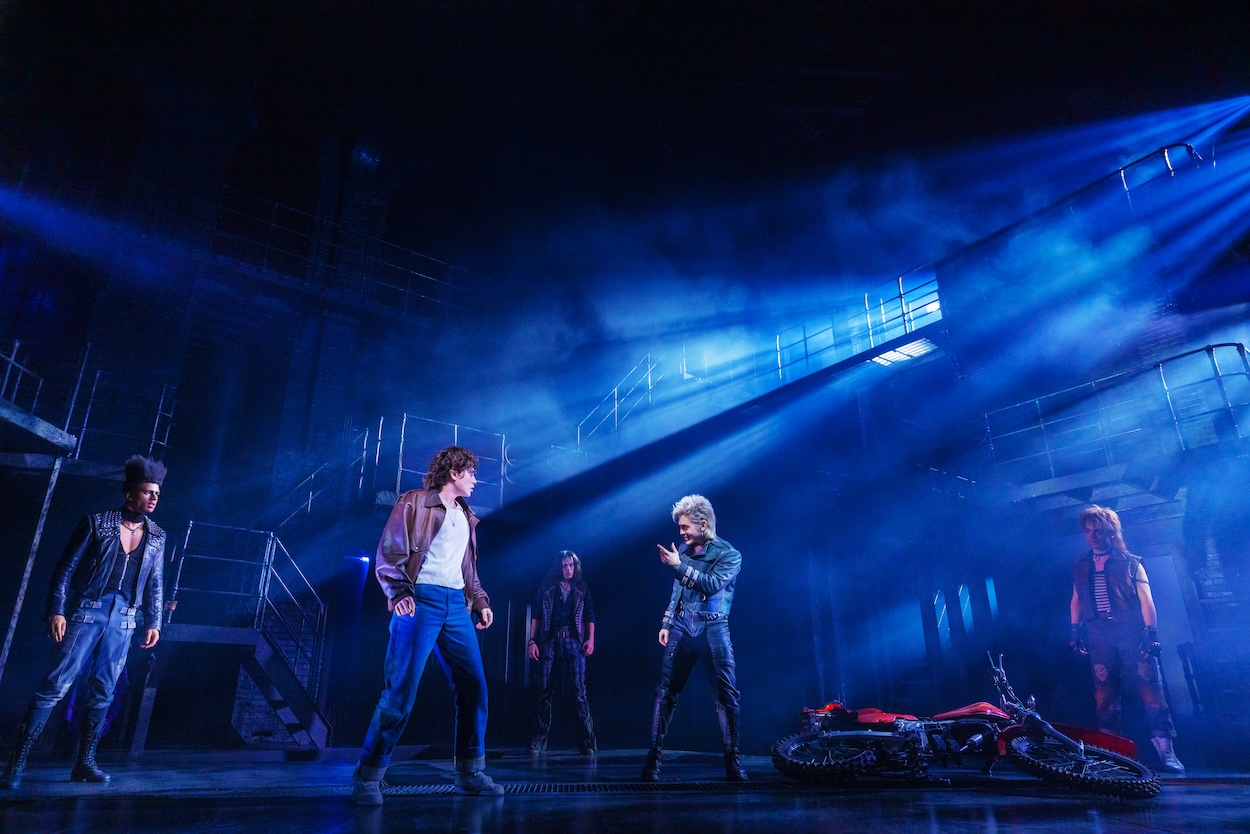
THE LOST BOYS - Maria Wirries, LJ Benet and Cast - Photo by Matthew Murphy -2026…
Time is the most critical component of the narrative and its philosophical undercurrent. This artfully manifests throughout the scenic design. Though the happenings occur in 1987, the Emerson home belonged to a grandfather character. As such, its patina goes deeper. “Our references were California A-Frame cabins from the ‘50s,” Laffrey says. “Inside, it accumulated much more over the course of a few decades and we are discovering it in 1987 as a time capsule of its own.”
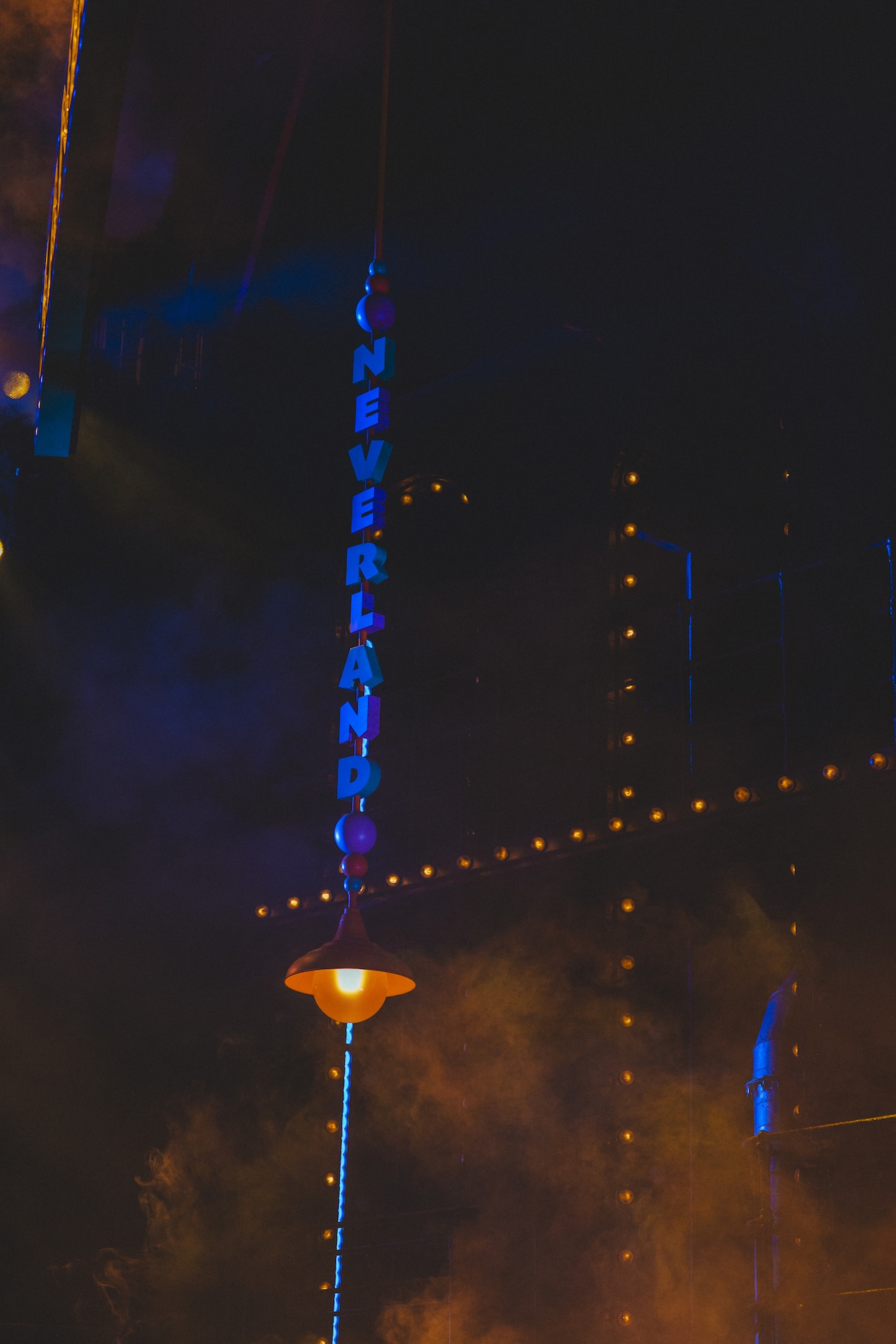
“It sits within the frame of the ironworks, which was something we created for this musical,” Arden adds, noting that in the film the vampire lair is a hotel. “There is this element, a clock in the ironworks, where time has stopped at the moment of the earthquake of 1906. The clock is always glowing throughout; you just really have to look for it.” Time here is layered: now, with the family; the grandfather; the ironworks; and the immortality of the vampires.
Photo by Avery Brunkus…
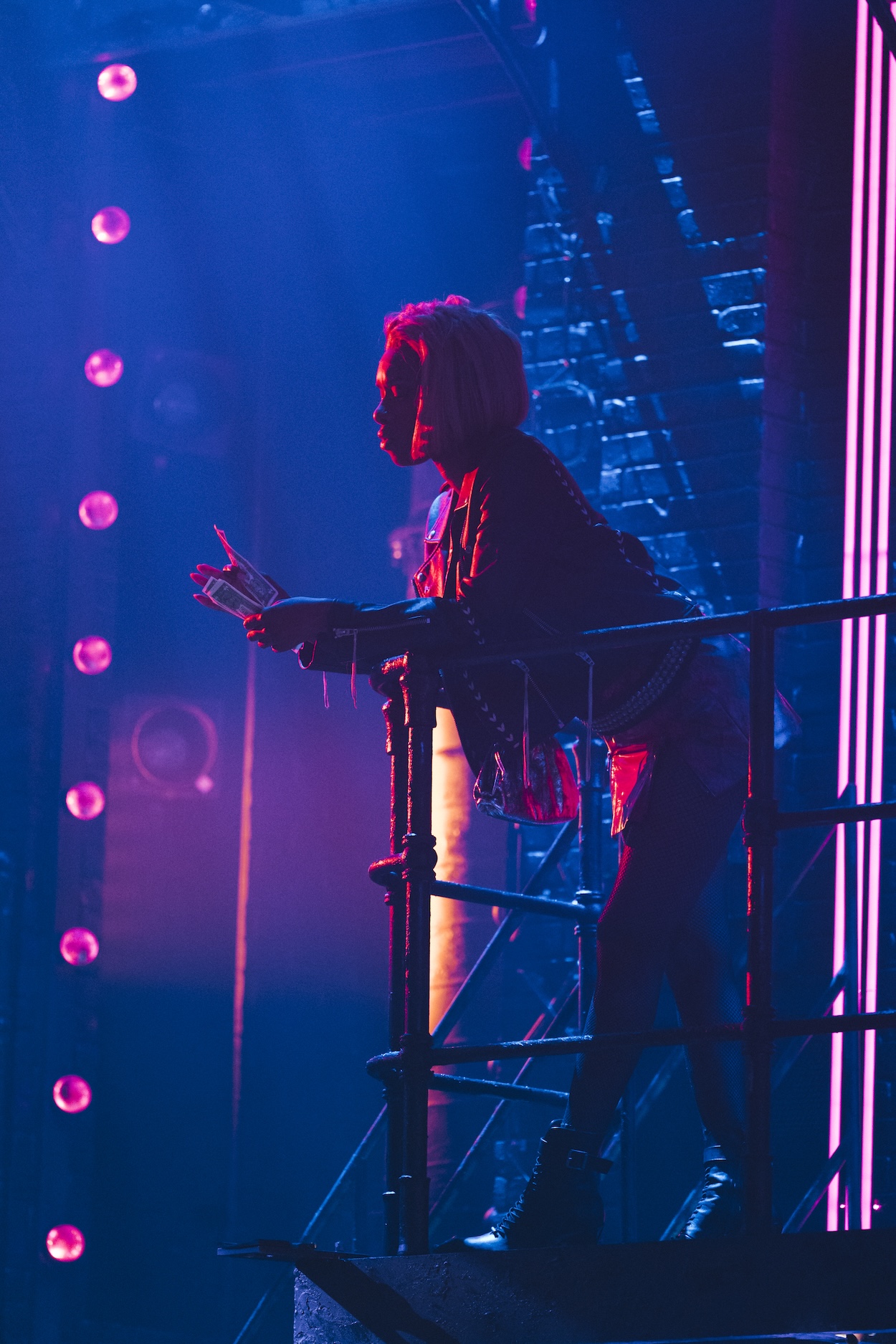
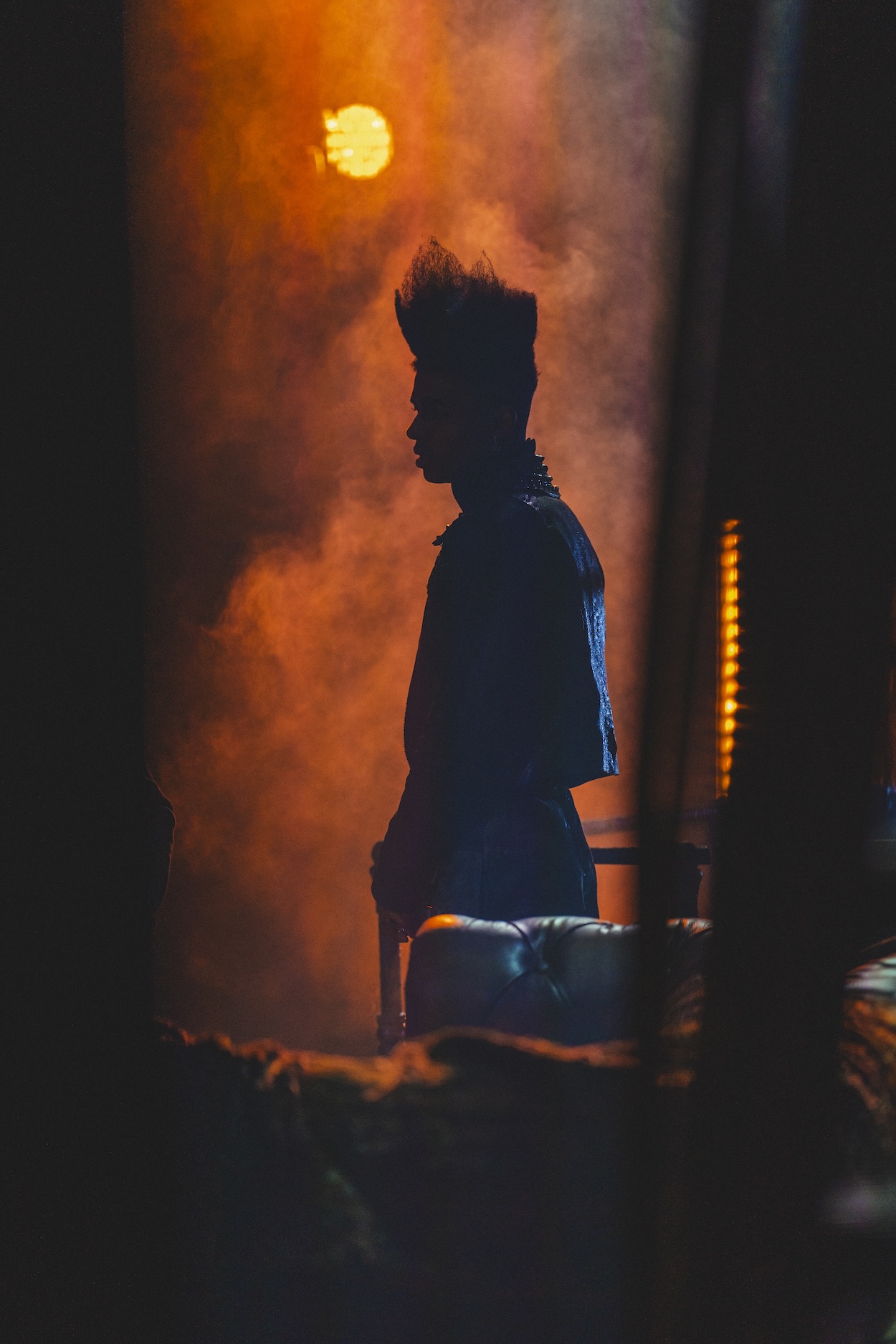
Lighting furthers this—and channels the cinematic feel of the ‘80s, down to a Goonies-like flashlight glow over the audience. It’s a complex marriage of artistry and functionality that often employs selective visibility while delivering an exact mood—whether it’s that of the love story or a sacrifice. “The functionality is the most stressful part of making it,” Schriever says. “You can dream up any type of art you can dream—but it has to work. It has to hide the things we want to hide and focus the eye. The set was a gift. The shell made it doable. There are so many corners you can rely on to reveal. There are so many nooks that can be the compositional background to catch the light or not.”
Alive, the stage also welcomes movement. “We wanted to make sure there was the element of surprise at all times,” Arden says. “With composition, this design really allowed us to do that. It wasn’t the traditional right or left. We had to emerge from the darkness and use verticality and depth. We could blend different locations together by giving the audience a new place to look and turn.” Arden loves to watch the audience follow the movement.
Photo by Avery Brunkus…
Sound, movement, and lighting support one of the musical’s most thrilling sequences—a bike chase. A race is conveyed through simple choreography and effects. “We made a big change in the course of the on-stage rehearsal process. It involved more movement physically,” Laffrey explains. “It didn’t work. We looked at the fact that physically trying to maneuver these people in relation to one another was betraying the illusion. It suddenly felt slower and more earth-bound. We made a pivot, where we based everything around the idea that we needed to move the world around them and encourage the audience to believe in the movement—and the best way to do that was stillness.” The audience fills in the gaps.
Self-described former theater kids, Arden and Laffrey have worked together for years (they were roommates in high school at Interlochen Center for the Arts); similarly, Laffrey and Schriever have collaborated since 2008. “We invade each other’s space in a way that’s necessary for things to feel inextricable.” Arden says of Laffrey. “Dane’s design brain will influence the story direction and my story direction will influence the design. We both want to get to the story. Not just the event of the story but the meaning of the story and the purpose of the story for you as a viewer today.”
Photo by Avery Brunkus…
Arden—who won a 2025 Tony Award for Best Direction of a Musical with “Maybe Happy Ending”—sees this year’s accolades as an acknowledgment of the work of the entire team. “People whose names aren’t going to be in the program, who welded something in a shop and are the reason we’re having this conversation about the details. The seamstresses, the electricians. There’s an enormous amount of craft and an enormous amount of collaboration,” he concludes. “It’s not only the people who built it but the people, nightly, who maintain it so that the audience can think that they’re seeing it for the first time.”
Ultimately, The Lost Boys—much like the stage—centers on home. “We knew the home needed to be the biggest gesture we had,” Arden says. “Every time we come back to the house [during the performance] it is never exactly the same. There is a progression of them discovering it as a place not their own and then making it their own. The hope is that you are feeling that. It begins as comical and creepy and becomes a place really worth defending in the end. That’s a journey and it’s all in the details.”