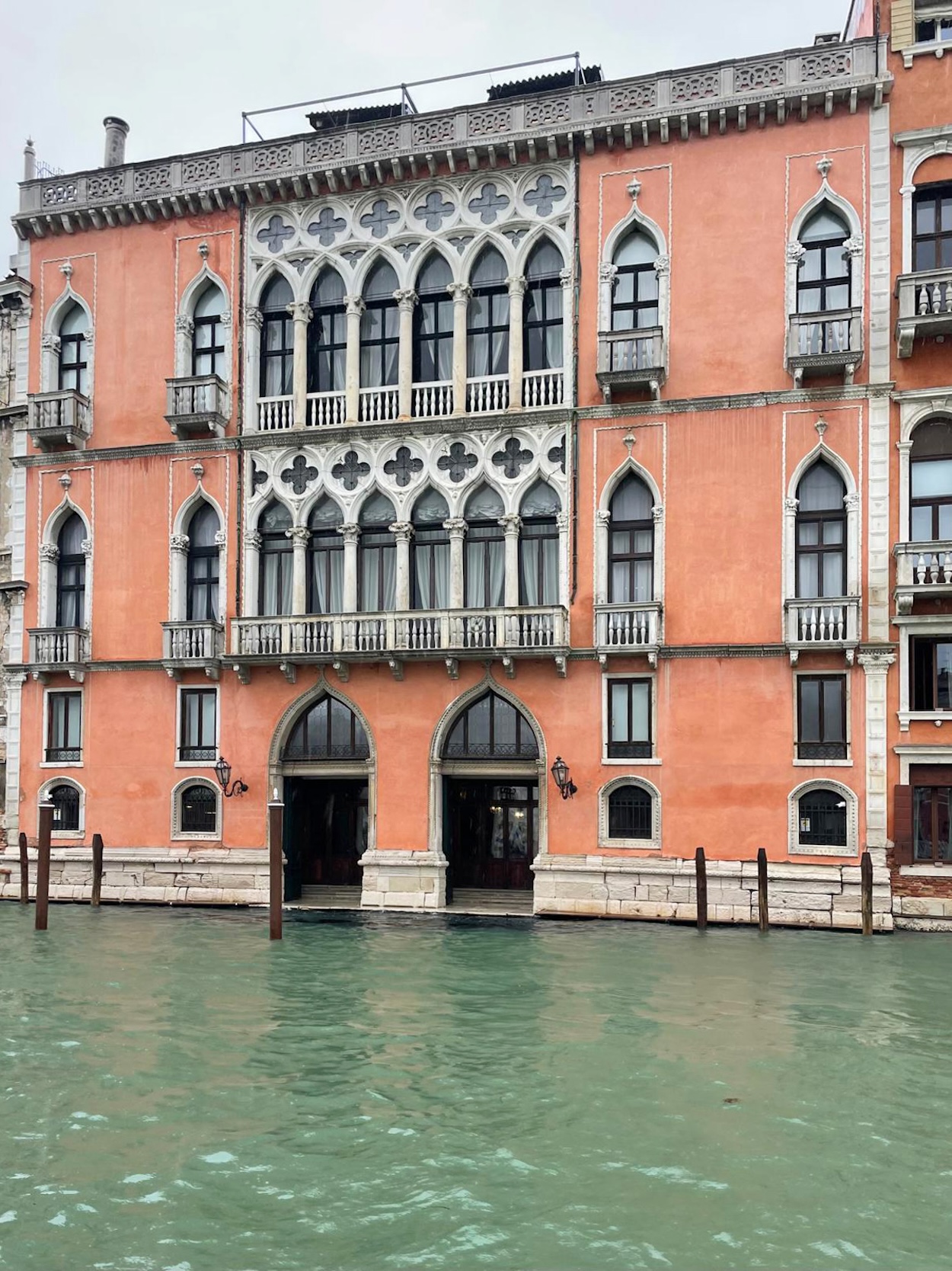
Nearly two years after presenting his final collection and just ahead of this year’s Venice Biennale, the Belgian designer unveiled Fondazione Dries Van Noten inside the city’s historic Palazzo Pisani Moretta. We spoke with Van Noten about life after fashion’s relentless calendar, Venice’s cultural momentum, and the curatorial influence of his centuries-old palazzo.
What role do you hope the foundation will play in today’s cultural landscape?
To hold open the territory between disciplines, where craft, fashion, design, art, and gastronomy can meet without hierarchy. Too often, craft appears as context; the Fondazione wants to place it at the center, insisting the intelligence of the hand is as vital as any other form of creative thinking.
How has stepping away from the rhythm of the fashion calendar changed your creative process?
Fashion has a particular energy—urgent and generative, but also relentless. Now that my work no longer points toward a single moment, it’s less about imposing a vision and more about creating the conditions for things to develop in unexpected ways. I’m more comfortable with uncertainty now than I ever was in fashion.
Courtesy of Virginia Leonard and Side Gallery.…
Throughout your work, beauty often emerges from unexpected juxtapositions. How does the debut exhibition push that idea further?
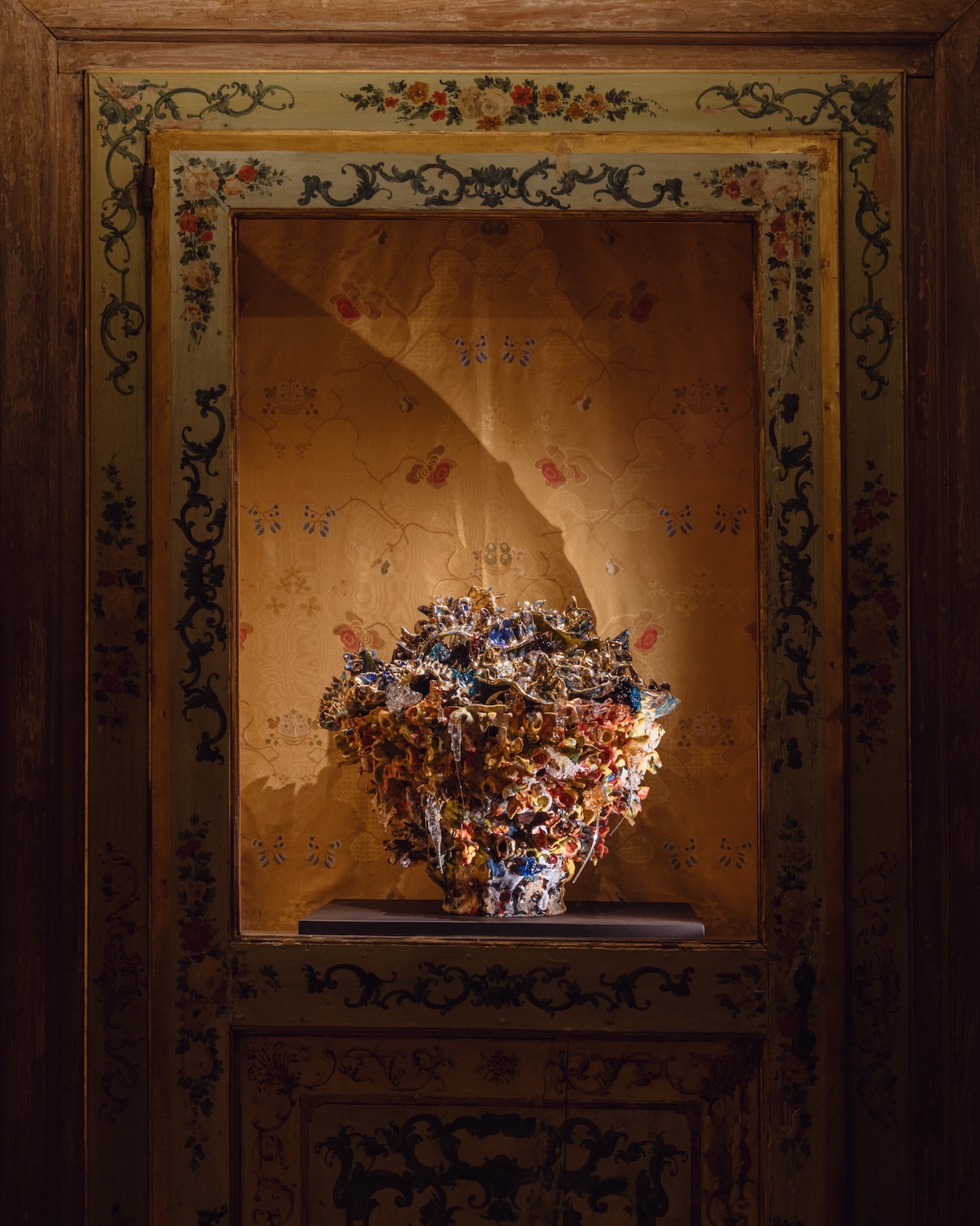
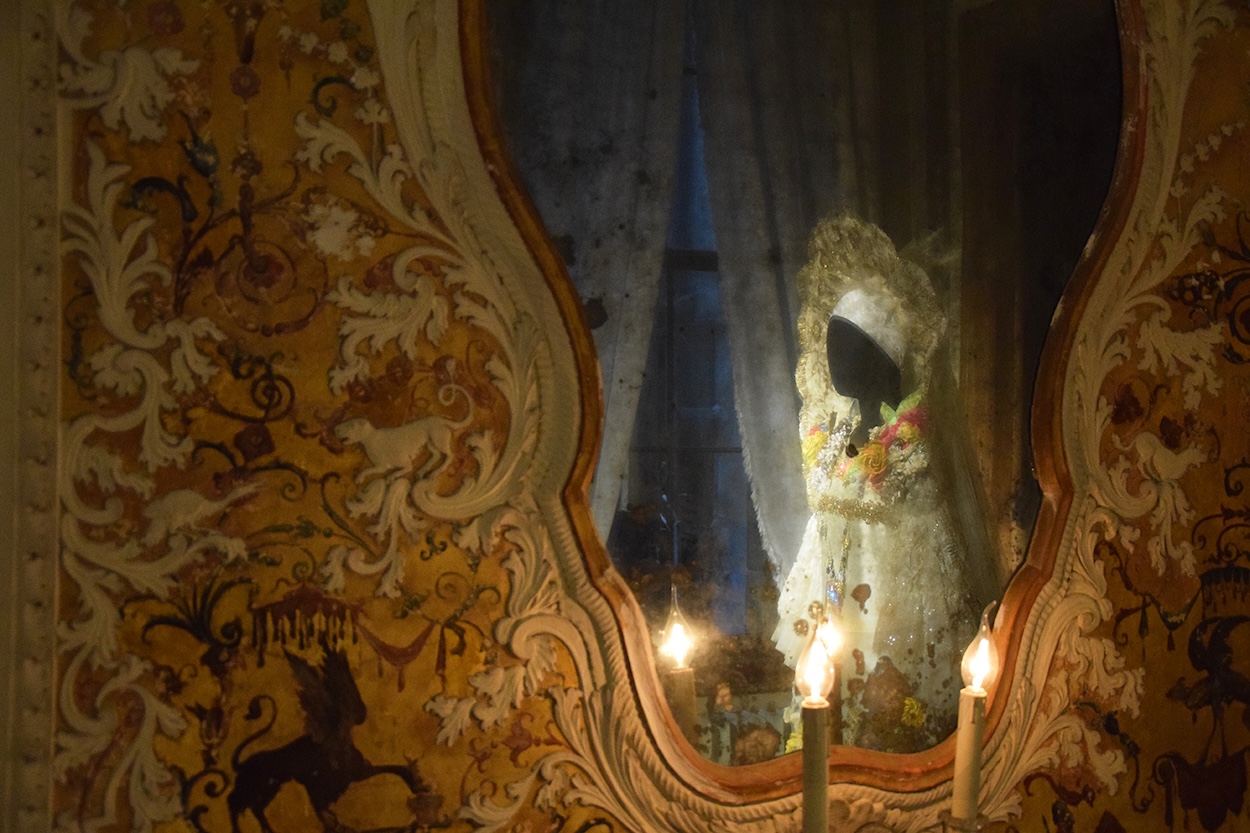
“The Only True Protest is Beauty” is built on the principle that combinations matter more than isolated elements: a piece of glass can speak to a garment; an emerging maker can find unexpected resonance with an established master. This is where beauty stops being decorative and becomes something that demands attention, carries intelligence, and insists on complexity, which is exactly what the world needs right now.
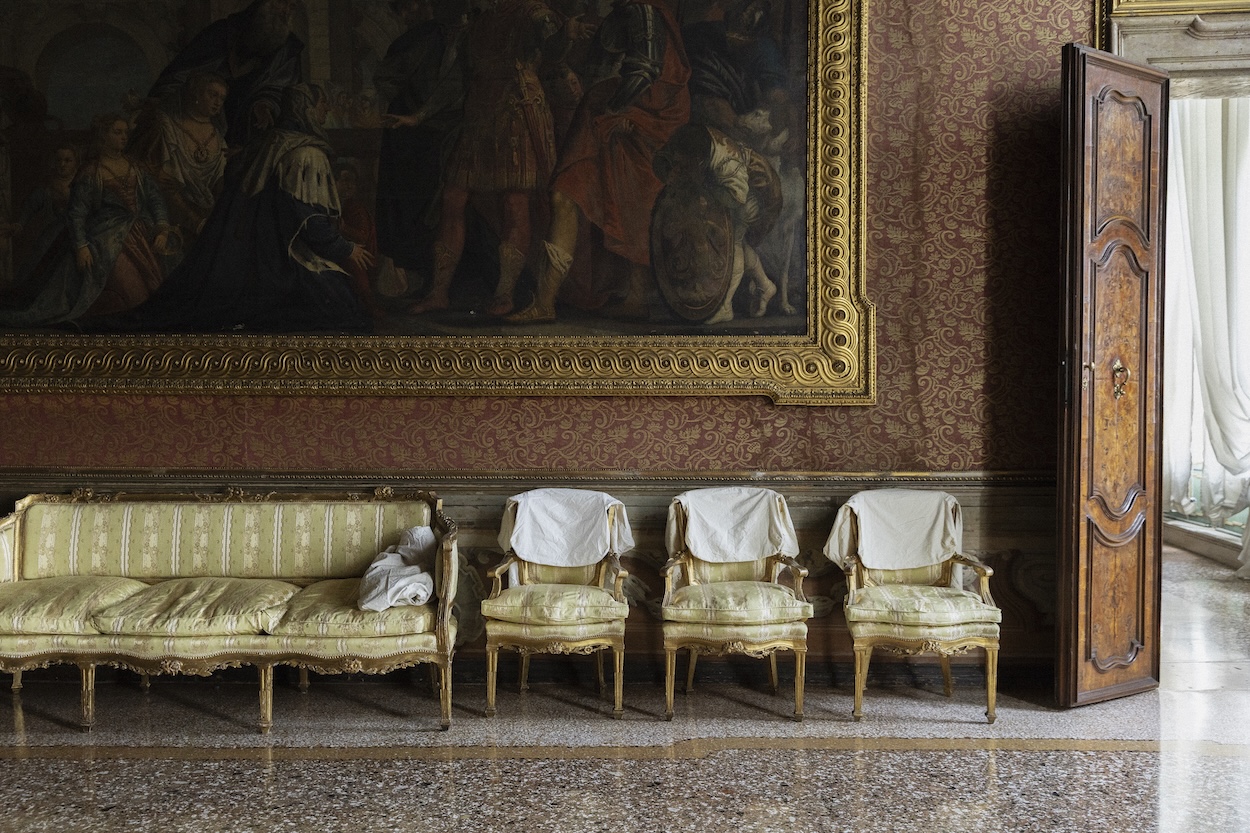
The palazzo’s original frescoes and vintage chandeliers are in direct conversation with the contemporary works. Describe the building’s impact on curatorial decisions.
The Palazzo has strong opinions, and learning to listen to them was perhaps the most important decision co-curator Geert Bruloot and I made. You place a work in a room, and the fresco behind it changes the entire reading. You move something a few feet and the light tells a completely different story. Some pieces that seemed right on paper dissolved the moment they entered the space.
Courtesy of Christian Lacroix, STL group.…
In the past few years, numerous cultural institutions such as Palazzo delle Arti e delle Culture and Palazzo Bottega Veneta have opened in Venice. What’s behind the wave?
Venice has always been shaped by a spirit of exchange, and the physical experience of the city cannot be replicated elsewhere. You move differently here and notice things you’d walk past in any other city. For a cultural institution, the heightened quality of attention is an extraordinary starting point.
The Fondazione’s manifesto says craftsmanship transforms the ephemeral into the eternal. After a career built around seasonal collections, how are you thinking about permanence?
Permanence, for me, isn’t about objects lasting forever. It’s about whether the meaning and attention behind them keep mattering.
Courtesy of Fondazione Dries Van Noten.…
What do you say to people who see Venice strictly as a museum city?
Venice resists that image the moment you stop moving through it as a tourist and start living in it. What surprises people most is how young the city feels beneath the surface. There’s a generation returning to build something here and stay.
Many fashion foundations become archives or retrospectives. Why was it important for the Fondazione to look forward instead?
The Fondazione was never conceived as a monument to what came before, and that distinction matters deeply to me. It has its own reasons for existing, entirely independent of my years in fashion. It’s a place where knowledge is not stored but transmitted, where creativity is not documented but practiced. This is a whole new chapter.