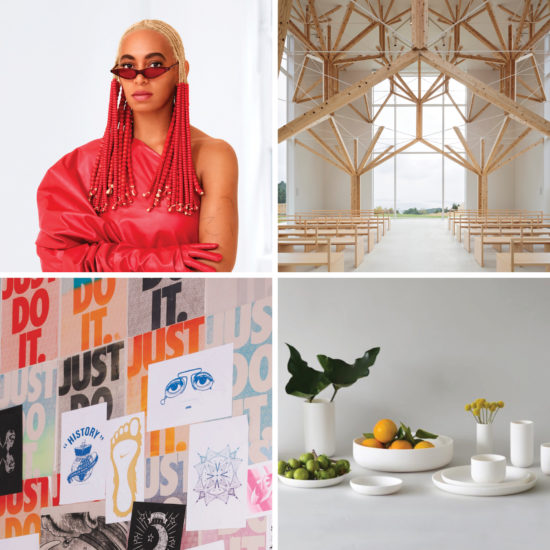
Dr. Maria Geyman’s earliest memories of tea are of her grandmother Babushka Rita’s Brooklyn apartment, its walls covered in art, its shelves crowded with books and inherited tea sets, with the smell of dill and garlic drifting from the kitchen. She didn’t think, however, that those afternoons listening to countless family stories over cups of tea, would eventually shape both a career and her debut book, With Tea. Geyman, a naturopathic doctor and founder of the beloved tea brand Masha Tea, has spent the past decade weaving together different threads: her family’s immigration from Kyiv, her clinical training in herbalism, and a deep love of ritual and design. That work now lives in With Tea, a guide that treats tea as a lens for understanding culture, history, and self-care. In a conversation with Surface, Geyman discusses her grandmother’s influence, and everything she values in tea culture, her creative practices, and of course, her enduring love for tea.
Dr. Maria Geyman on Family, Memory, and the Making of With Tea
The naturopathic doctor and Masha Tea founder discusses her Ukrainian grandmother's Brooklyn apartment, the herbalism behind her blends, and why she wanted her debut book to weave together travel, history, and ritual.
Sofia Quintero September 14, 2026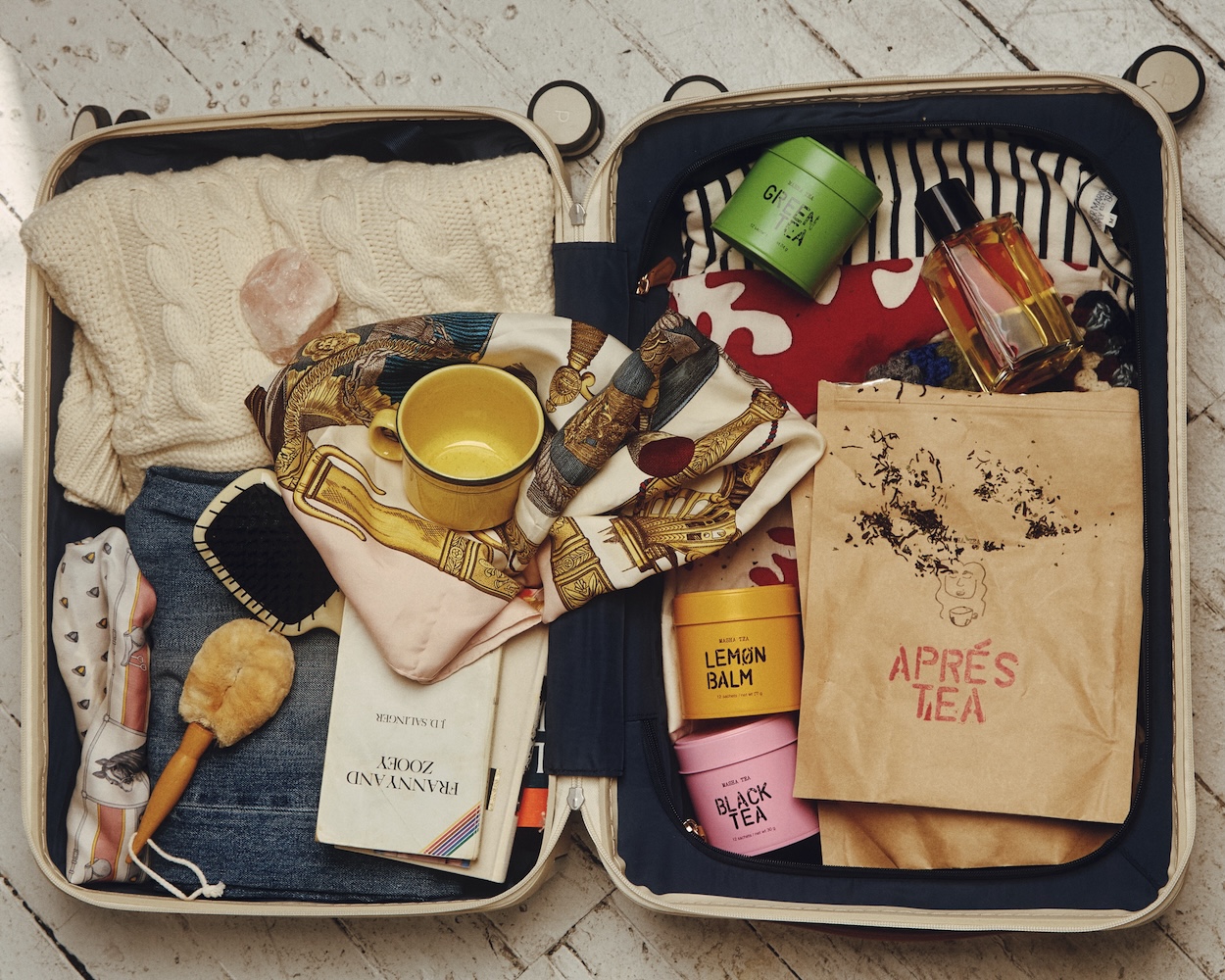
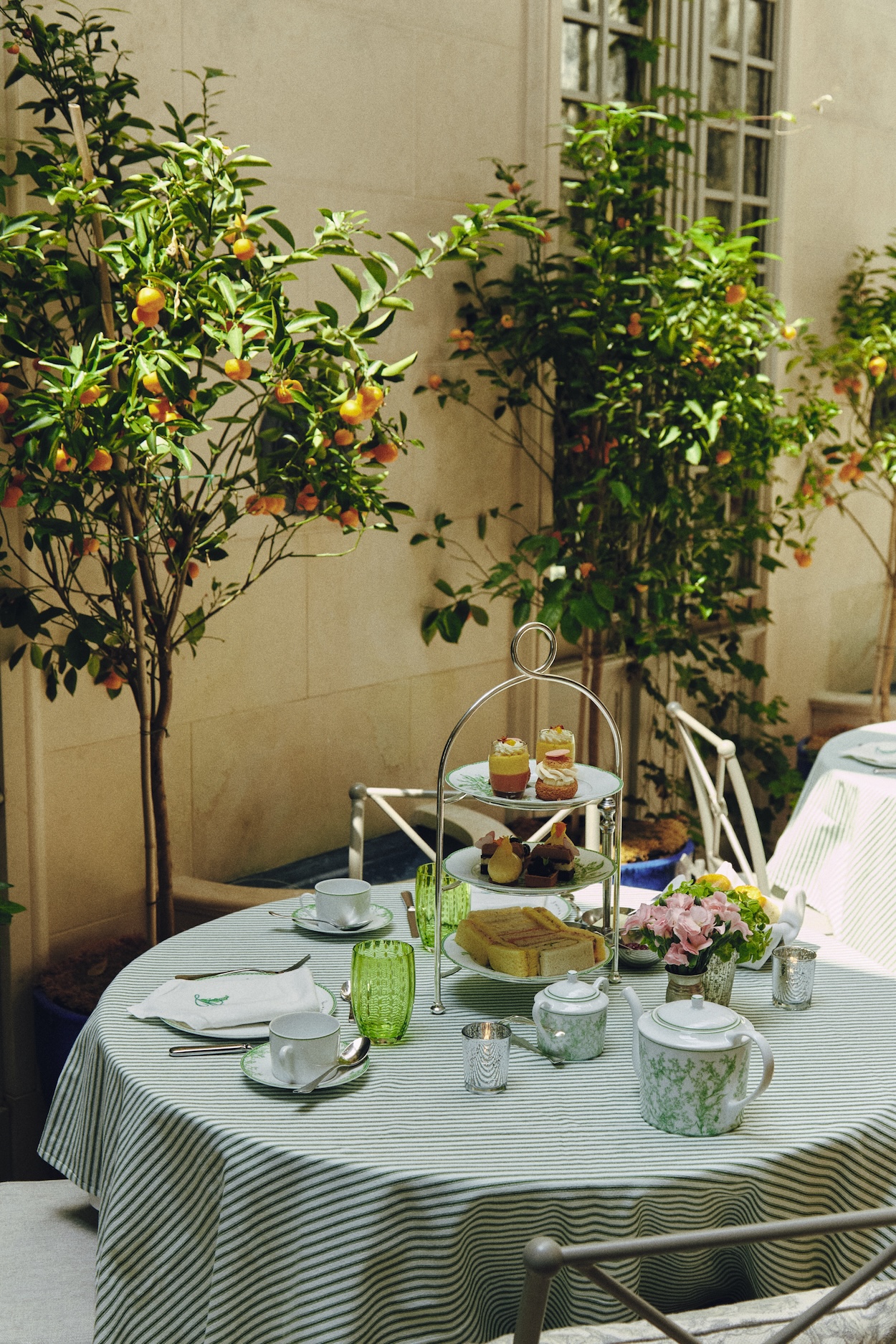
You’ve said your earliest memories of tea are from your grandmother Babushka Rita’s apartment in South Brooklyn. Can you take us back to that space, what did it look like, smell like, feel like.
The front of the building had cute landscaping, maintained by her super, Raymond, who was always really nice to us and lived in the basement apartment with his wife and young kids. They were a young Mexican family. The lobby of the apartment was black and white tile floor, walls, and ceiling and it always smelled clean, but not like cleaning products. She lived in apartment 1, the first door on the right.
My grandmother and my dad would sometimes talk about their family apartment in Kyiv. Filled with books, art, cooking, on the top of a big hill across from the beautiful 18th century St. Andrew’s Orthodox Church (designed by Italian architect Bartolomeo Rastrelli).
I think about her Brooklyn apartment as a contemporary parallel to that life she left behind. Every inch of wall space was covered with art. She always had piles of library books on the table, and on the shelves, art books, tea sets, tiny Russian-Italian-English dictionaries (my family passed through Italy en route to New York (I actually took my first steps on an Italian beach as a baby).
Some details I remember most: she had a big zebra print rug in the living room, a framed postcard of Paris in the bathroom (which now lives in my kitchen), a massive crystal chandelier that my dad bought for my grandparents in Prague and they somehow brought over during immigration, and a bedroom set—sheets and furniture—in pink and ivory. As soon as we came over, my sister and I would race into that bedroom because my grandmother loved frequenting the neighborhood thrift stores and flea markets and would lay out clothes, jewelry, books, figurines for us to choose from her finds from the weeks we had seen her last.
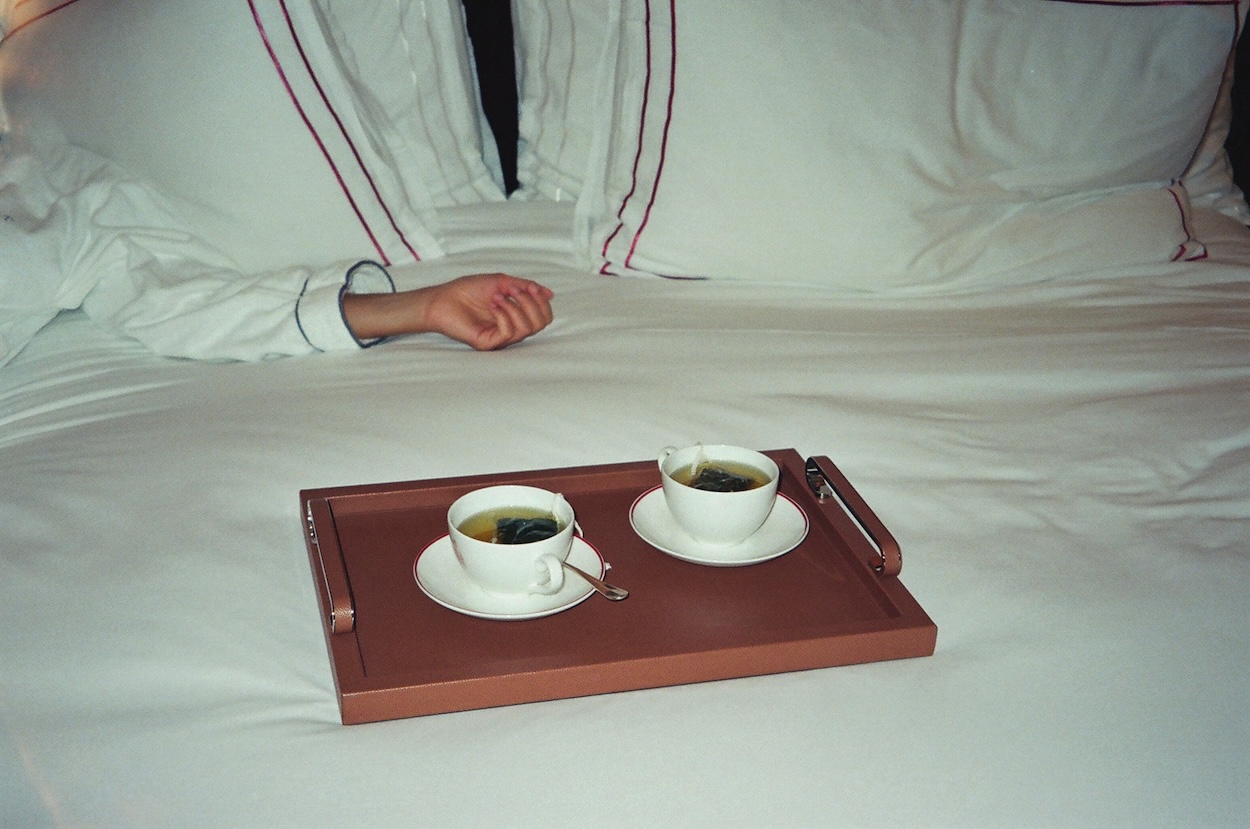
Your family immigrated from Kyiv when you were a baby. How did tea function as a thread of continuity between the Ukraine your family left and the life you built in New York?
In a very material way, they sent all of their tea sets ahead of them during immigration, so I still live with dozens of the family heirlooms. Because of my love for tea, I’m lucky enough to be the one in my family to have these sets. Besides this, my grandmother was a really elaborate storyteller and she loved telling my sister and I what I can only call gossip, about her old friends, family members, boyfriends of youth. This was basically always done over a cup of tea, whether in her Brooklyn apartment, or on the porch of our family’s house upstate in the Catskills where we would spend summers. Tea time often felt long and winding, especially to me as a child. We’d sometimes play dominos or cards for hours drinking tea in the evenings upstate, and it was a time when we would hear those family stories.
With Tea spans three sections: global traditions, home ritual, and health. Which section came most naturally to you to write, and which took the most research or reflection?
I most enjoyed the narrative parts of the book, which are woven throughout but mostly in the first two parts. The herbal compendium took the most research because it’s a reference tool, so I wanted it to be clear and concise. I learned the most when digging deeper into the history of tea in Eastern Europe. Many tea history books understandably focus on China, and then the expansion of tea in colonial India. Part of what makes tea history so interesting is that it literally is a way to understand globalization and trade. I wanted to focus in on Russia—a meeting point between east and west and it was fascinating to learn how Russian Caravan tea is so named because tea was first brought there via caravans of oxen or camels through parts of the desert in China, where it was then transferred to sleighs in Siberia and sent further west. In a way, it feels so unnecessary, for lack of a better word, to go through such effort for a beverage that doesn’t really hold significant nutritional value and isn’t overtly intoxicating, and yet, people did it! The caravan tea is in contrast to tea that went to England from China—which was done by sea. Caravan tea was said to be of much higher quality because the weather on land was better for tea than on ship, but I digress.
At what point did you realize that this childhood ritual could become a career and, eventually, a book?
I started Masha Tea kind of as an art project. I drew the logo, designed the packaging myself, and it was all a really fun idea. I think I realized that it could become a career once the teas landed in Vogue gift guide, unbeknownst to me (my sister sent me the article—it was something like “best holiday gifts based on astrological sign” written by Laura Regensdorf with astrologer Chani Nicholas) and the teas were listed as a gift for capricorns. I didn’t even have a website yet and was working in my naturopathic practice, but that article made me think, “maybe there’s something here.”
You’ve described wanting to build “a fun, thoughtful, and sensual tea culture worldwide.” What does that culture look like in practice?
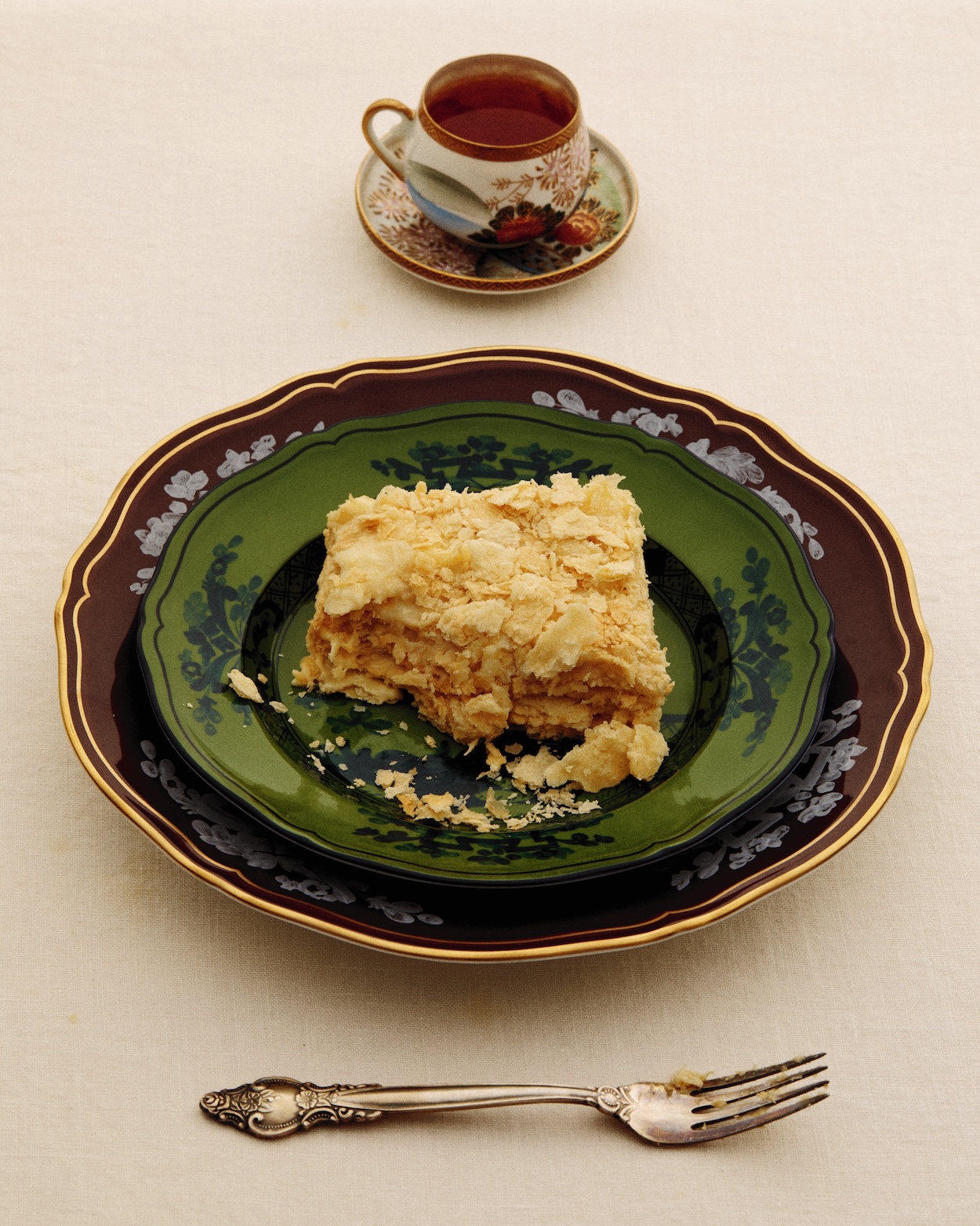
Tea culture can be a form of self expression and style—there are so many elements—from teaware to taste. I write in the book about how I believe that the best aspects of tea culture in New York City are in people’s homes, whether it’s the integration of tea traditions passed down through ancestry, to a collection of funny diner mugs, to an overstuffed tea drawer full of collections found in travels. Unlike coffee shop culture, or even now matcha culture, which basically is an extension of coffee culture in the U.S., the way that we drink tea is more akin to the way that we look at personal style or taste in art—it varies for everyone.
How do you balance the clinical, evidence-based side of naturopathic work with the more sensory, ritualistic, and cultural side of tea that the book explores?
This is difficult to balance! In clinical practice, naturopathic medicine is evidence-based and it is also personalized. So if I was working with two different patients with the same issue, their treatment plans would inevitably vary. Whereas with making teas, the idea is more, what would everybody, or what would most people, like. To be honest, I’ve stepped away from the clinical side of naturopathic medicine to focus on my creative practices, tea and writing, working in my naturopathic expertise when I work on consulting projects with clients, or in my own work. For me personally, I decided that I’d rather commit to the sensory and cultural work that my book explores and apply that to broader consulting and creative work. The entire third part of With Tea is on health and beauty, and can hopefully serve as a guide for people looking to integrate natural medicine into their daily routines.
You’re a board-certified naturopathic doctor. How did that training shape the way you think about tea; not just as culture, but as medicine?
This expertise shaped Masha Tea and also my perspective on teas in a few different ways. First of all, it informs my sourcing and ability to discern quality when looking for herbs and teas. I also have a unique style of blending teas, one that’s informed by both my training in herbalism, but also the more aesthetic, joyful background that comes from my family. On the herbs side, I know that there are many different plants that might achieve a certain “end,” like for example, decreasing stress, but for a tea, I might choose the herb that tastes the best, or is most accessible so that it doesn’t taste medicinal per se.
A large part of the concept for Masha Tea was blending my love for teaware and accoutrements which I had previously used only for black tea with milk and honey, with a knowledge that was new to me, of different categories of plants, flowers, and trees, all which could be brewed as tea.
Why did now feel like the right time to put this knowledge into a book, rather than continuing to share it through Masha Tea or your editorial writing?
This book is a collection of my work over the past decade. It integrates the naturopathic approach to health and beauty, spans my travel writing (both personal and editorial), and also is a reflection of the visual world that I hope to create with Masha Tea. I felt there were many disparate parts to my work and that it was time to weave them together. I’ve loved books and have been an avid reader since I was a small child—I’ve always wanted to write a book. The time was ripe for my first book to be a compilation of the work I’ve done to this point.
What do you hope someone who has never thought seriously about tea takes away from this book?
I think that because most Americans think of tea as some dust that comes in a little bag, people forget that tea is a plant that farmers thoughtfully care for and grow. There are so many steps involved in getting something like a cup of tea into your hands. Besides sun, soil, and water and all of the other elements that go into making plants grow, it then needs to be processed, dried, shipped, packaged—all of which are intentional steps that somebody had to think through. On top of that, there are so many areas of intentionality—herbal or caffeinated, porcelain or glass, milk or lemon, dessert? And so on. I think that tea culture can be a way to look at our daily rituals with more intention.