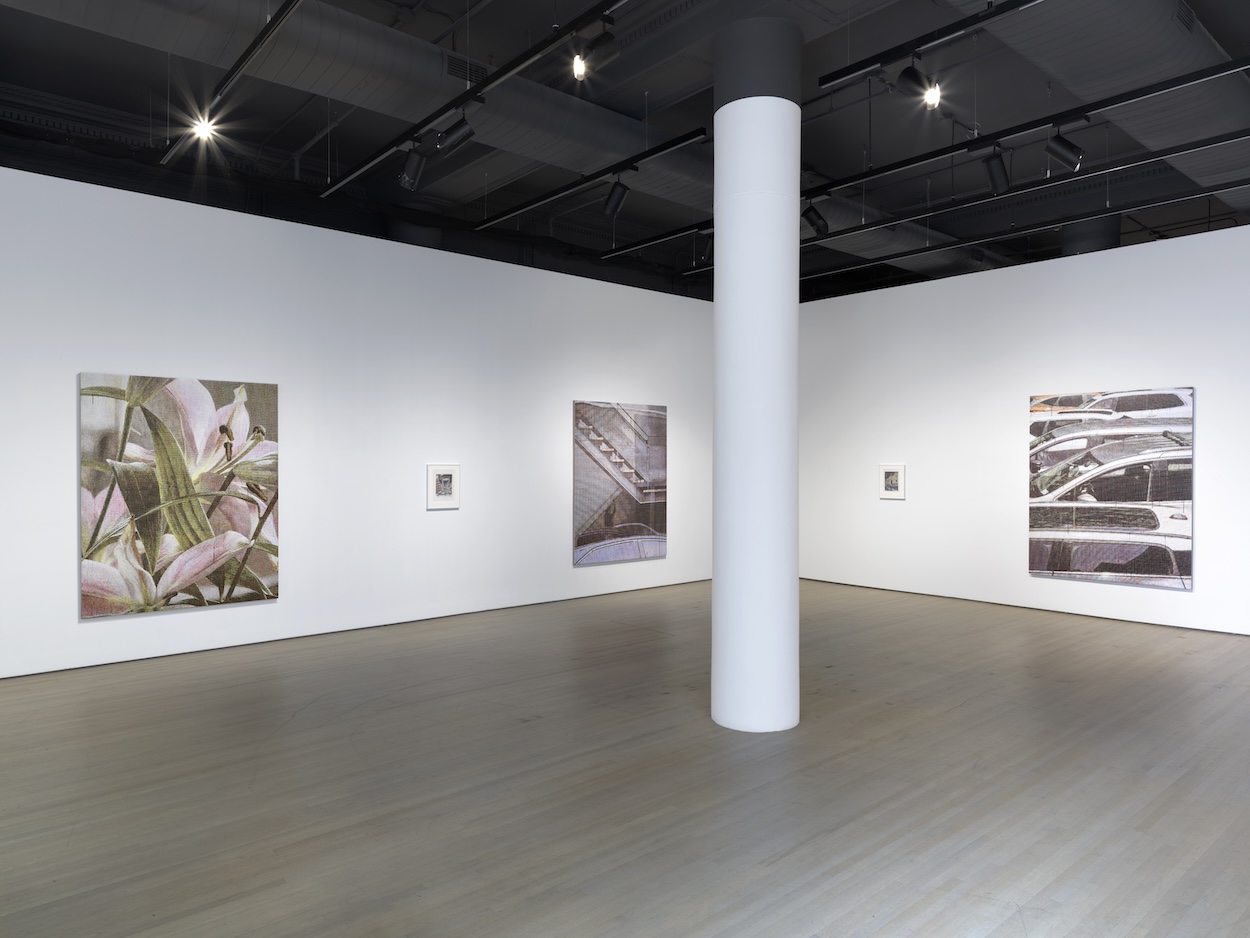
Inside 125 Newbury—a Tribeca space led by Pace Gallery founder and chairman Arne Glimcher—the paintings and drawings of New York City-based fine artist Asher Liftin transfix and perplex. Photographic in nature, each meticulously hand-painted piece in the exhibition, titled “Recent Work,” dissolves into a matrix of cyan, yellow, magenta, and black as viewers approach. Imbued with the histories of divisionism and pointillism, these works are something beyond—something singularly Liftin, furthered by self-imposed constraints, a layered process, and entropic evidence of the artist’s hands (a bolder drip here, a drizzle there).
The Perspective and Process of Artist Asher Liftin
From a summer residency at The Watermill Center to the autumn opening of “Recent Work” at Pace Gallery’s 125 Newbury location, and a feature in Pedro Almodóvar’s 2026 film, “Bitter Christmas”
David Graver October 05, 2026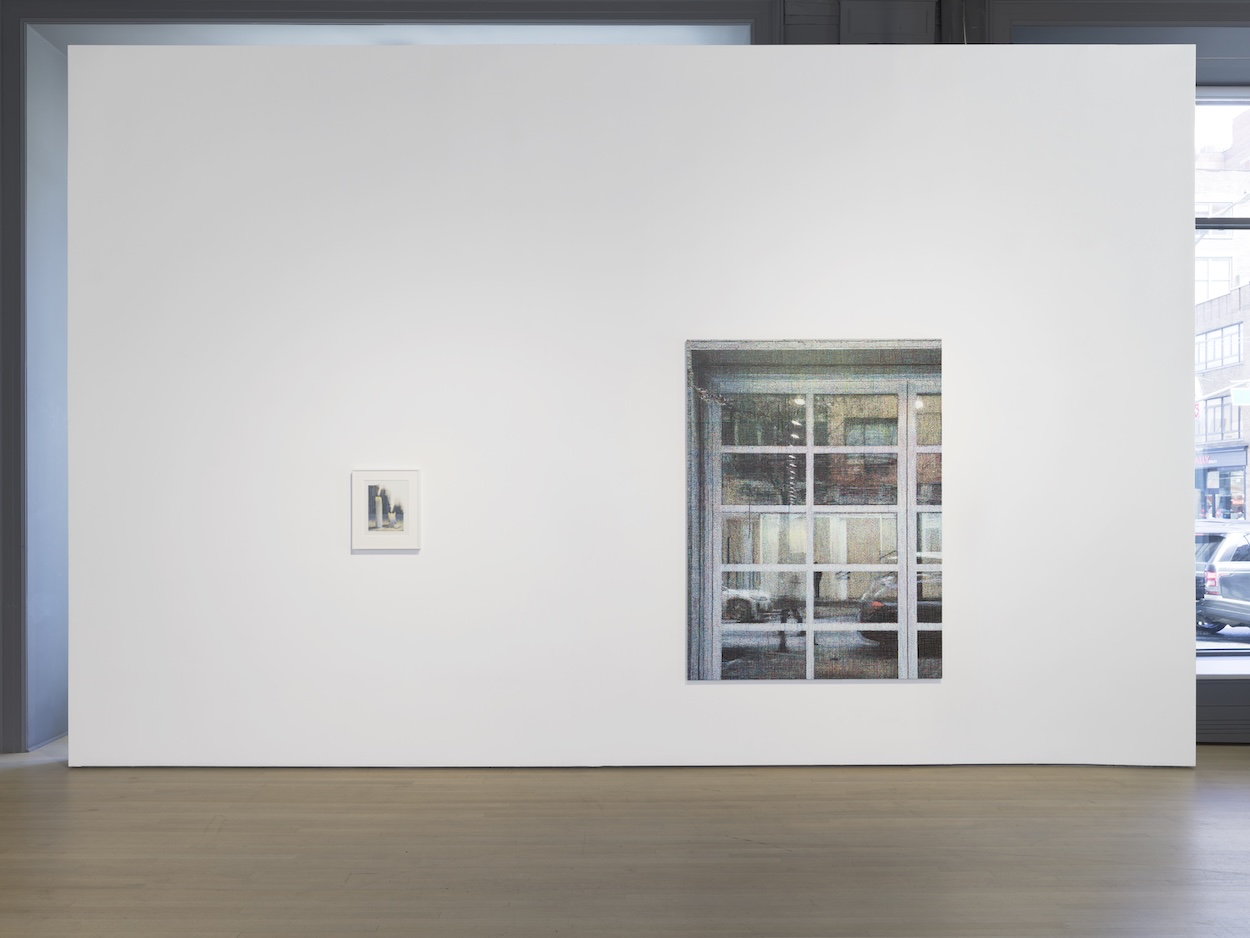
Asher Liftin: Recent Work 395 Broadway, New York, NY 10013 September 18 – October 31, 2026 Photography courtesy Elisabeth Bernstein
…
Asher Liftin: Recent Work 395 Broadway, New York, NY 10013 September 18 – October 31, 2026 Photography courtesy Elisabeth Bernstein
…
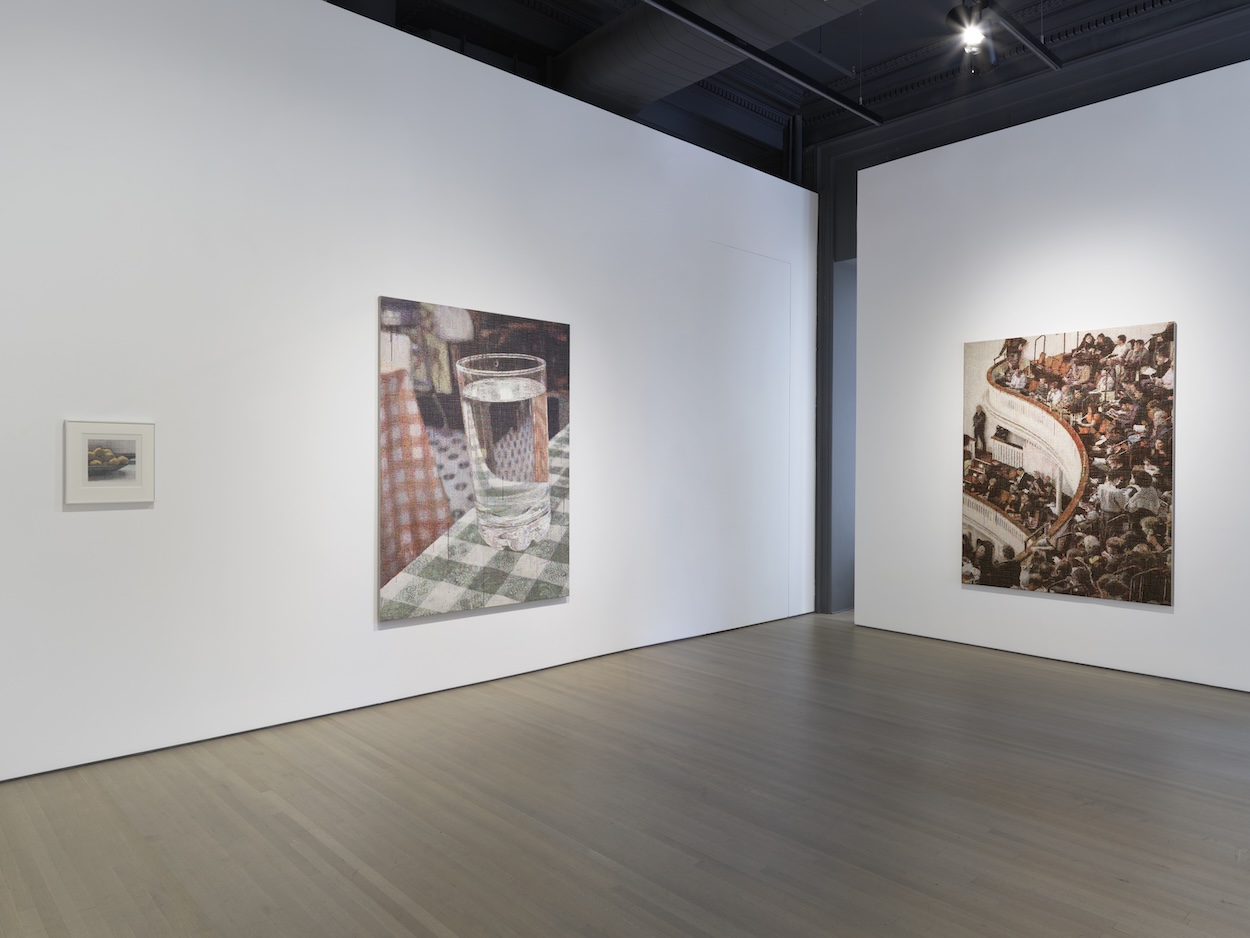
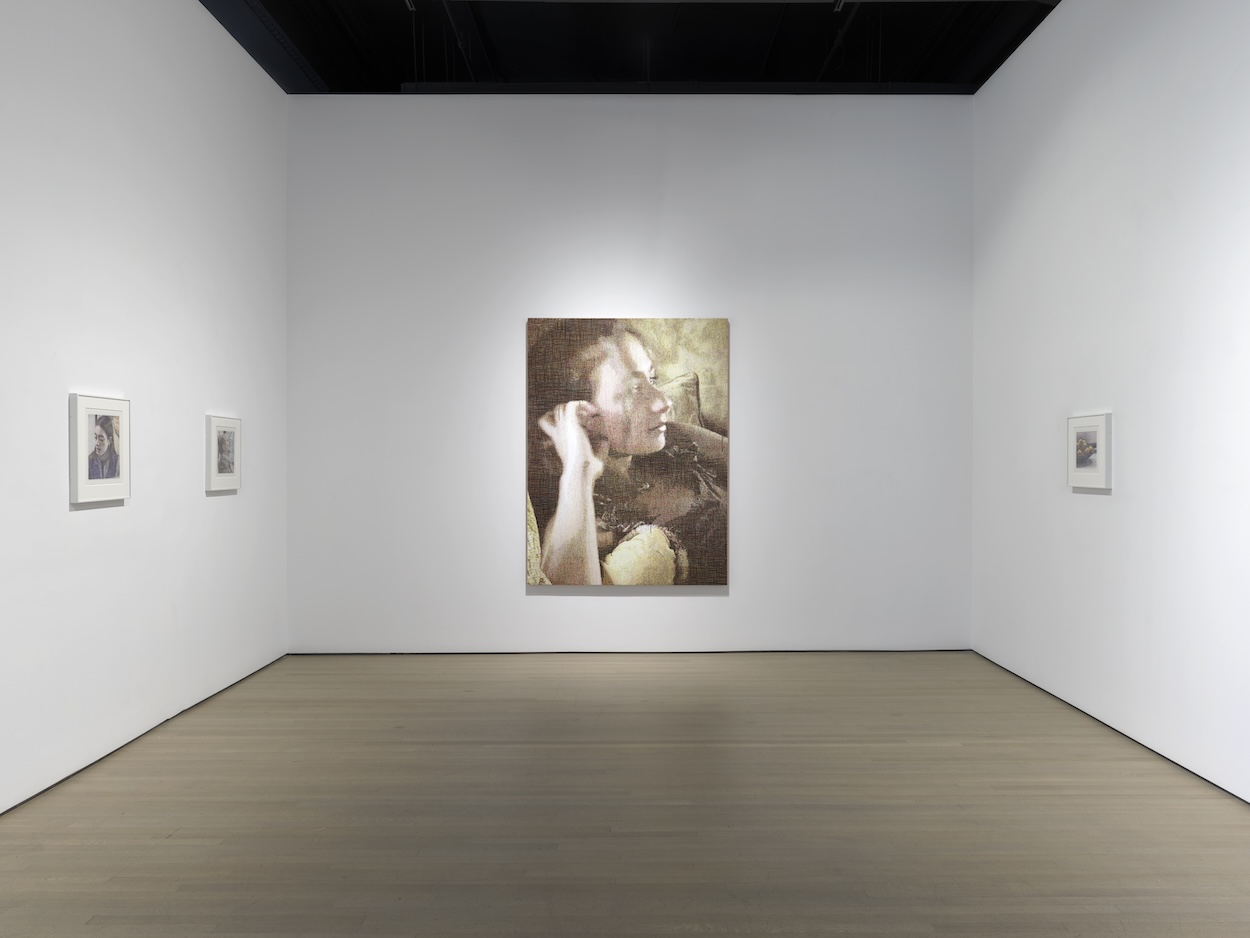
Liftin entices viewers with perspective and process. The former is composed of portraits and still-life scenes—often intimate, sometimes curious—which begin as photographs taken by the artist. The latter he derived from frustration with the lack of constraints he felt with oil painting. “I searched for a way to create a method for building pictures that would mirror the way our minds process information,” he tells Surface. “I found a way to use tiny abstract bits to create transparent layers that eventually arrive at an image that carries more complex abstract meaning.”
Asher Liftin: Recent Work 395 Broadway, New York, NY 10013 September 18 – October 31, 2026 Photography courtesy Elisabeth Bernstein
…
“Everything in the painting is hand-painted. The thrill of the process and what makes the final painting is the way the hand and inks struggle against a system of rules and constraints,” Liftin adds. “Each droplet of ink is unique, drips escape the image and run free down the surface, pigment pools unevenly within the individual lines. The material qualities of painting assert themselves against the control of the digital image and that is what brings the painting to life.”
Asher Liftin: Recent Work 395 Broadway, New York, NY 10013 September 18 – October 31, 2026 Photography courtesy Elisabeth Bernstein
…
Liftin says Glimcher, who also penned an introduction to the exhibition in the gallery’s 125 Free Press publication, provided a needed curatorial perspective. “When all the works for the exhibition were completed I had spent so much time with them that I could no longer see everything properly or imagine how it could fit together,” he explains. “When we installed the exhibition, I arrived in the afternoon to see they had hung the entire show that morning. When I entered the gallery I could see the paintings again as if I had not made them. It was like seeing the work through his eyes.”
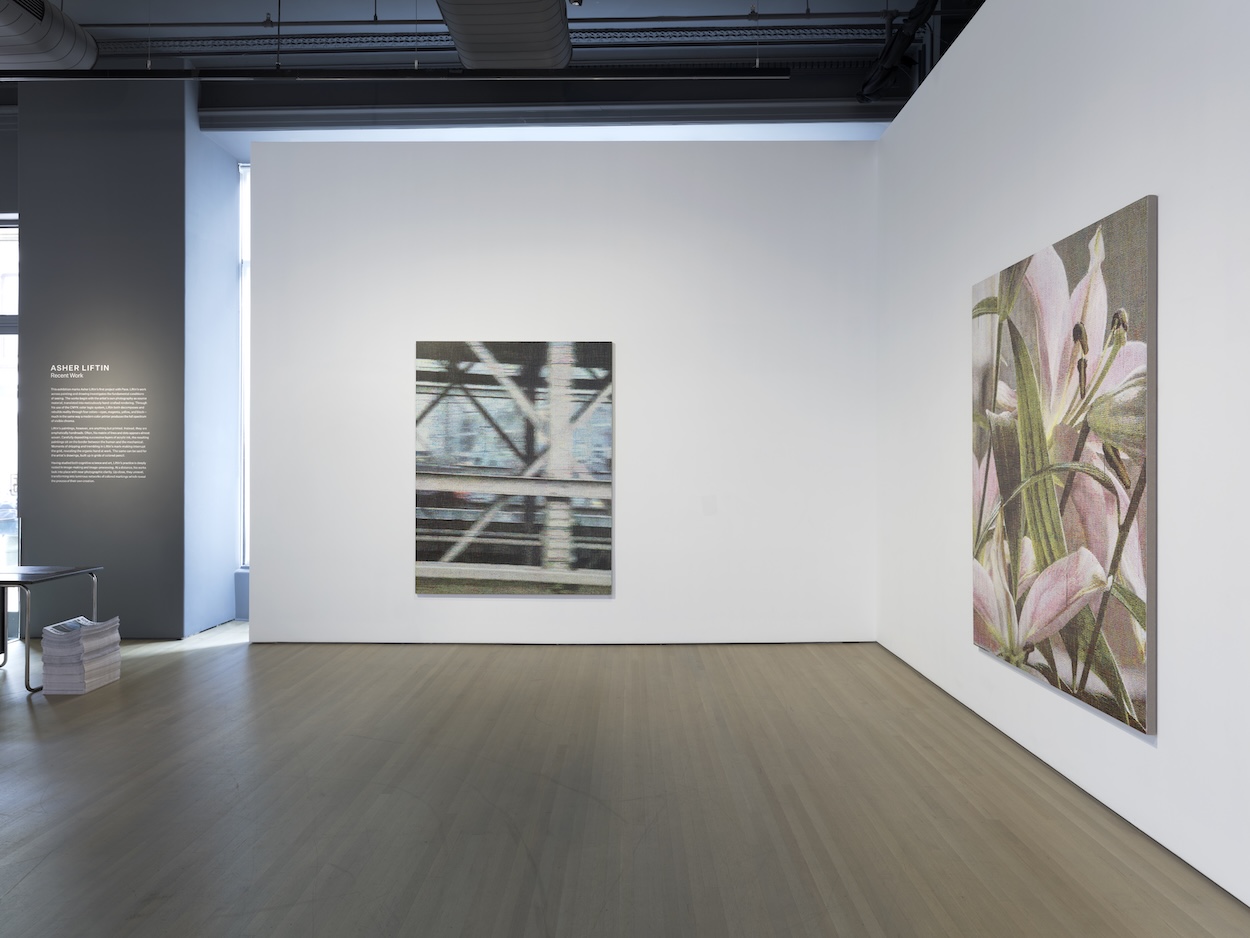
Asher Liftin: Recent Work 395 Broadway, New York, NY 10013 September 18 – October 31, 2026 Photography courtesy Elisabeth Bernstein
…
Glimcher, who described the installation process to Liftin as more difficult than others, positioned drawings between paintings. “This allows the paintings to have individual presence, but also removes the typical hierarchy of paintings over drawings,” Liftin says. “My drawings have never been studies for paintings and sometimes the same image in drawn form will follow the painting, as happens multiple times in this show.”
“Recent Work,” which runs through October 31, requires carefully considered viewing—a slow pace and a committed eye. “The paintings come together and fragment as you move through the room. The drawings pull you up close,” Liftin says. “The images don’t need to be literally interpreted, but I think if someone just takes the time to really look at them they will find the value in the act of looking. So much of what is created today is about the transmission of information, and the information as the image in the paintings is just where they begin. The gap between the photograph and the final painting is where all the magic of painting is.”
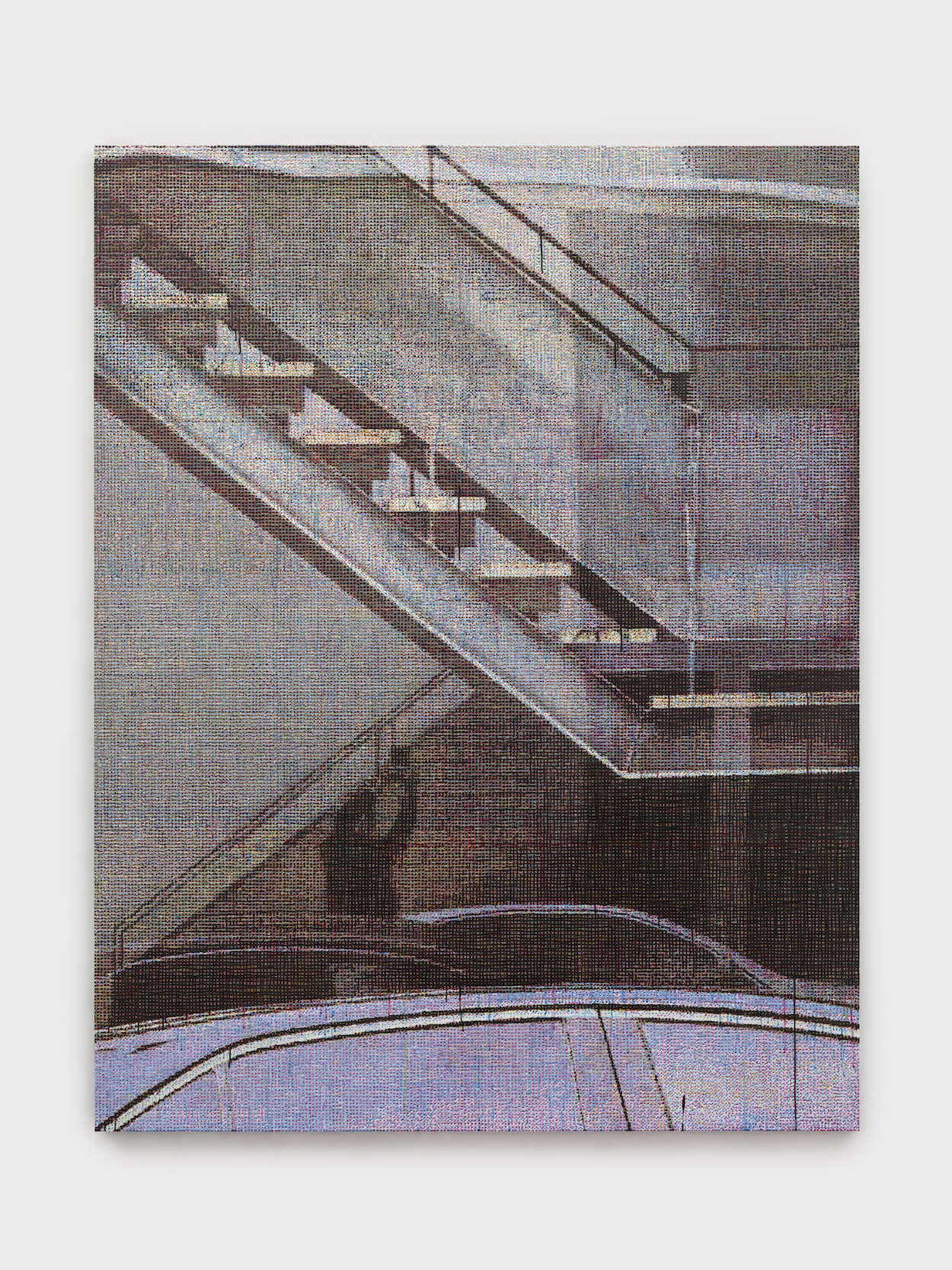
Asher Liftin, Glass Pane, 2026 PAINTING acrylic ink and acrylic paint on linen 86" × 66" (218.4 cm × 167.6 cm) No. 99839 © Asher Liftin, courtesy Pace Gallery
…
This summer, Liftin accepted a residency with Robert Wilson–founded Hamptons art organization, The Watermill Center, as he neared completion on the 125 Newbury pieces. “I arrived with no plan of how I was going to spend the time there,” Liftin says. “What I was hoping to find in the experience was to let go and see what I would make in this very different environment. The residency allowed me to create more questions to be explored in future projects than neatly tie up the current exhibition.”
On Tuesday, Liftin will achieve another artistic milestone. His painting Studio Window IV (Hot Winter Sun) will appear— several times—in the Pedro Almodóvar film Bitter Christmas (Amarga Navidad) as it makes its U.S. premiere during the New York Film Festival. It’s a kismet connection for an artist whose first pieces, watercolors, debuted within Wes Anderson’s 2012 motion picture, Moonrise Kingdom, when Liftin was only 12 years old. Much has changed since, and Liftin gives reason to believe that much more will transpire as he explores the depths of his skill.