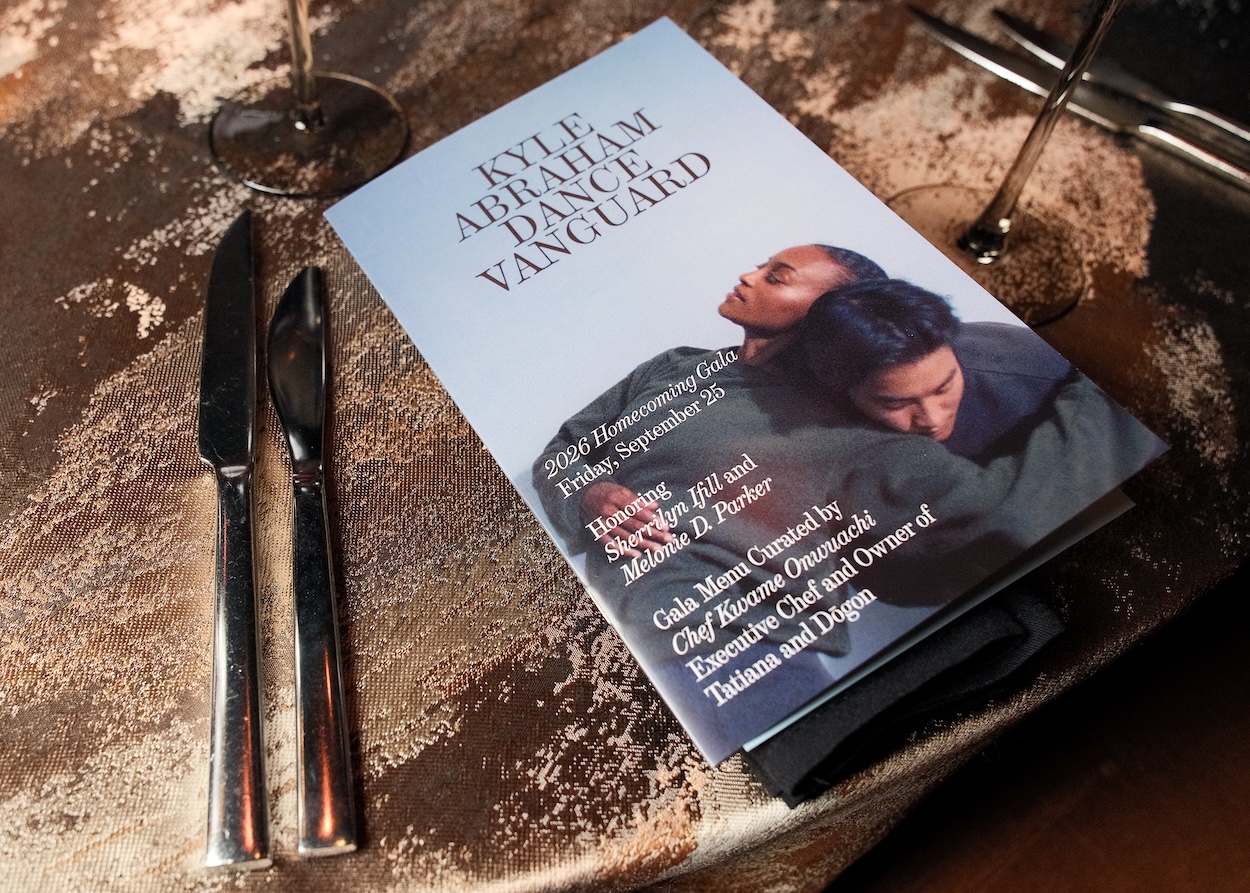
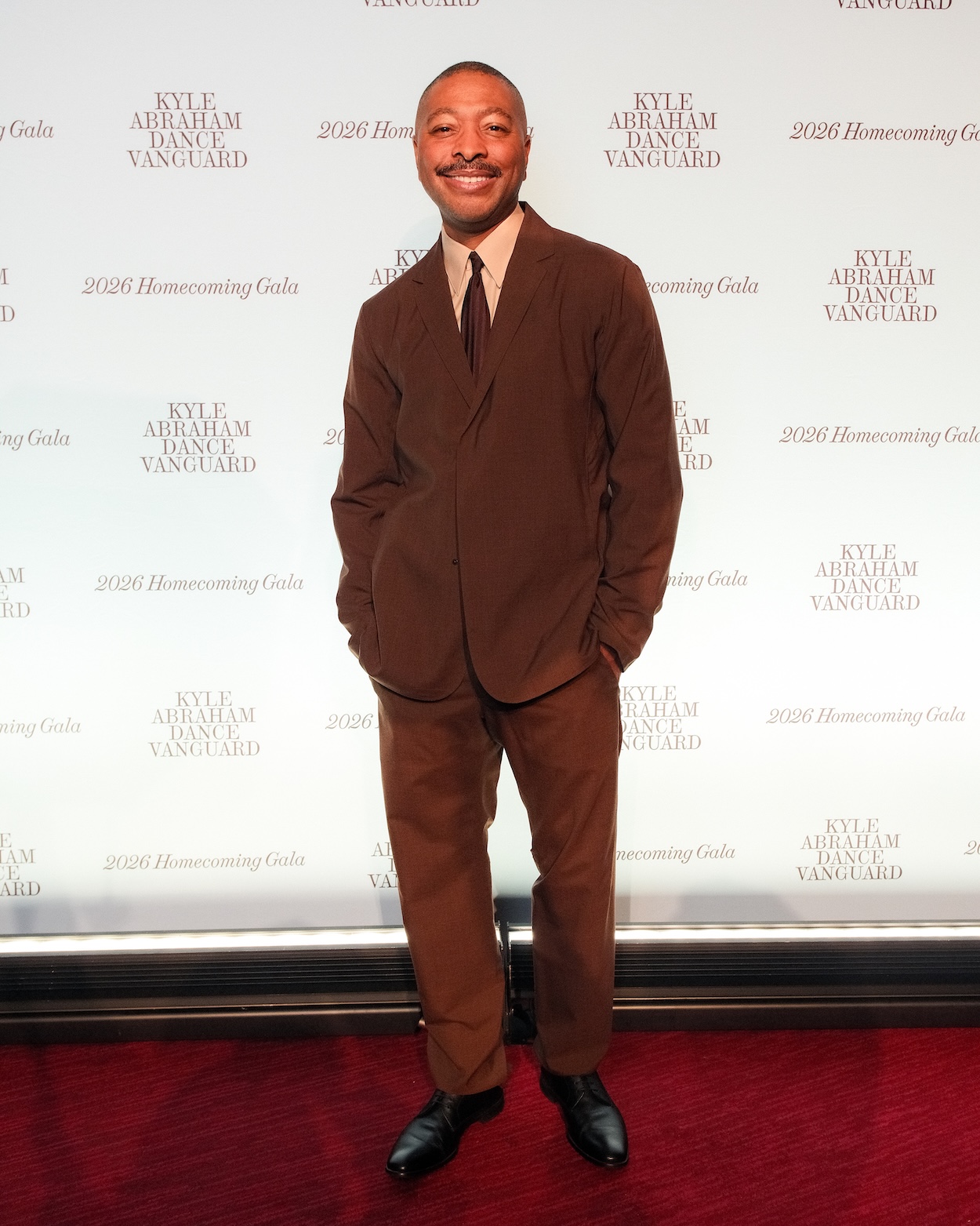
After 20 years as A.I.M by Kyle Abraham, the contemporary dance company is stepping into a new chapter, and a new name. Kyle Abraham Dance Vanguard marks not just a rebrand, but a reimagining of what a company can be, an ecosystem built to sustain the artists who create them. Abraham, recognized as one of the leading American choreographers of his generation, founded the company in 2005 and has since built one of the most robust touring schedules in contemporary dance. The company has also become a leading figure for artist care, offering dancers 52-week salaries, benefits, and royalties in perpetuity for their contributions to new work. “There’s an energy and a fire that’s been ignited or unlocked in me,” he says of the shift. Abraham sits down with Surface to discuss the thinking behind the name, the identity, and what he hopes stays exactly the same.
Kyle Abraham's New Vision for Kyle Abraham Dance Vanguard
As A.I.M by Kyle Abraham becomes Kyle Abraham Dance Vanguard, the choreographer talks evolution, artist support, and what comes next.
Sofia Quintero September 29, 2026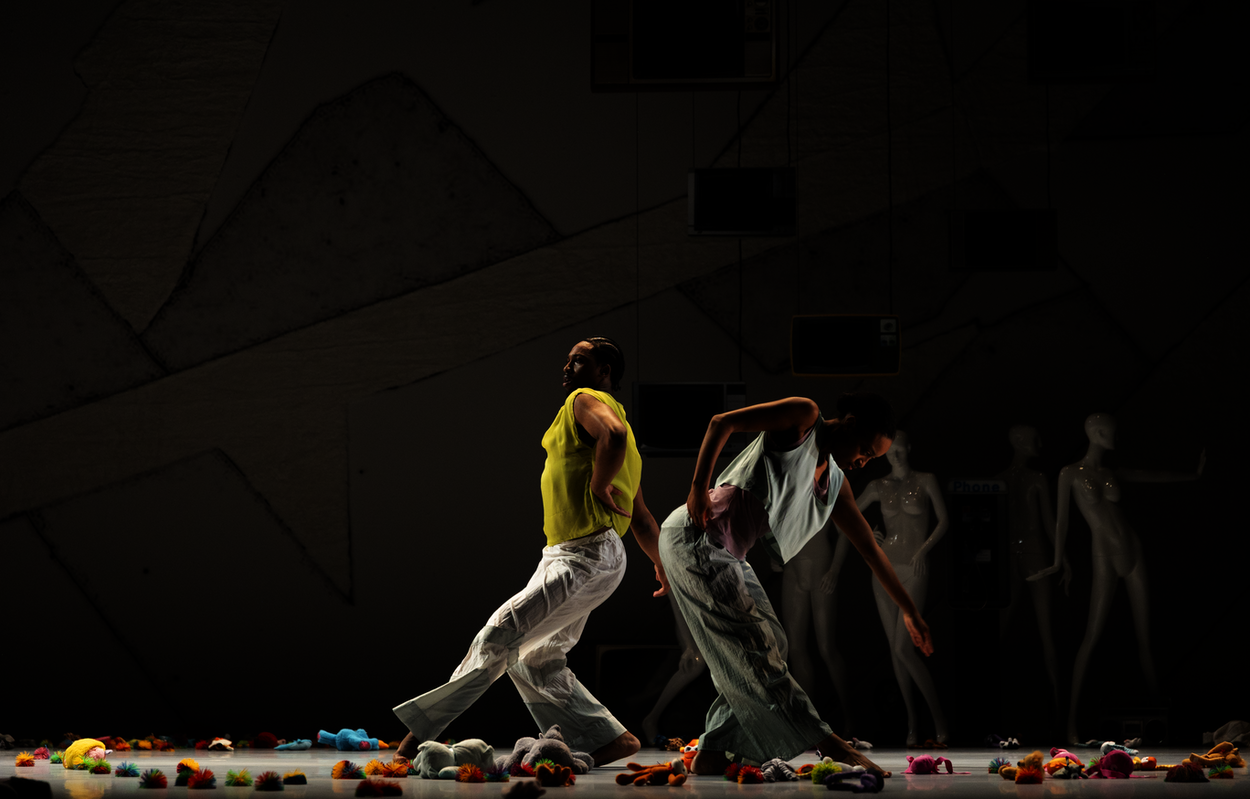
Why did this feel like the right moment to evolve the company’s name and visual identity and what did you want this new identity to communicate that the previous one no longer fully captured?
I’ve been in a space of focusing on what I can do, not what I can’t. And that focus, along with a stellar team of collaborators, has really been motivating and changemaking. It just feels right to mark this change and this unified fire with a new chapter and a new identity.
The word “vanguard” carries ideas of experimentation, leadership, and pushing a field forward. What does that word mean to you, and how does it reflect where you see the company going in this next chapter?
For us, we’re really thinking about both the idea of a unified force and an inspired call to action…one that motivates us to think and work in new ways. As an organization, we want to not only push the field forward, but we also want to make space and possibilities for new young leaders to emerge from within our organization and beyond.
Our field has evolved and we are evolving in tandem. Yet we want to advance as a collaborative and collective force that is responsive to the needs and desires of the next generation of artists. We believe in the power of dance and art and its unifying potential. We also believe that a dance company can be more than a vehicle for presenting dance on stage.
We’re doubling down on the idea that artists deserve to be supported as fully as they are asked to create, that the value of their contributions should outlast a single performance, and that dance can and should permeate myriad spaces and speak to more people. This is a multi-faceted approach that includes new ways of making and experiencing art as well as rethinking the ways that the artists in our community are supported to meet the needs of the evolving world around us.
What were some of the ideas, references, or feelings you wanted the new visual identity to embody? How does that visual language connect to your own approach to movement and choreography?
There’s an intentional nod to the past while also making space for the chic. We’re making more effort to explore dance film, and other expressions of art and artmaking beyond the stage.
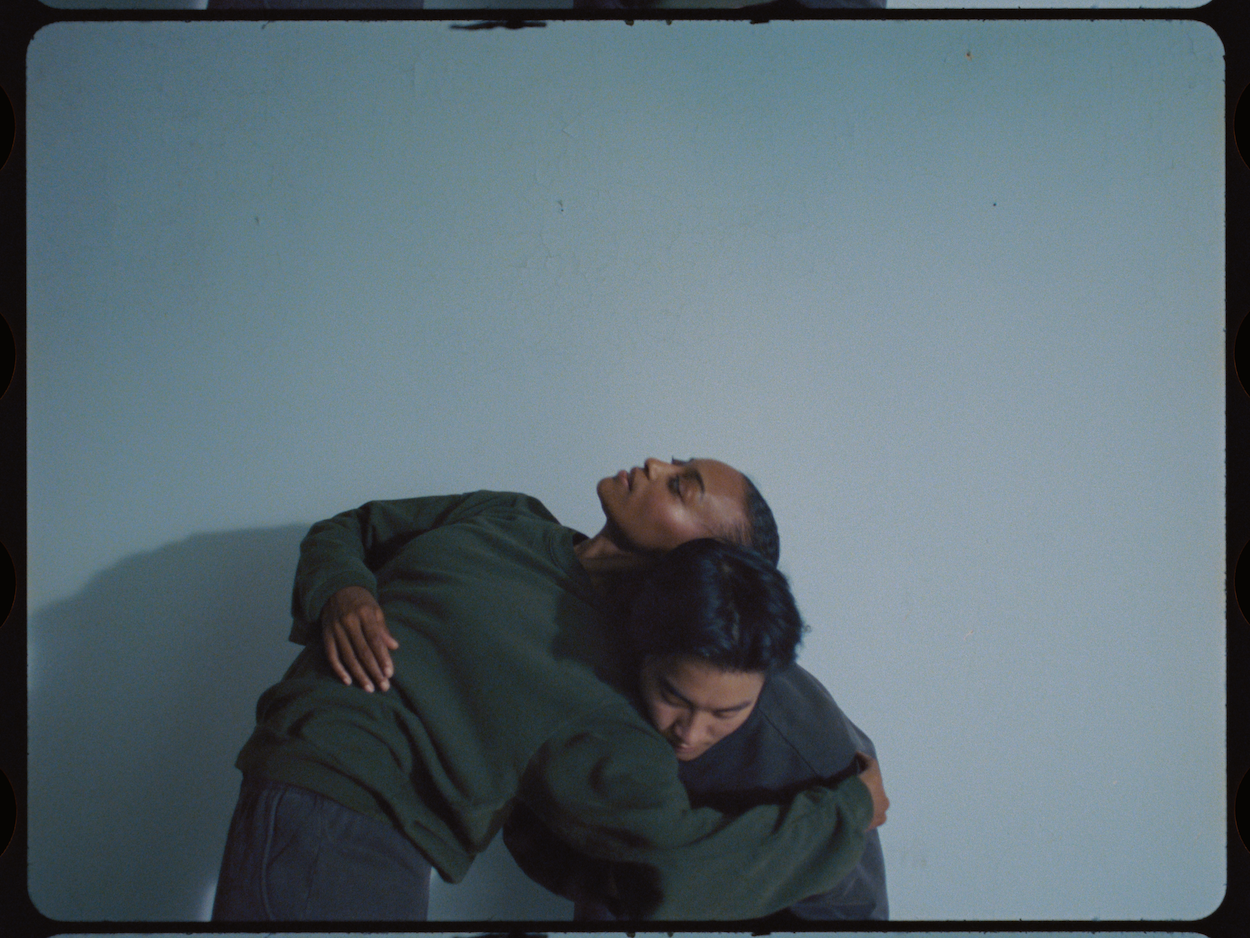
We were fortunate to receive funding from Bloomberg Philanthropies Digital Accelerator to reimagine our website. That seemed like a natural moment to reimagine our identity, our digital presence, and our aesthetic, and to showcase our work in new ways. As we began to brainstorm, we began to riff on the idea of the landing page being a demonstration of the type of multidisciplinary and collaborative work that defines the company. But instead of showing that through photographs or videos of works made for the stage, we decided to create a short film—so essentially, our website welcomes you into a new dance work made in collaboration with filmmaker Christian Padron, with music by slowdanger. You are dropped right into a new collaborative dance work when you enter our website now, which feels like a solid expression of how we want to play with artmaking beyond the concert stage and collaborative creation. We’re looking to commission more films with more frequency in the near future.
The company is expanding beyond the traditional framework into film, site-specific work, interdisciplinary collaborations, education, and artist development. How did that broader vision shape the decision to create a new identity?
Yes! It feels so freeing! There’s been a lot of encouragement from my Executive Director, Emily Waters, and my Rehearsal Director, Jessica Tong, to really make whatever it is I’m wanting to make…to open my imagination beyond expectation. And that’s what we collectively want for anyone and everyone that we consider a collaborator within our new organizational structure.
I think there is a collective belief that the whole company shares—that dance, and a dance company, can and should be more than what we grew up knowing. And I say that as someone who has studied and reveres the contributions of my predecessors—I say this not to diminish their contributions in any way, but to honor them by pushing their ideas forward, as I hope the next generation will do behind me.
As a company, we have long sought to employ dancers in more sustainable ways—52-week salaried jobs, royalties for dancers that recognize their essential role as collaborators in the creation of new work. How do we continue to evolve the dance company structure to meet the needs of and provide a home for artists for this generation of artists, while also allowing them to flourish and grow?
And relatedly, how do I continue to push myself and my collaborators to imagine how dance can live and breathe through our communities, through our digital world, and how it interacts and responds to the world around us?
There is a lot of rhetoric around us about how audiences are dwindling, how funding is diminishing, etc. What if we refuse this scarcity thinking and instead lean into potential, audacious thinking, and trust that our community and collaborators will share our belief that the future might be greater than we have been conditioned to imagine? So we are going to try some new things, we are going to expand our work, and we are going to advance practices, programs, education, and ideas to support and encourage those around us to do the same.
This is a lot of the thinking that really helped us latch onto the concept of Vanguard—let’s keep moving forward, and let’s do that together.
There’s an interesting balance in this moment between honoring 20 years of history and signaling something new. As you look ahead, what do you hope remains unmistakably the same about the company, and what are you most excited to see change?
Ah yes, very daunting in some ways…and liberating in others. We will continue to lift up and celebrate our history and the histories that have influenced anything and everything we do.
And that same acknowledgement gives us the freedom to take new risks. I’m not the most excitable person out there, but I’m hopeful for a newfound sense of freedom that this new entity allows. And I’m really looking forward to a lot of new opportunities ahead.