Photo credit (all images): Courtesy of the Grove Foundation…
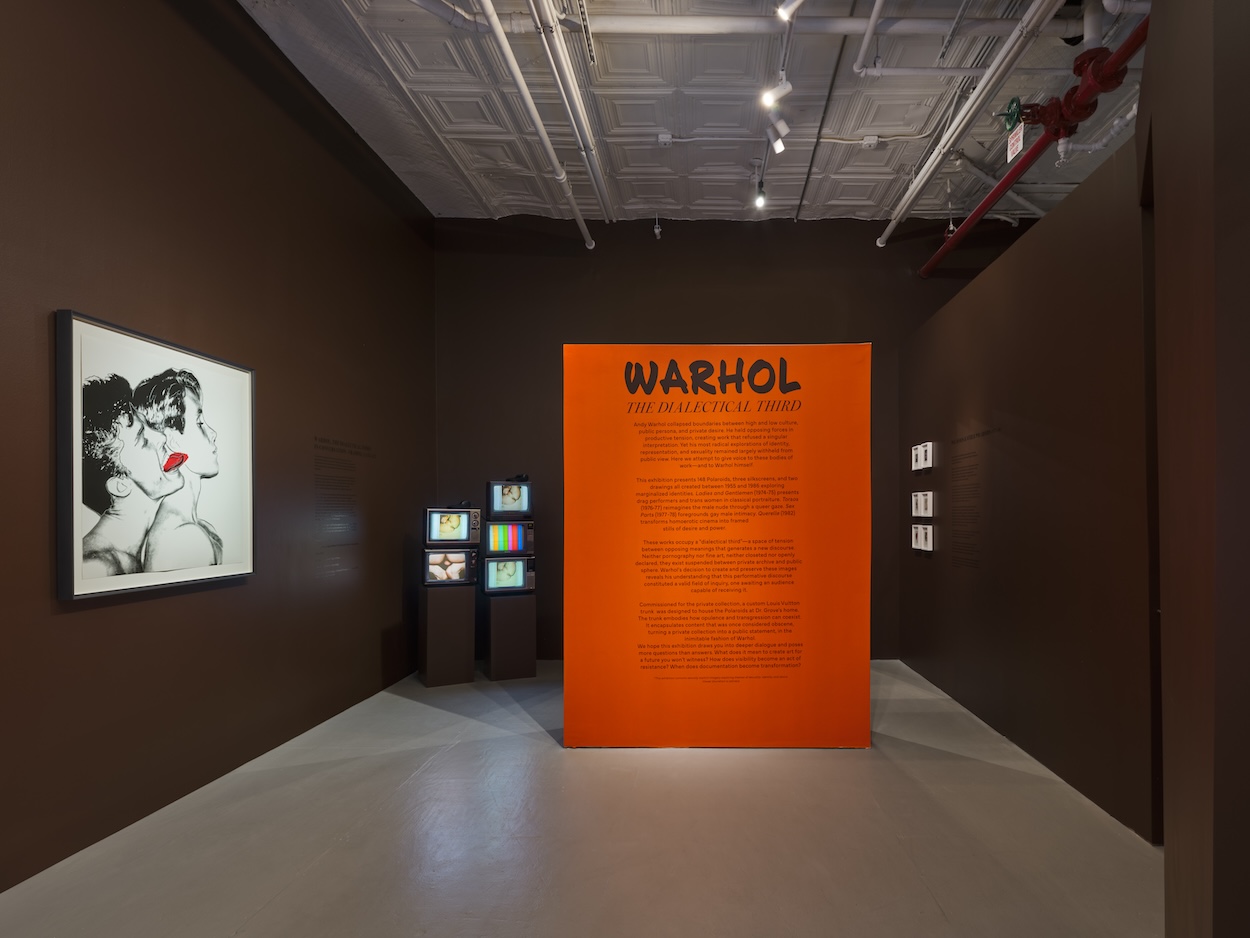
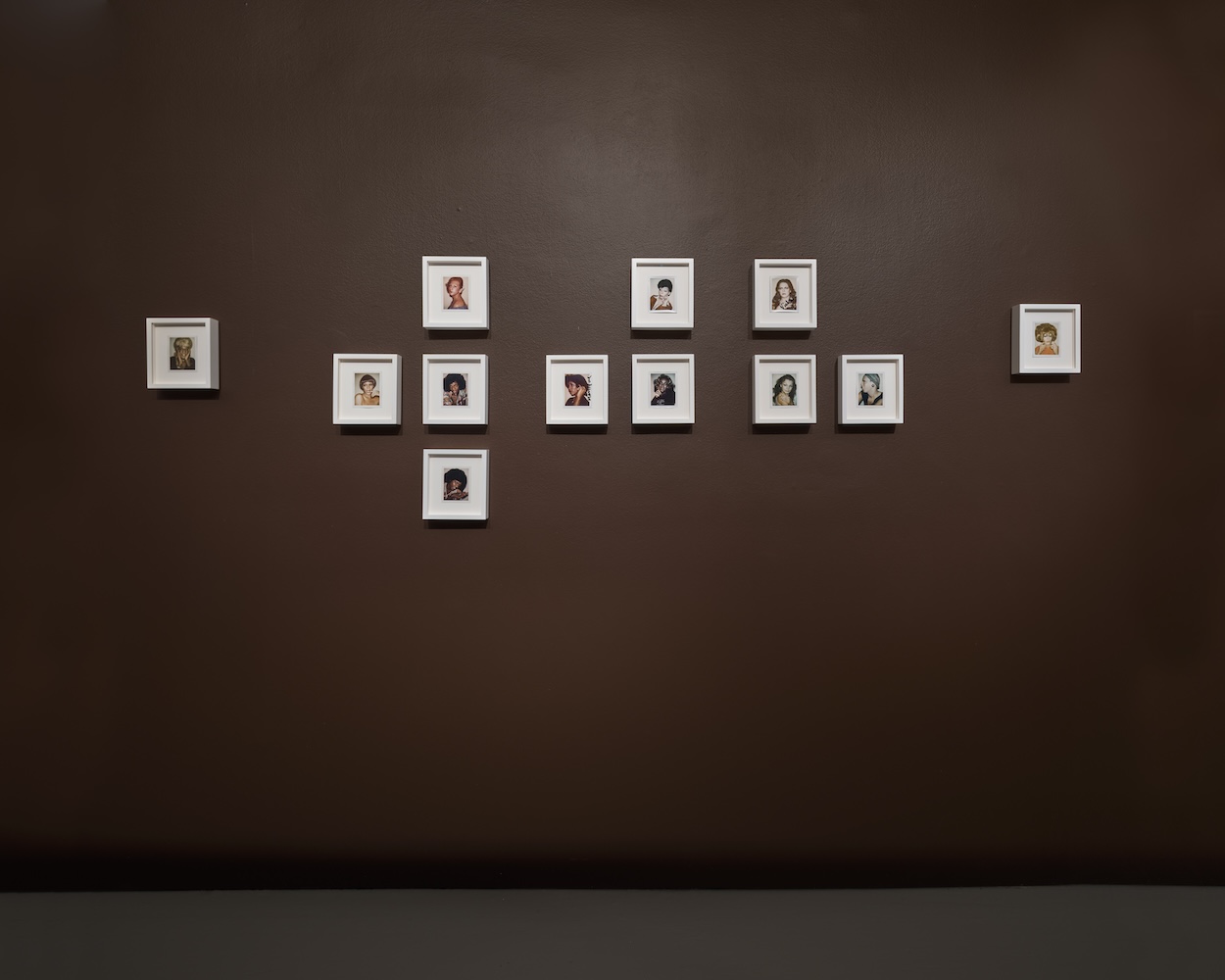
At The Grove Foundation for the Arts, “Warhol: The Dialectical Third” gathers a body of Polaroids that confront the boundaries of desire, performance, and identity. Drawn from the private collection of physician and philanthropist Dr. Jeffrey S. Grove, the exhibition presents works from Ladies and Gentlemen, Sex Parts, Torso, and Querelle, alongside select prints and drawings. Taken in the 1970s and ’80s, these images document queer intimacy in a period when such lives were largely forced into secrecy. “These works were completed over several years during a time when homosexual acts were criminalized and such photography carried significant legal, social, and personal risk,” Dr. Grove tells Surface. On view now, they offer a “rare glimpse,” in Grove’s words, into the period’s gay culture and embody a visual tension that prompts the viewer to question their preconceptions.
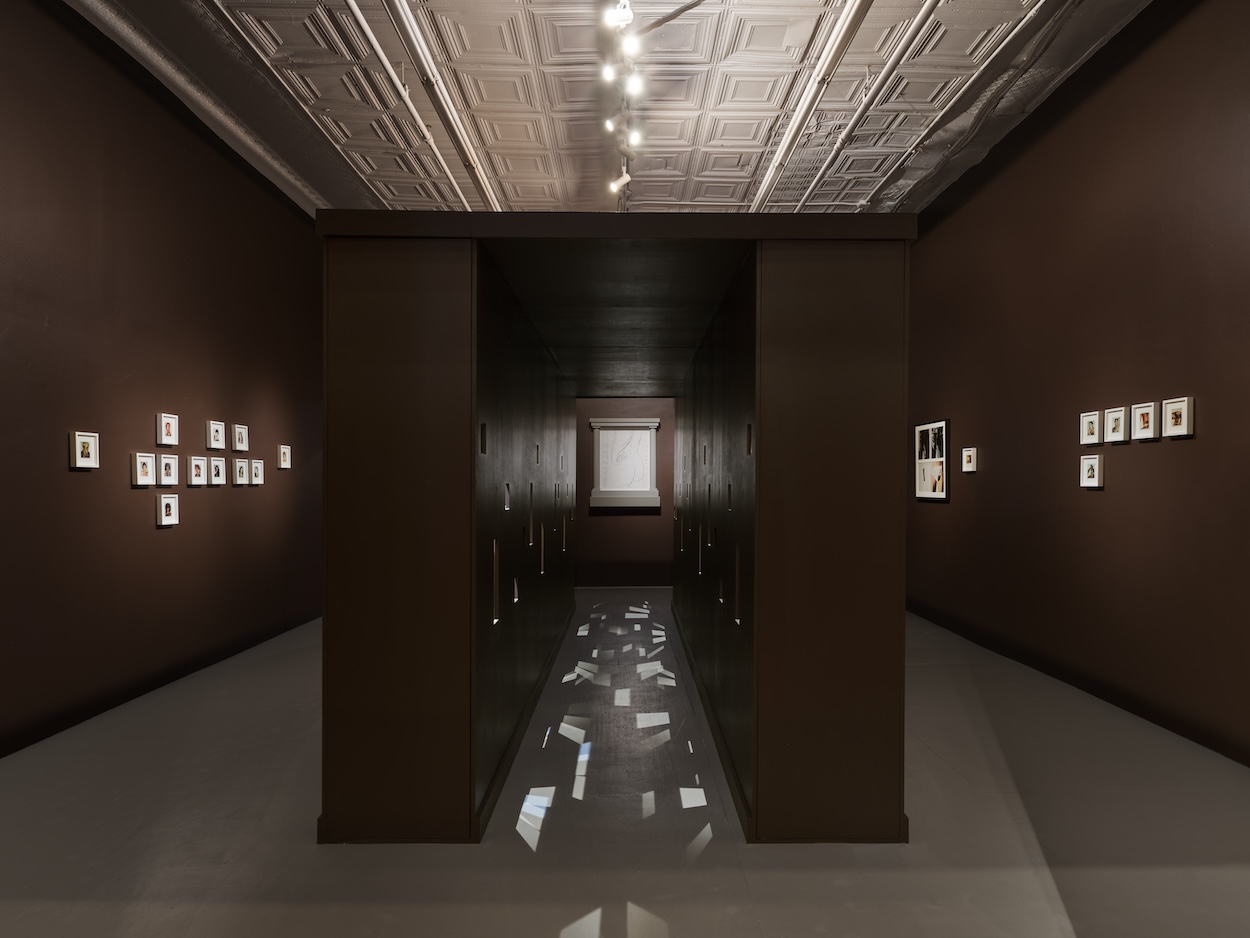
The exhibition presentation amplifies that tension. Housed in a custom Louis Vuitton Malle trunk and arranged at nonstandard heights to prompt active viewing, the exhibition transforms the act of looking into a negotiation between exposure and discretion. As the foundation’s curator and executive director, Dina Giordano, puts it, Warhol’s Polaroids navigate dualities—male and female, art and pornography, intimacy and distance—without ever resolving them. In that unresolved space, the “third” emerges: a site of risk, of reflection, of possibility.
In the following interview, Dr. Grove speaks on how “The Dialectical Third” stands to expand our understanding of one of the best-known contemporary artists.
In recent years the contemporary art landscape and pop culture at large has been flooded with Warhol exhibitions. How did you conceptualize this exhibition to present an additive point of view on one of the world’s most-discussed artists?
While there has been an increasing number of Warhol exhibitions in recent years, very few have been dedicated to a comprehensive examination of these particular series and their respective subject matter.
As this collection has grown, it has become apparent to me how important making it accessible to the public will be. My hope is that through our foundation’s lending program the collection will be displayed in institutions and museums around the world, and that its presence will foster a deeper understanding of the LGBTQIA+ community—particularly among younger people who may be questioning their identity, as well as their families, communities, and the general public.
What should viewers understand about how these images engage with taboos—social, sexual—both at the time they were taken, and now?
It is important to note that this body of work was among the most intimate and personal that Warhol created, offering a rare glimpse into gay culture of that era. These works were completed over several years during a time when homosexual acts were criminalized and such photography carried significant legal, social, and personal risk, and once produced, there were few venues that would exhibit them. Torsos had a small run mostly in Europe and the same with Ladies and Gentlemen, while there were virtually no avenues through which to sell the Sex Parts series. The fact that these works are now being exhibited in the same area of New York City where they were created serves to destigmatize everything this body of work represents. It stands as a powerful declaration of affirmation of the LGBTQIA+ community and its allies: we are here, we will not be erased, and we stand prouder today than ever before, thanks in part to the courageous artistic direction of Warhol.
Photo credit (all images): Courtesy of the Grove Foundation…
Tell us about the decision to incorporate design into this exhibition.
As the collection grew larger and I acquired some of the more provocative pieces from Warhol’s Sex Parts and Torso series, I faced a dilemma: what was the right way to display these works of art? Between the erotic nature of certain pieces and the sheer size of the collection, hanging them on the walls simply wasn’t feasible. In addition, the Polaroids are extremely light-sensitive, and prolonged exposure causes irreversible image degradation.
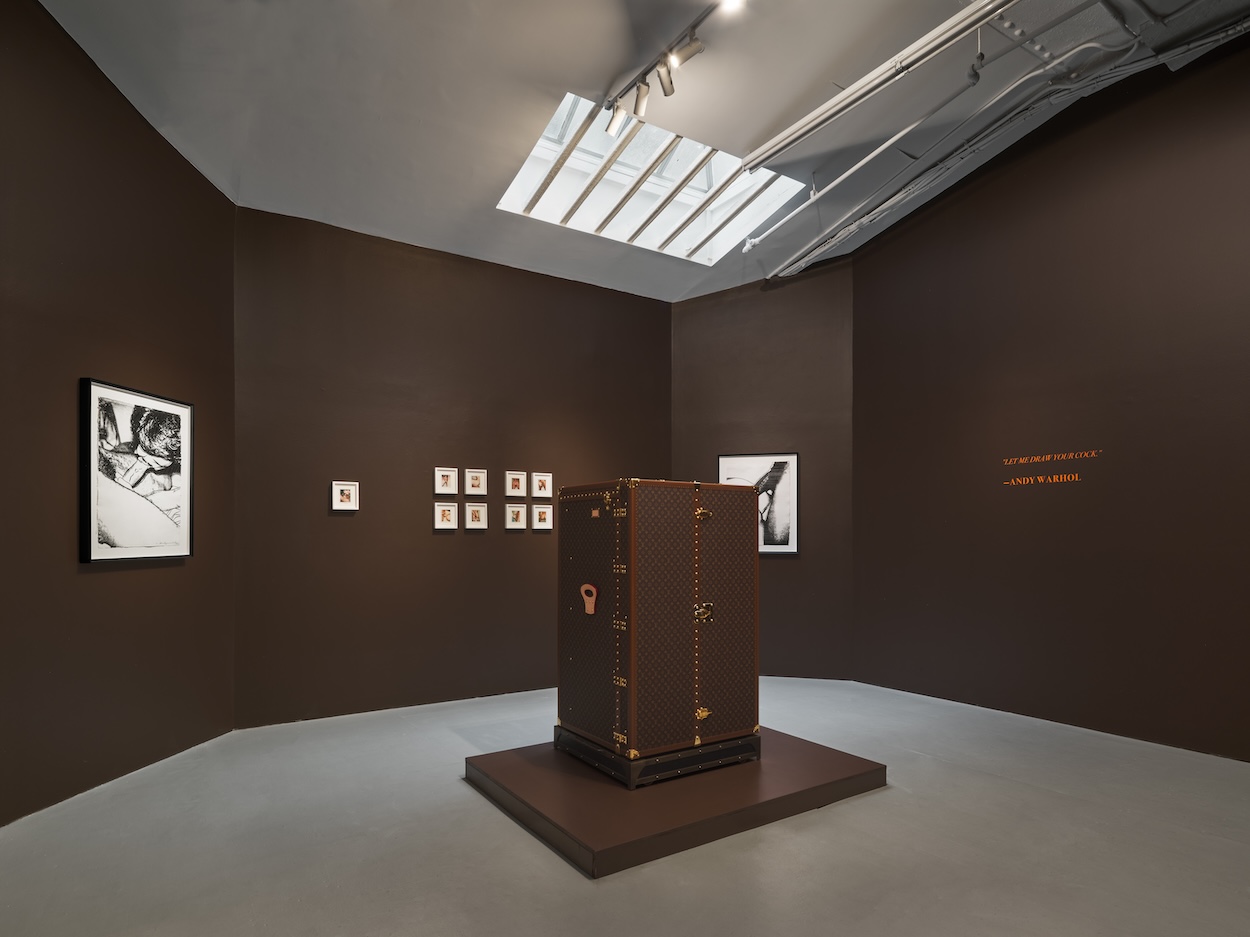
It was my Louis Vuitton representative who suggested commissioning a custom-made Louis Vuitton Malle Lozine trunk. We both agreed that this caliber of art by such an iconic artist deserved—even necessitated—the finest possible home. The trunk itself is a work of art. Louis Vuitton built its success on a long heritage of producing the highest quality luggage. Today, this legendary luxury brand has created custom trunks for distinguished clients including Karl Lagerfeld for his collection of 40 iPods, Formula 1, and Ernest Hemingway’s library trunk.
Built at the original Louis Vuitton factory in Asnières, France,just outside Paris, the trunk took more than two years to complete, from conception to delivery in New York City. Now affectionately nicknamed “Malle Warhol,” it has become the permanent home of the collection—protecting it while serving as an integral part of the collection itself.
How does the title of the exhibition, “The Dialectical Third,” speak to the show’s complexities and nuances?
“The Dialectical Third” captures the transformative space that emerges when opposing forces collide without resolution. This isn’t a compromise or middle ground—it’s a qualitative leap into new terrain. Warhol’s work refuses binary thinking: not male or female, but a fluid third gender; not art or pornography, but something that transcends both categories. Ladies and Gentlemen,Torsos, Sex Parts, and Querelle exist in productive tension, asking us to reconsider what we think we know about beauty and abjection, intimacy and distance, visibility and concealment.
The exhibition’s design mirrors this philosophy. Viewing apertures at nonstandard heights force physical vulnerability—you must adjust, search, and position yourself, transforming passive observation into active seeking. Even the custom Louis Vuitton trunk embodies dialectical tension: its diagonal straps simultaneously secure and censor so that luxury and transgression coexist. As you move through the space, notice where you feel comfort and discomfort, attraction and repulsion. It’s precisely in these tensions that the “third” emerges—not as an answer, but as the living process through which meaning itself comes into being.