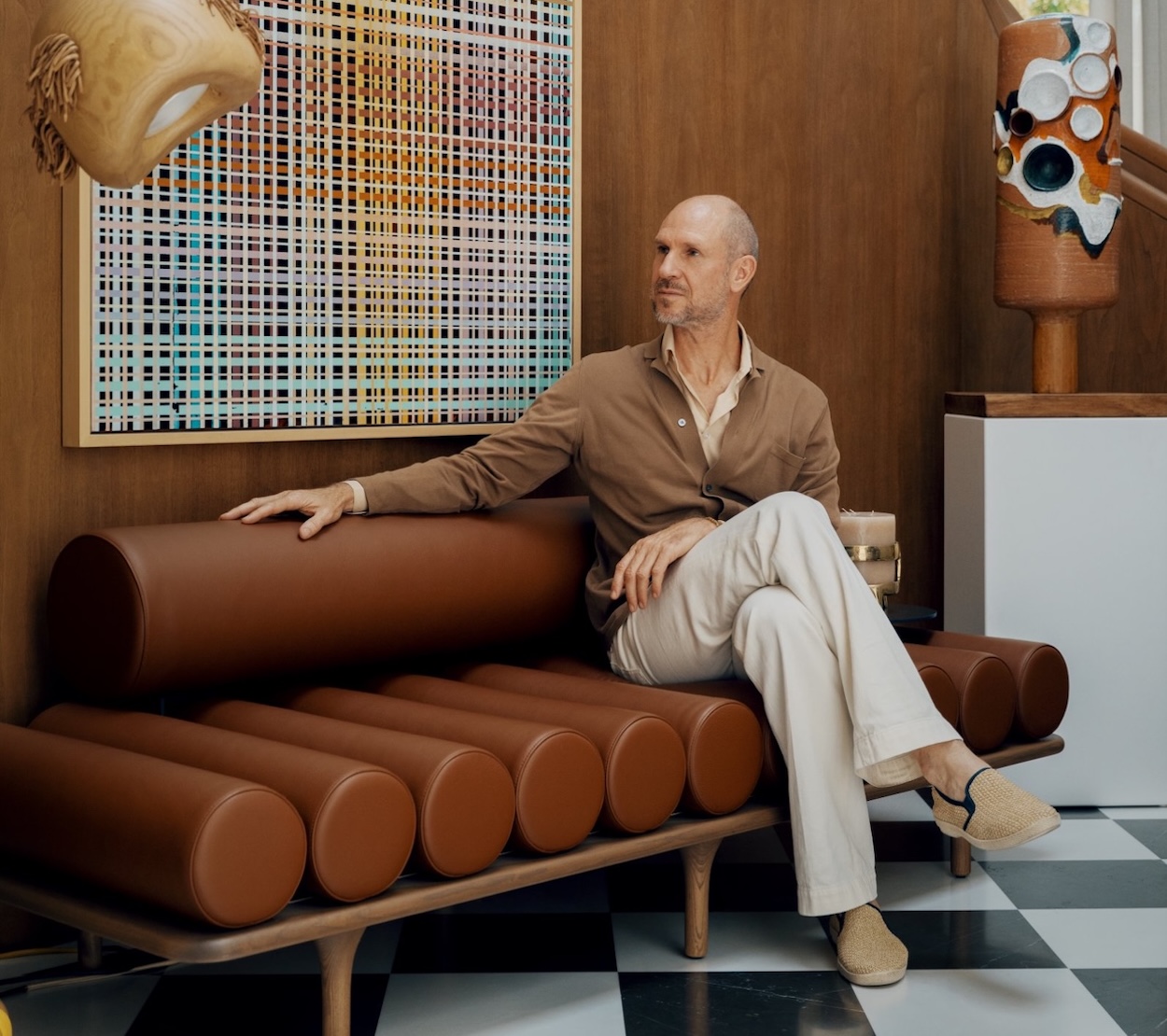
The Paris-based designer behind the restorations of Hôtel de Crillon and the upcoming Jumeirah Burj Al Arab sits down with Surface ahead of his keynote at Downtown Design Dubai
Tristan Auer has spent his career immersed in details, whether tailoring vintage Ferrari interiors or reimagining landmarks like the Four Seasons Hotel George V, the Hôtel de Crillon, and now the Burj Al Arab. Ahead of his Downtown Design Dubai keynote, we caught up with the Paris-based designer for a conversation about Middle Eastern hospitality, his made-to-measure approach, and why home beats hotels.
You’ve designed several properties in the Middle East, from private residences to five-star hotels. What’s your take on Dubai’s design scene?
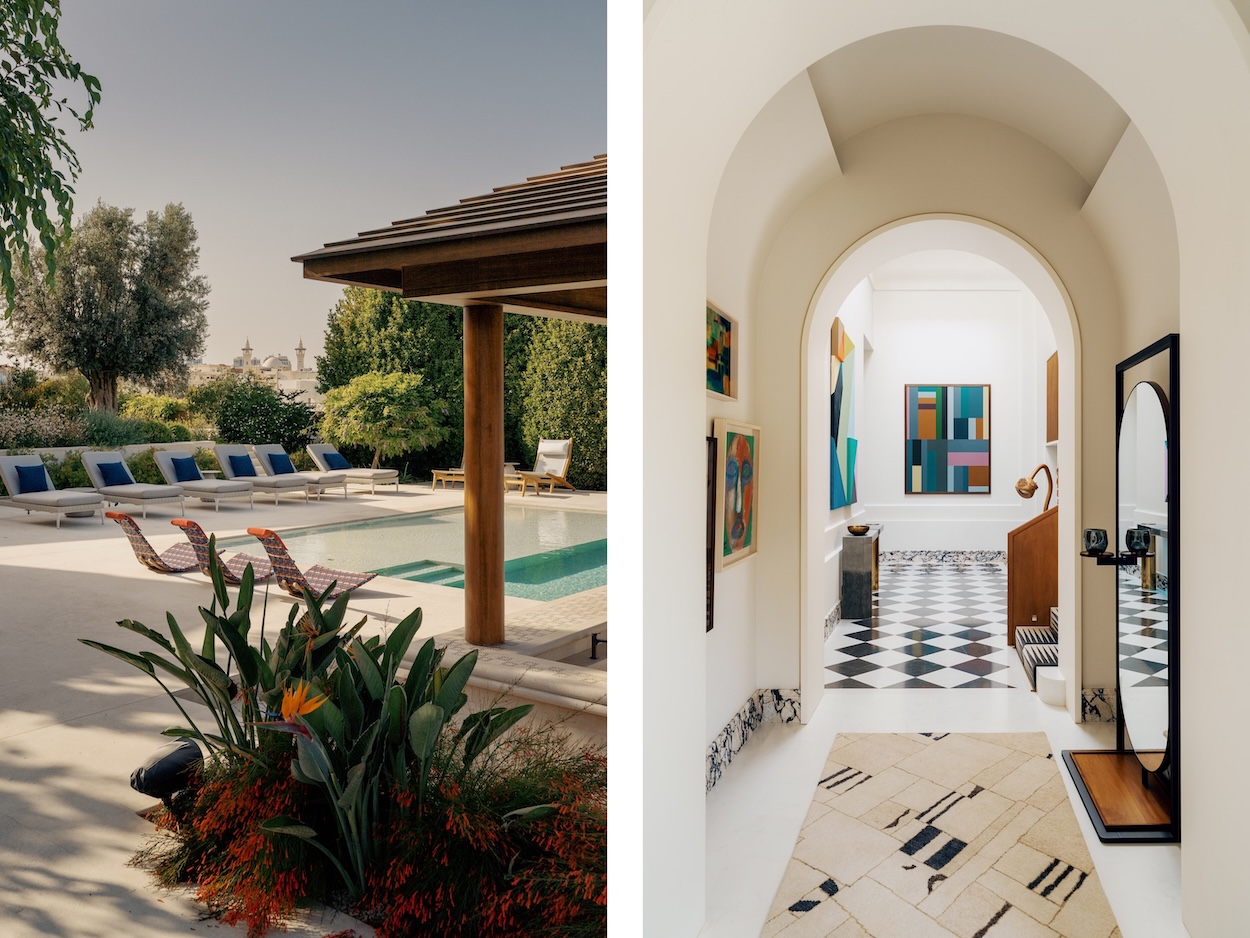
This will be my first Dubai Design Week, so I’m arriving with curiosity. I already know some of the exhibitors very well, but I’m looking forward to discovering artists, materials, references, and ways of making that are less familiar to me. Dubai’s strength is bringing cultures and ambitions together; what interests me next is how that exchange develops a distinctive local voice with opportunities to build lasting practices.
Credit: Amaury Laparra (Amman House)…
You follow a sur-mesure philosophy, approaching each project like a tailor. When redesigning an already-beloved hotel like the Crillon, how do you decide what to preserve and where to introduce something unexpected?
Sur-mesure begins with understanding a place and how people inhabit it. With an icon, you also inherit memories and attachments. The challenge was to honor the Crillon’s eighteenth-century grandeur while making it more personal—one simple decision like designing the reception without a counter makes arriving at the hotel feel closer to entering a private home.
Each of your projects is anchored in a sense of place—Rosewood AMAALA’s interiors respond to the meeting of the Red Sea and the light, while Rosewood Courchevel Le Jardin Alpin allows the mountain to become the focal point. Beyond taking inspiration from surrounding landscapes, how do guests’ cultural preferences influence your designs?
Culture becomes part of the experience through how a space is used. My approach begins with how people live, whether in Paris or Saudi Arabia. What changes is the way hospitality is expressed. At Rosewood AMAALA, traditional majlis-style spaces reflect the cultural importance of welcoming people and gathering together. Sharing a room should feel easy—the position of a chair, the height of a table, or the intimacy of the lighting can determine whether a conversation happens and how long it lasts.
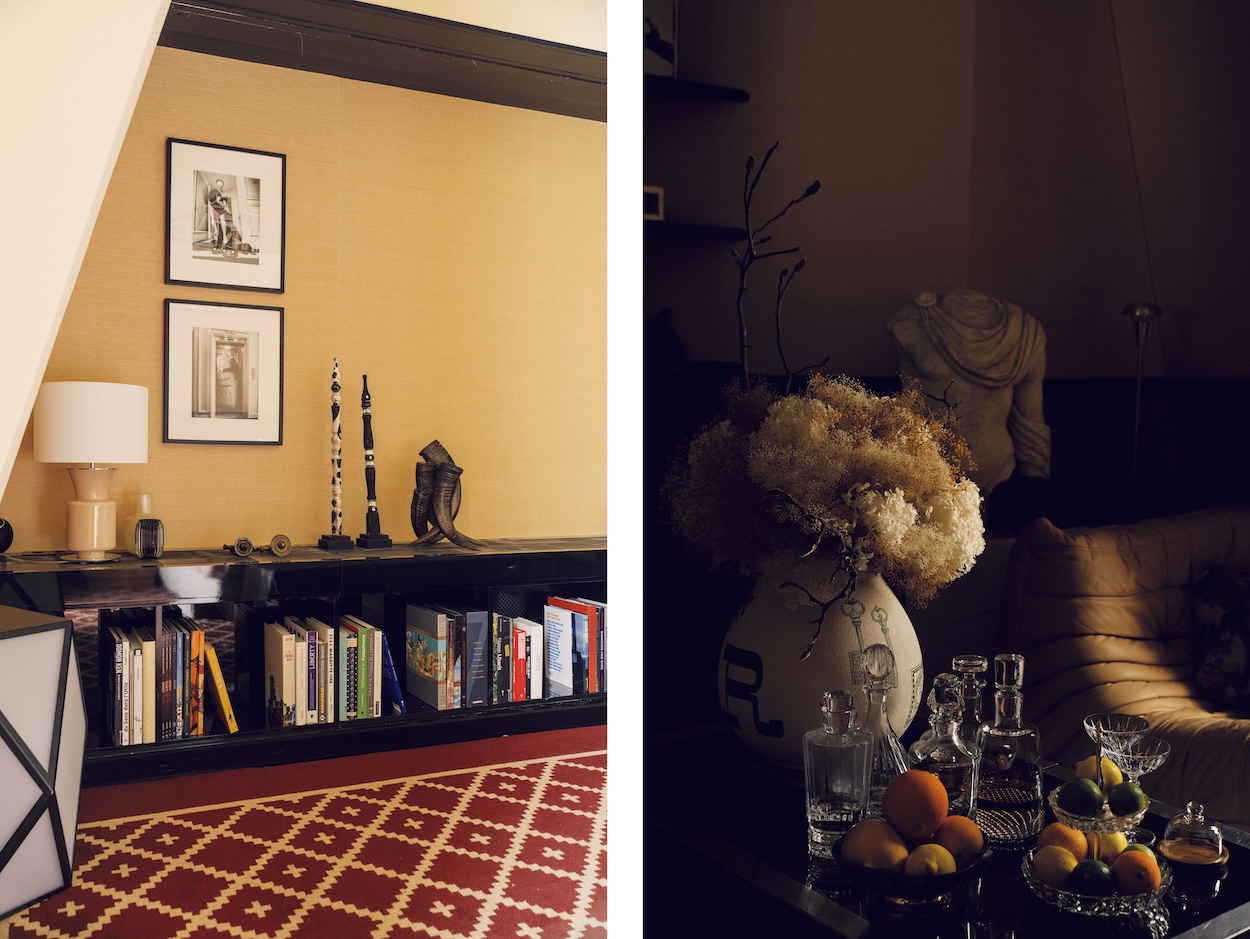
Credit: Amaury Laparra (Experimental Marais)…
You recently transformed Sinner Paris, a boutique hotel you designed in 2019, into the new Experimental Marais. What was it like to revisit your own work?
At Sinner, I explored the tension between the sacred and the profane through sensuality, 1970s influences, and contemporary Parisian references. Giving a place with such a strong identity a new direction was a challenge, but another chapter opened with Clovis Retif’s artworks and objects representing the imagined life of a traveler (a fictional guest named Henri Evelyn Marcel, who serves as the hotel’s muse). Existing buildings invite that kind of layering; their story keeps moving.
What’s a luxury hospitality trend you see coming that nobody is talking about right now?
My work on private homes and car tailoring makes me attentive to personal habits and small rituals. I think hospitality will become more sensitive to those differences, allowing people the freedom to find their own rhythm and inhabit hotels in their own way. That is a demanding form of luxury: making something carefully designed feel entirely natural to someone else.
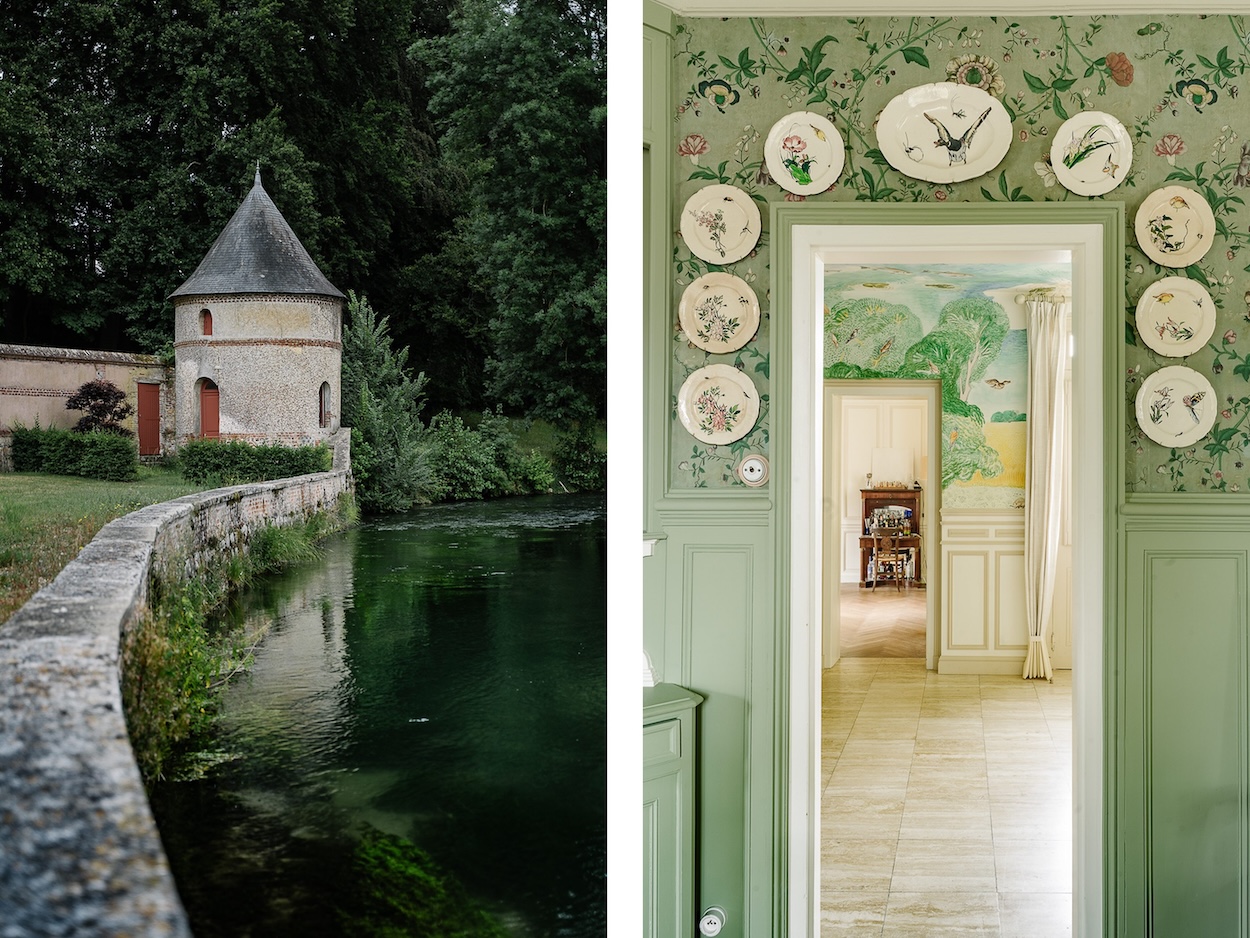
Credit: Amaury Laparra (Normandie)…
What would your last hotel stay be?
The best hotel in the world is my home in Normandy—designed by me, for me. It’s where I slow down, reconnect with nature, and feel completely at ease. For one last stay, I would simply go home.