Shaped by a lifelong fascination with metalwork, pre-Columbian jewelry, and ancestral objects, the Colombian designer reinterprets these traditions through a contemporary lens
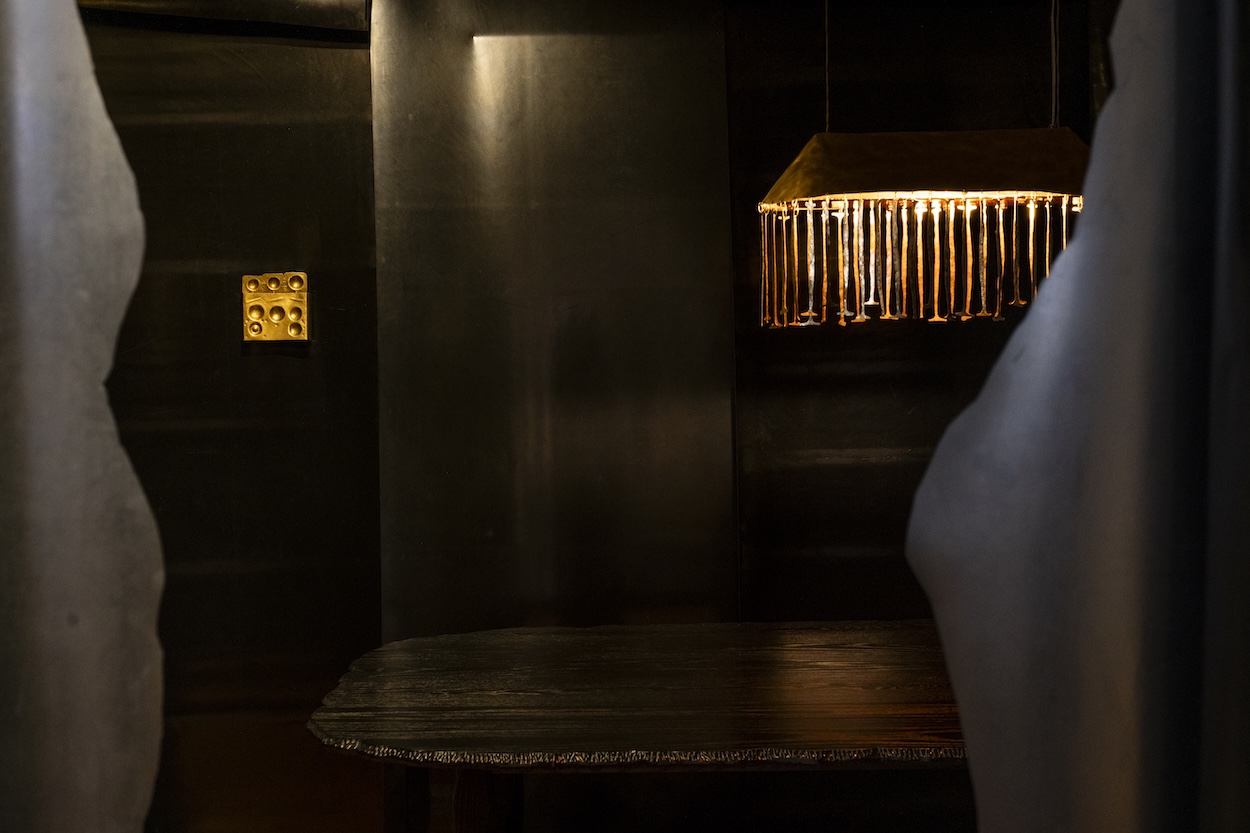
The Tunjo Sconce and the Chunso Pendant. Photo by Mateo Seza, courtesy of Ombia Studio. …
L.A.-based Ōmbia Studio takes its name and much of its spirit from Colombia, where founder Cristina Moreno grew up. Working primarily in ceramics, gold, and stone, the practice has built its identity around handmade furniture that celebrates the organic and the imperfect, with pieces defined by rich texture, unconventional forms, and striking proportions.
With El Dorado, its newest collection, Moreno looks inward for the first time since founding the studio in 2020. She draws on the goldwork of the Muisca, a pre-Columbian Indigenous civilization of the central Andean highlands, as well as other communities across the country, translating their worship for material and ritual into sculptural furniture and lighting made by hand alongside artisans in Mexico City. Moreno spoke with Surface about the myth that gave the collection its name, the responsibility of honoring a heritage that isn’t hers to reinvent, and why she wanted pieces that are as functional as they are beautiful.
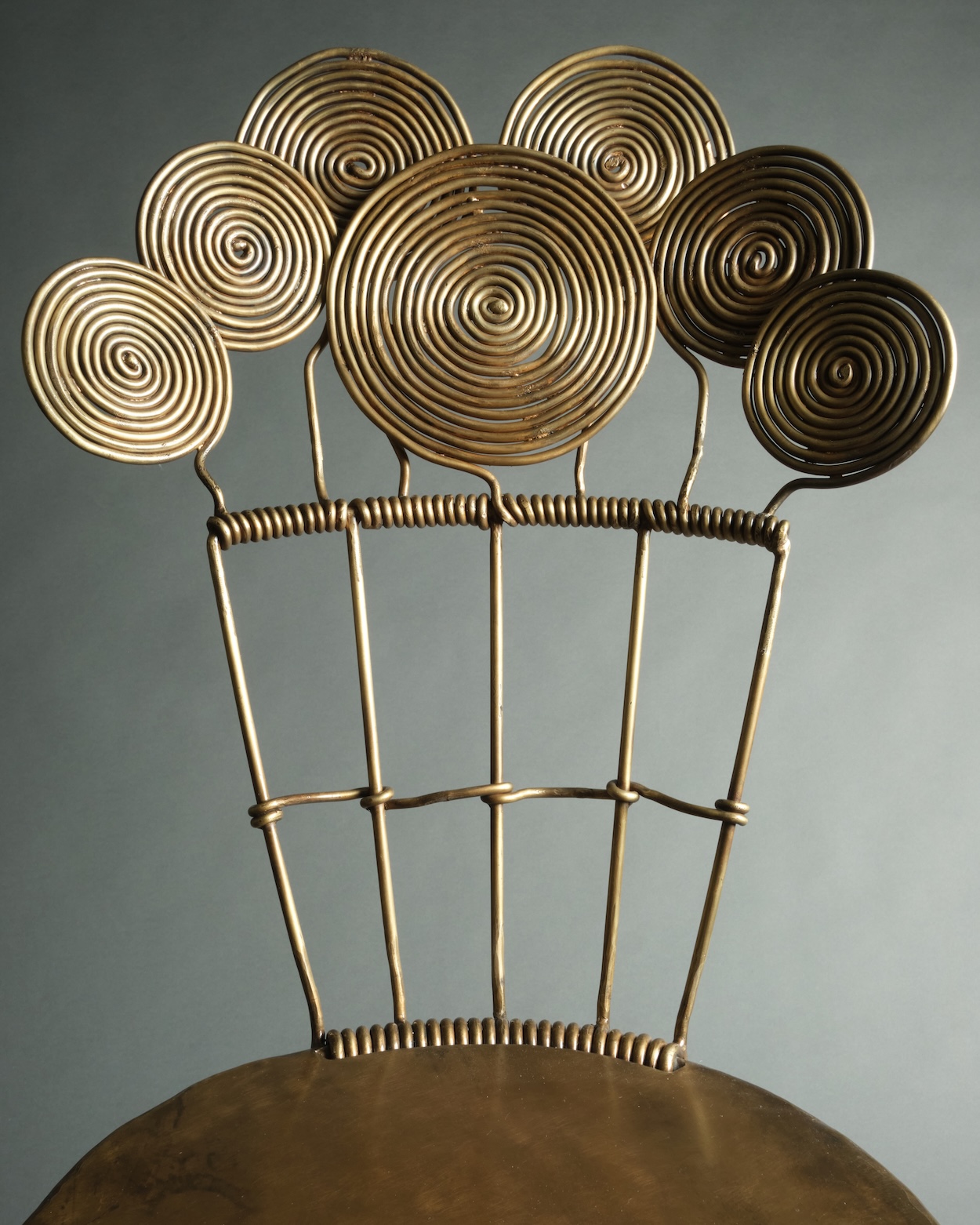
Details of the Espiral Chair. Photo by David William Baum, courtesy of Ombia Studio. …
The collection pays homage to Indigenous pre-Columbian communities like the Muisca. What did you learn about their metalwork that surprised or moved you most?
Growing up in Colombia, I knew the Muisca through the myth of El Dorado: a ruler covered in gold dust, offering treasure to Lake Guatavita in the Andes. What moved me most at the Museo del Oro in Bogotá was realizing the myth had it backwards. For the Muisca, gold was never wealth; it was sacred, a vessel for the sun’s energy, and its highest purpose was to be given away. They traded salt and emeralds for it, alloyed it with copper, and cast it using lost-wax techniques or hammered it into luminous ornaments made to move with the body. Many of their finest pieces were made only to be buried or submerged as offerings. That idea of making something with total devotion, not to possess it but to offer it, is the spirit I wanted to carry into this collection.
How did you research the symbolism behind these ancestral objects, and did you work with any historians, archaeologists, or Indigenous voices along the way?
My fascination started long before this collection. My family had friends who were archaeologists, and as a child I got to see many pre-Columbian pieces up close. They left a lasting impression on me. I spent months in libraries and bookstores gathering everything I could on pre-Columbian goldwork. The most meaningful part was speaking with Indigenous artisans at a craft fair about the symbols they choose and why. It struck me how much meaning a single form can hold.
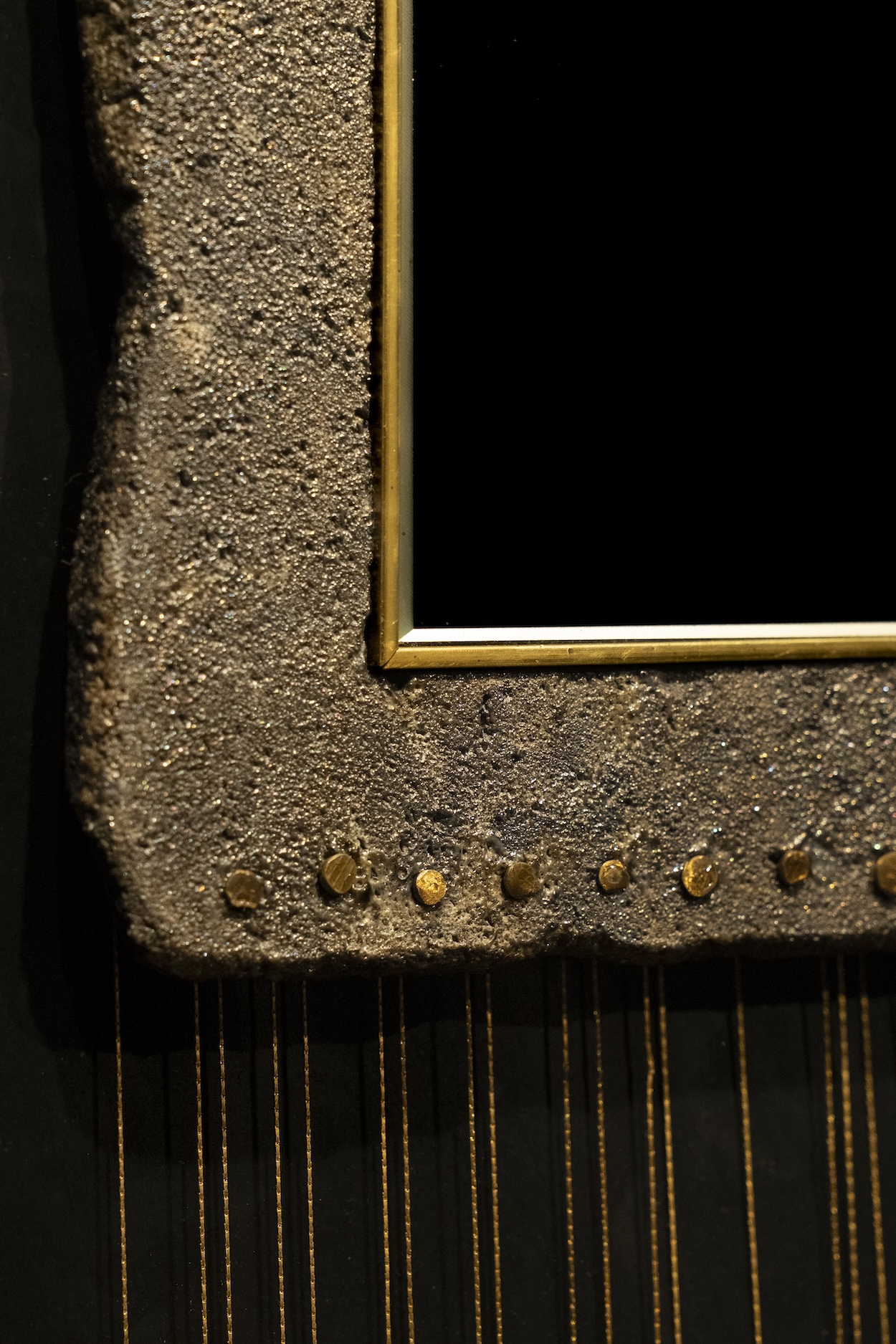
Details of the Tunjo Mirror. Photo by Mateo Seza, courtesy of Ombia Studio. …
How do you approach honoring Indigenous heritage while bringing your own contemporary vision to it?
For me, honoring this heritage starts with recognizing that it isn’t mine to reinvent. These forms and techniques were created and carried by Indigenous communities, and my role is to bring light to them. I don’t reproduce the objects. I translate what moved me about them, their reverence for material, their sense of ritual, and the hand behind every piece, into sculptural furniture for how we live today. If the collection leads someone to look more closely at the original works and the craftsmanship behind them, it has done what I hoped it would.
Why was it important for the pieces to be functional rather than just decorative?
I’ve always loved objects you can live with and touch. Many of these ancestral pieces were made for ceremony, to be worn in ritual or offered to the earth and water, and most of them now sit behind glass. Making my pieces functional is my way of bringing that spirit back into daily life. A chair or a table is touched, used, and lived around every day. For me, that intimacy makes them more human, and it’s how I make them my own.
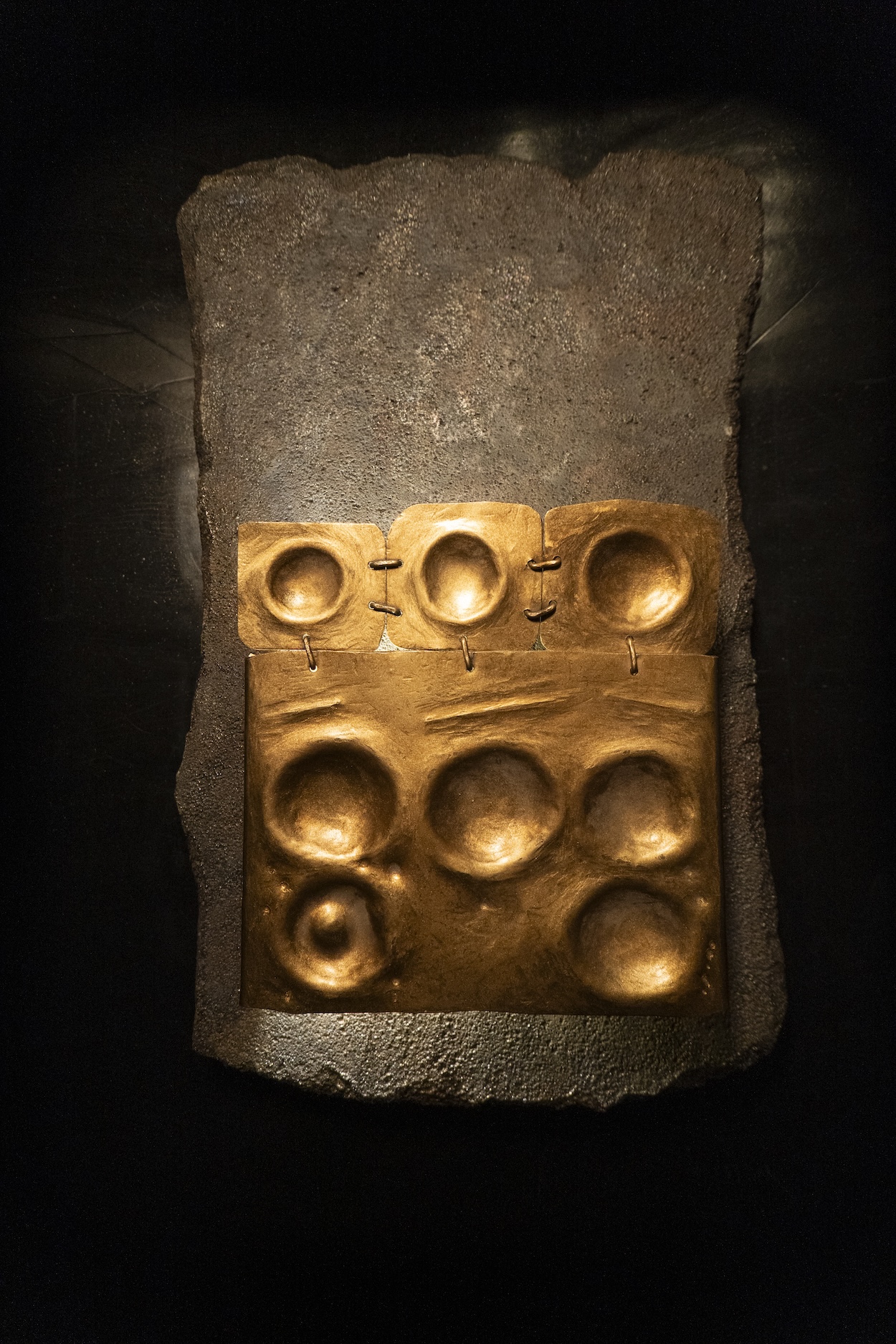
The Tunjo Sconce with a volcanic plate. Photo by Mateo Seza, courtesy of Ombia Studio. …
How do you hope these pieces create a “living connection” between people and the history they draw from?
I hope they become sacred objects in the home. For the Muisca, an object was never just matter. It held energy, intention, and a connection to something larger. I’d like my pieces to carry a trace of that, so that living with them each day becomes a quiet act of remembering. If someone runs their hand along a surface and feels curious about where that form came from, then the history isn’t sitting in a museum anymore. It’s living with them.
What does this debut mean for your studio?
This collection marks a turning point for me. My earlier work was guided by process and material, but this is the first time I’ve looked inward, to my roots in Colombia. I began as a ceramicist making vases, and over time my work grew into sculptural furniture, but the instinct has always been the same: to make objects that feel alive. Today I create each piece by hand in Mexico City, alongside skilled local artisans, and it feels meaningful to honor one Latin American heritage while working within another. This is just the beginning of a deeper exploration, and I’m excited to keep following where it leads.
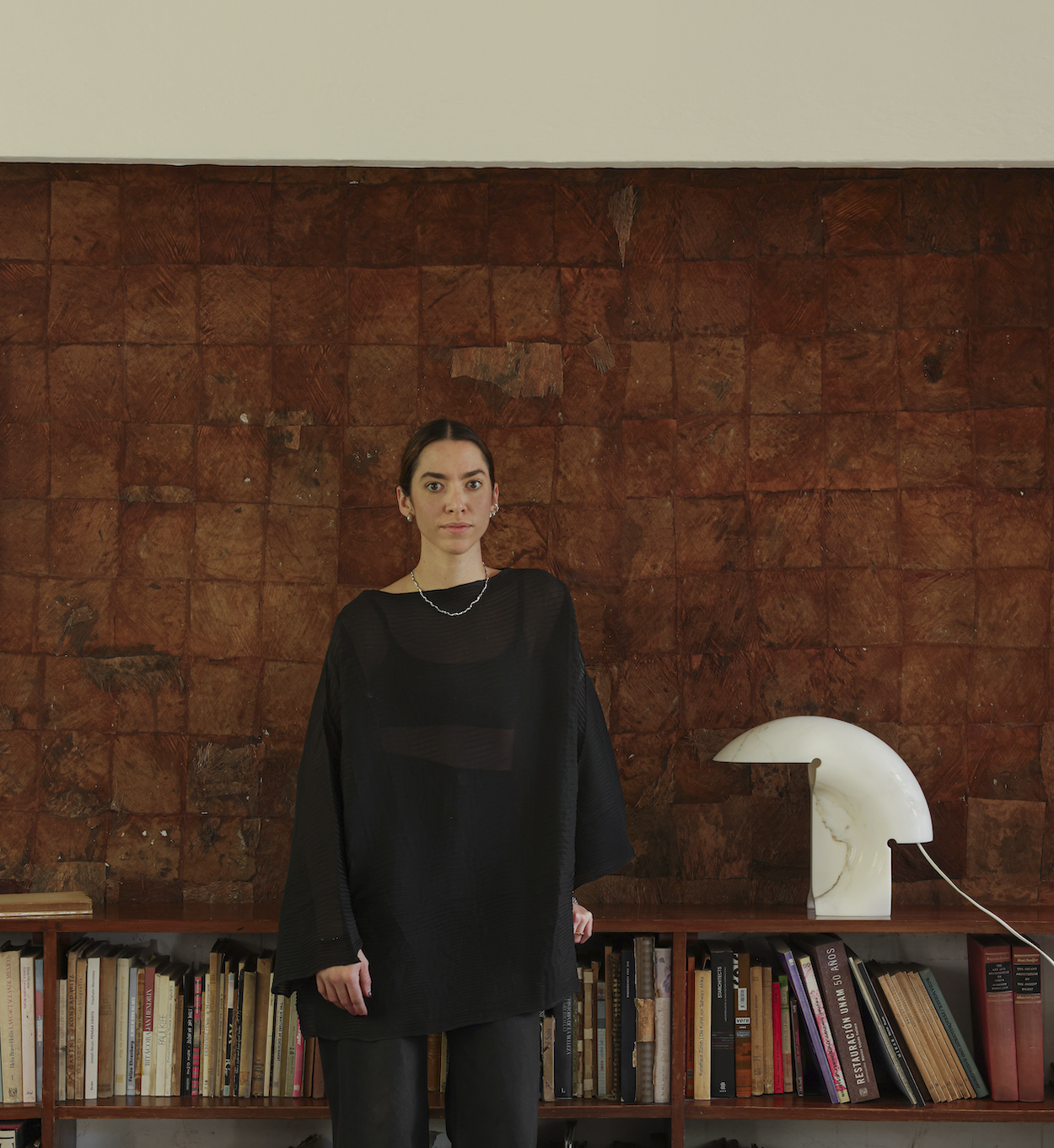
Portrait of Cristina Moreno. Photo by Alejandro Ramirez Orozco.…