“We’re in a third wave of craft,” declared curator and author Glenn Adamson at the inaugural Spector Craft Prize summit at the Crystal Bridges Museum of Art in Bentonville, Arkansas. “Not only does it include the familiar mediums of clay, fiber, glass, metal, and wood, but any material that can be infused with meaning, with the work of human hands.” This expanded field applies both to medium and to origin, argues Zesty Meyers, co-founder of New York-based design gallery R & Company. “We’re in a global movement,” he says. Our interconnected world is lending more visibility than ever to makers in every country. This certainly is the case for the Prize’s first recipients, six American practitioners whose work is influenced by global heritage and local identity, as much as it is by material exploration.
The Spector Craft Prize Rewards a Field Long Overlooked
The new honor held its inaugural summit at the Crystal Bridges Museum of Art, celebrating talents from across the U.S.
By Elizabeth Fazzare
November 23, 2026
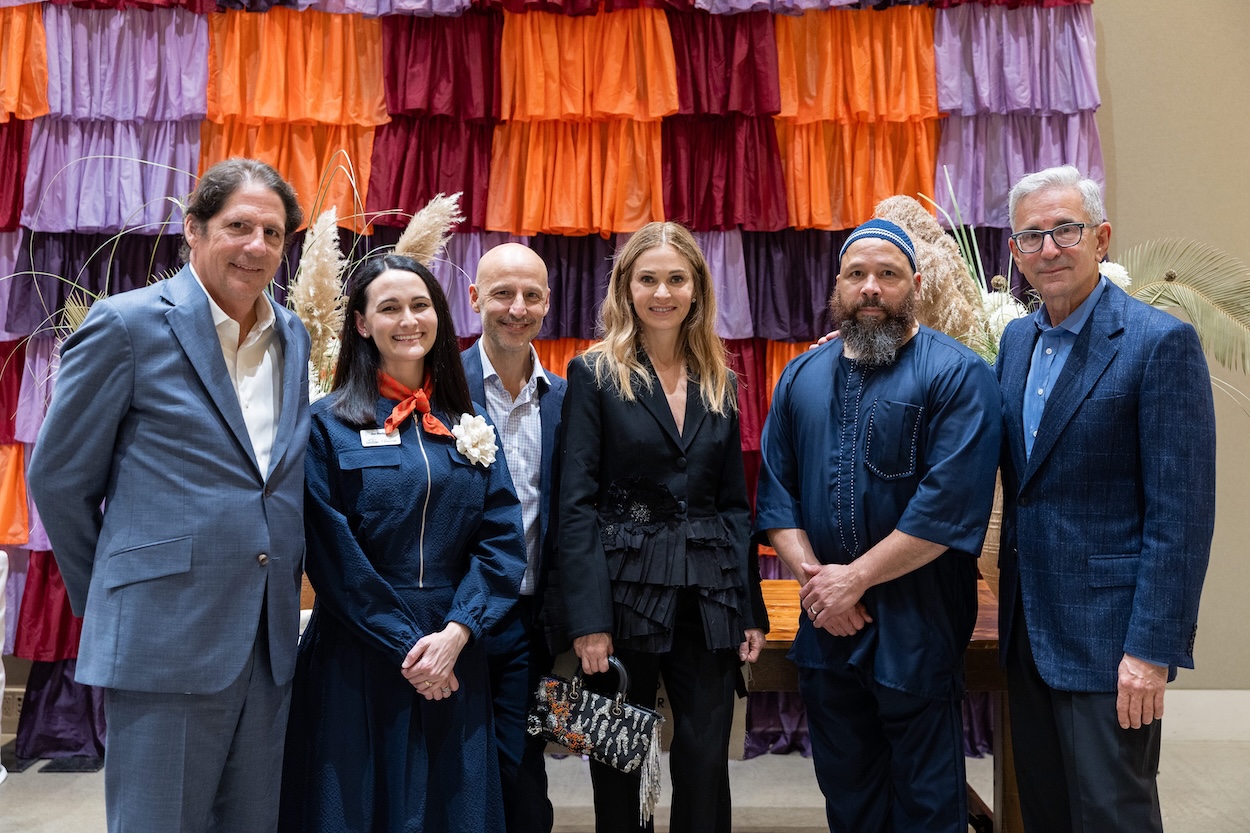
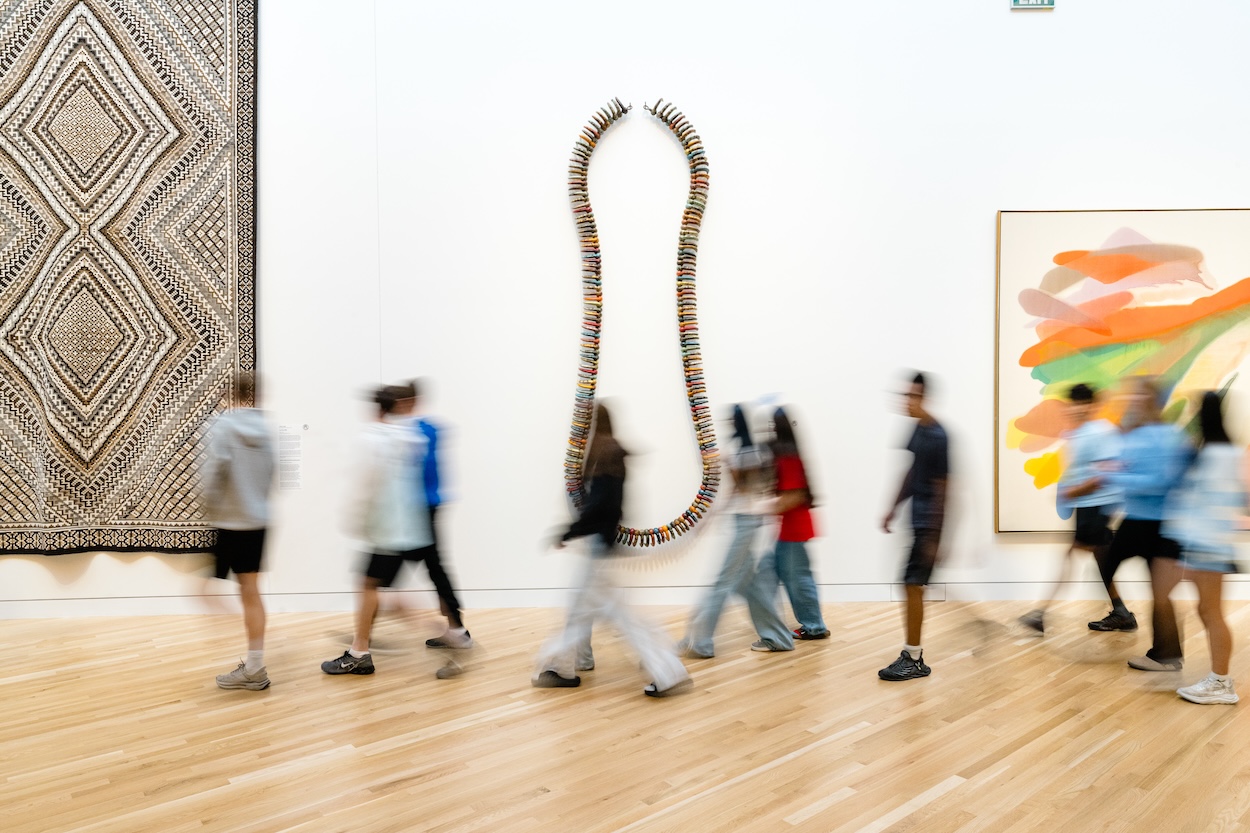
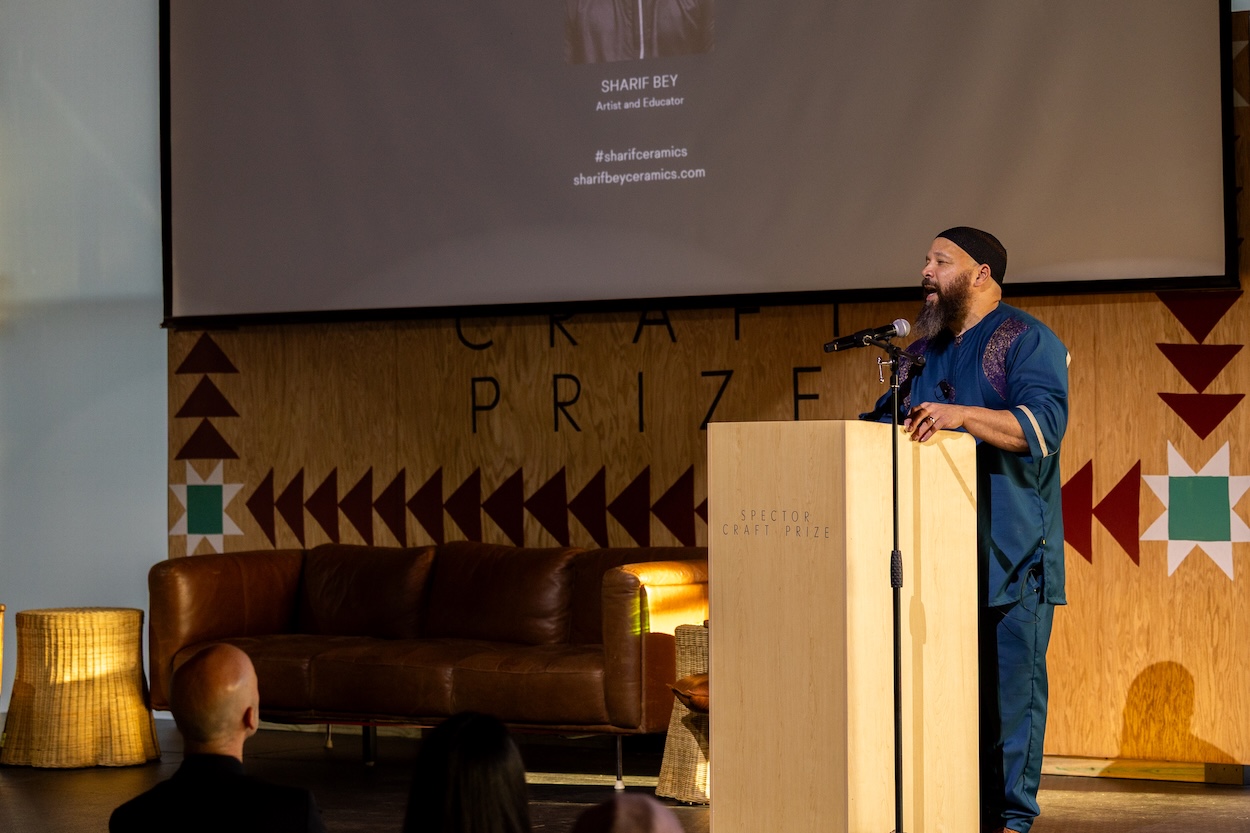
Spector Craft Prize winner Sharif Bey, a Syracuse, New York-based ceramicist and sculptor, found clay as a teen growing up in Pittsburgh, Pennsylvania, and now uses the material to create complex work that explores his own origins making studio pots and as a member of the African diaspora. As part of the award, the Crystal Bridges Museum acquired his large-scale piece Raptor Return, which takes the form of a wall-hung necklace with 246 ceramic talon beads, for its permanent collection.
The five Spector Craft Prize for Emerging Artists honorees, Demetri Broxton, Vivian Chiu, Merryn Omotayo Alaka, Luke-Thomas Tokimasa Henderson, and Japheth Asiedu-Kwarteng, represent the next generation of craft. In a group panel moderated by Adamson, they each explained how heritage has influenced the work they make—from Chiu’s plywood sculptures, constructed using pine shipping crates reclaimed from her family’s former factory in Hong Kong, to Tokimasa Henderson’s delicate kites, built with handmade paper from fibers he grows in his native Hawaii and reed frames he bends and forms like traditional Polynesian canoes.
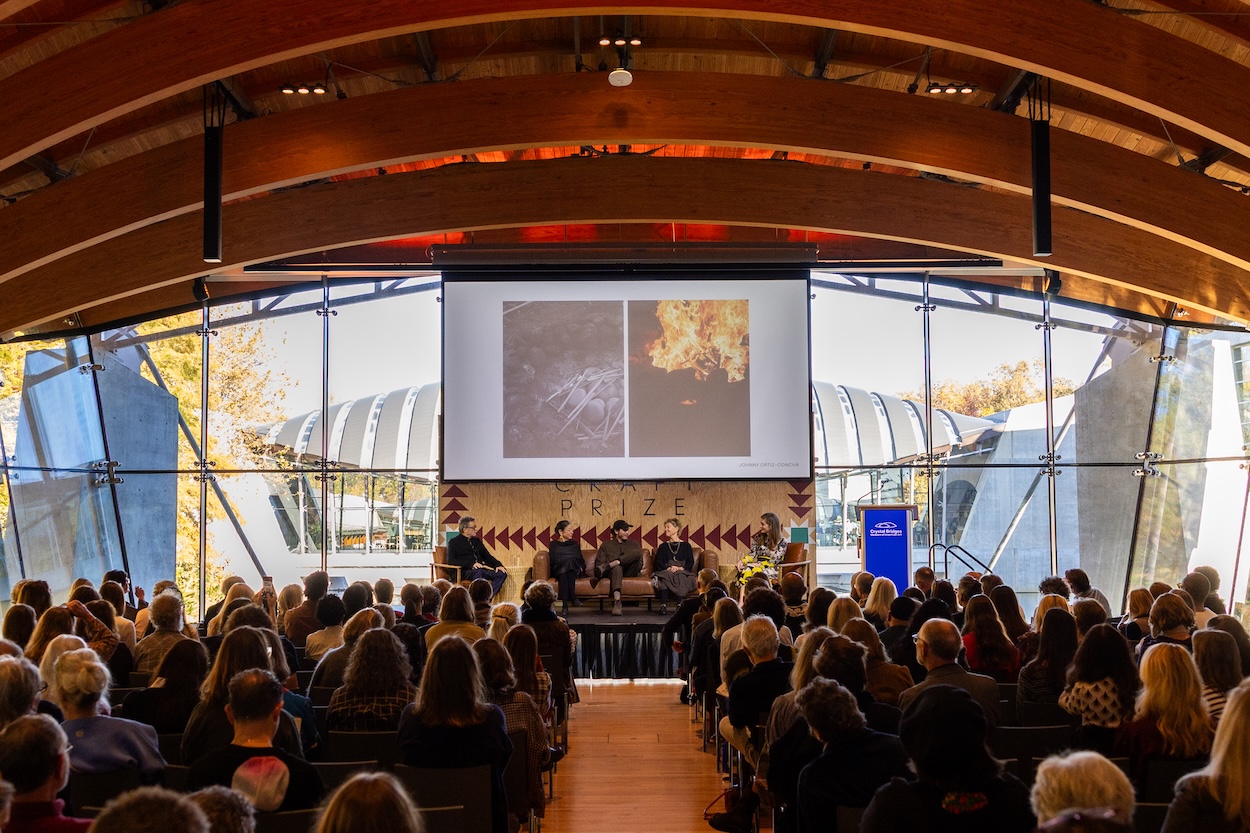
“Whatever culture we come from or traditions we practice, makes us unique, and it shows up in what we make,” said Ghanaian-born artist Asiedu-Kwarteng during the talk. His mixed-media practice sometimes includes the collective work of the students he teaches in the ceramics program at the University of Texas Rio Grande Valley in Edinburg, Texas. Each Emerging Artist winner receives a $10,000 award, mentorship, and professional development opportunities to further their practice.
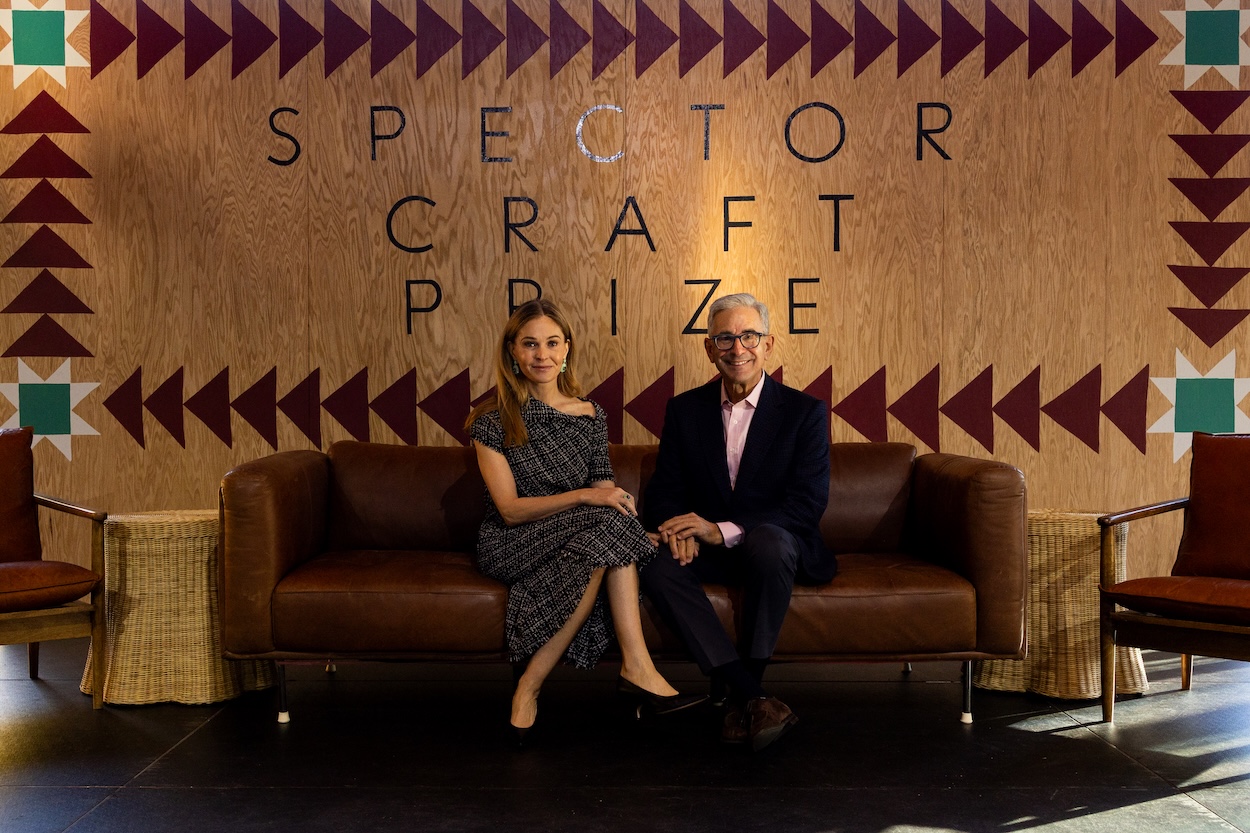
Patrons Abigail Klem and Warren Spector co-founded the Prize in 2025 with the goal to support and champion excellence in American craft. Klem offered a “five-word manifesto,” recalled Adamson. “What we make, makes us.” While the term “craft” has historically held a connotation that it is somehow of lesser value and cultural significance than the work of an artist or designer, the event proved that not only are industry opinions changing, but opening the field to such long-overlooked makers builds a stronger, richer, and more meaningful art canon.
In this third wave, “there is a fundamental continuity with previous craft movements, which were grounded not just in handmade aesthetics, but also always humanist ethics,” said Adamson. Opening the playing field reveals just how inherently tied to American culture, history, and the larger global art world craft truly is. Without these makers in the conversation, we’ve been missing the point.