The Whitney Museum and Gap Turn Roy Lichtenstein Into Something to Wear
Ahead of the museum's newest exhibition "Roy Lichtenstein: Like New," Nancy and Fred Poses Curator Meg Onli and The Whitney's Director of Retail & Licensing Jack Sachs discuss bringing the Pop artist's images to hoodies, varsity jackets and baseball hats.
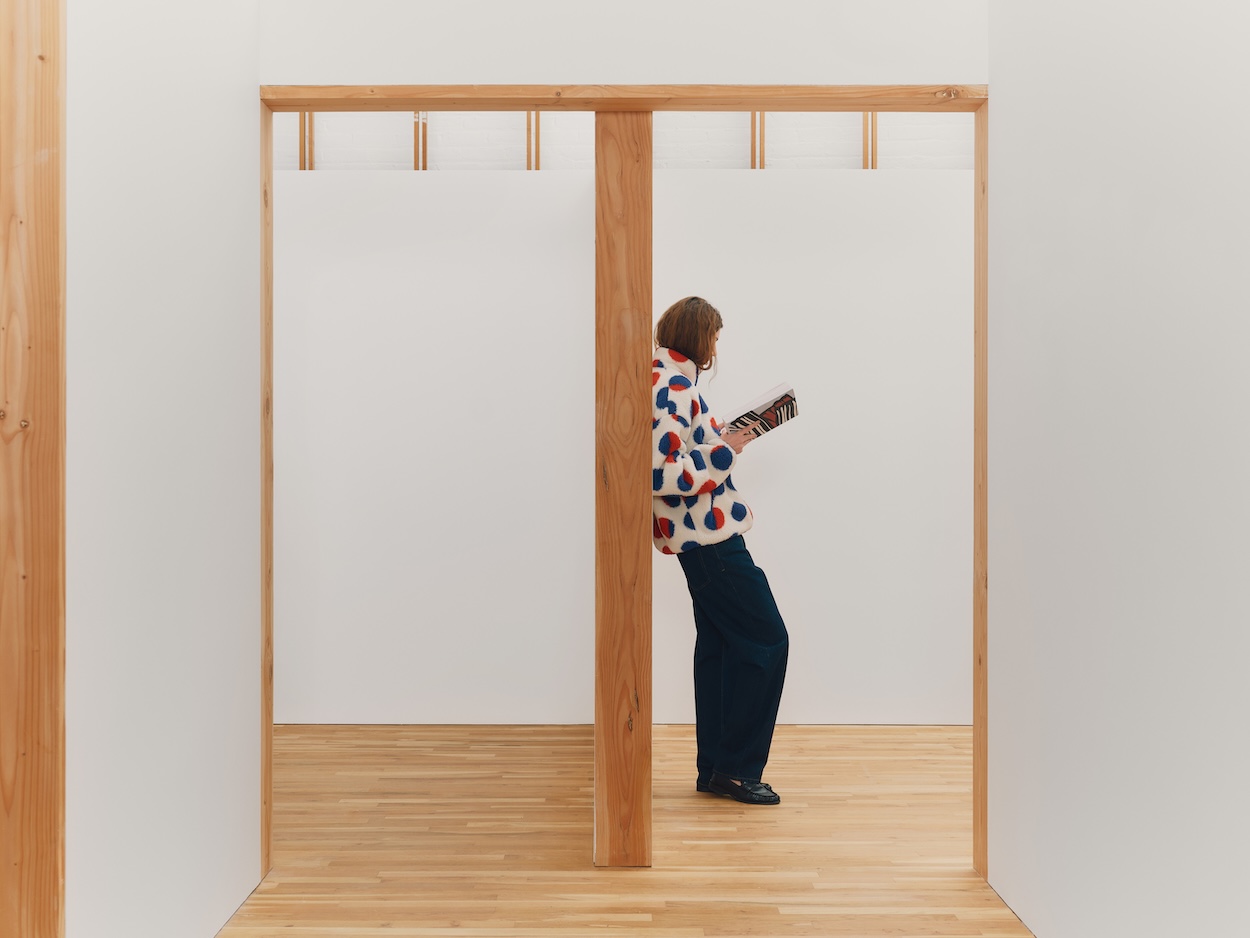
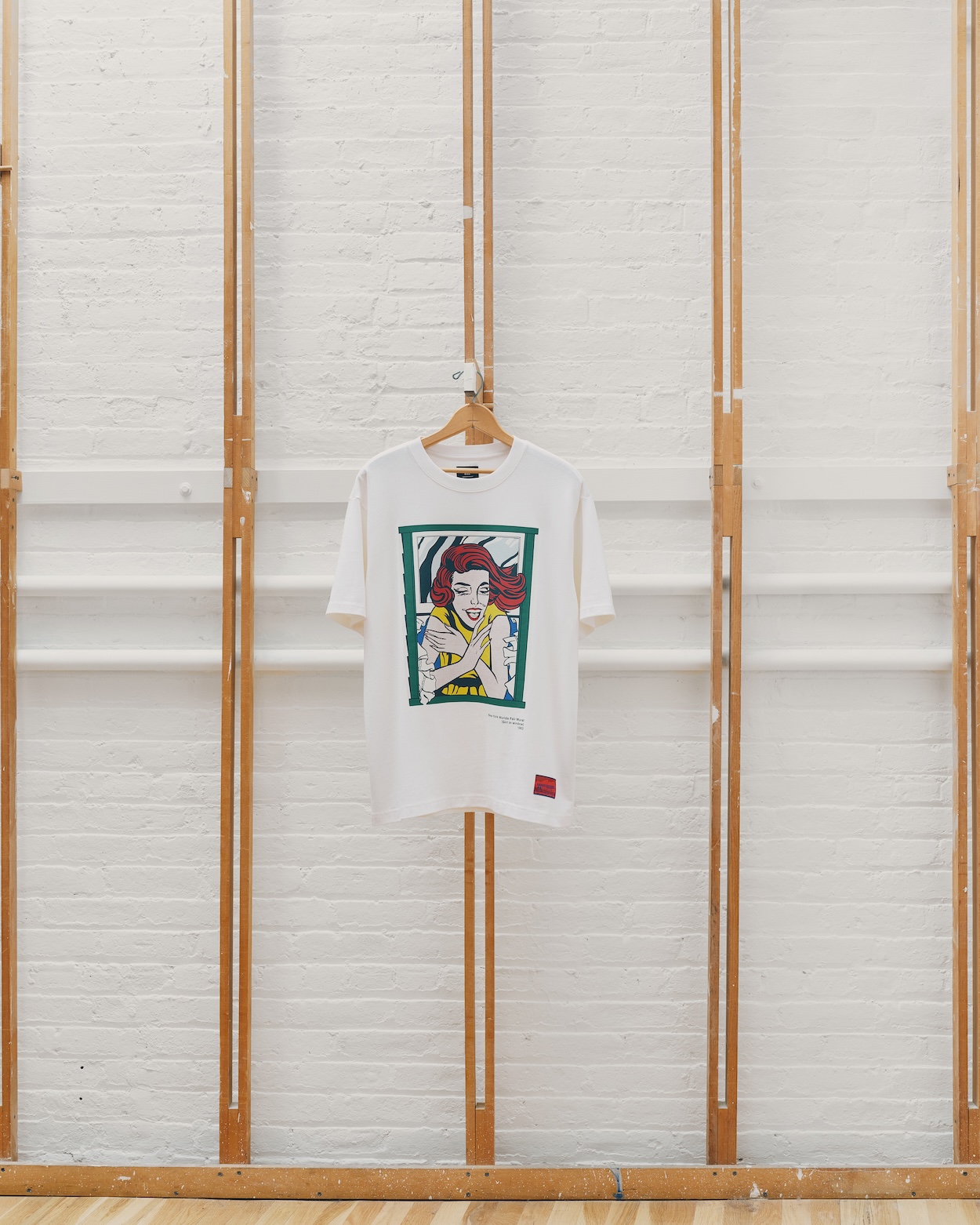
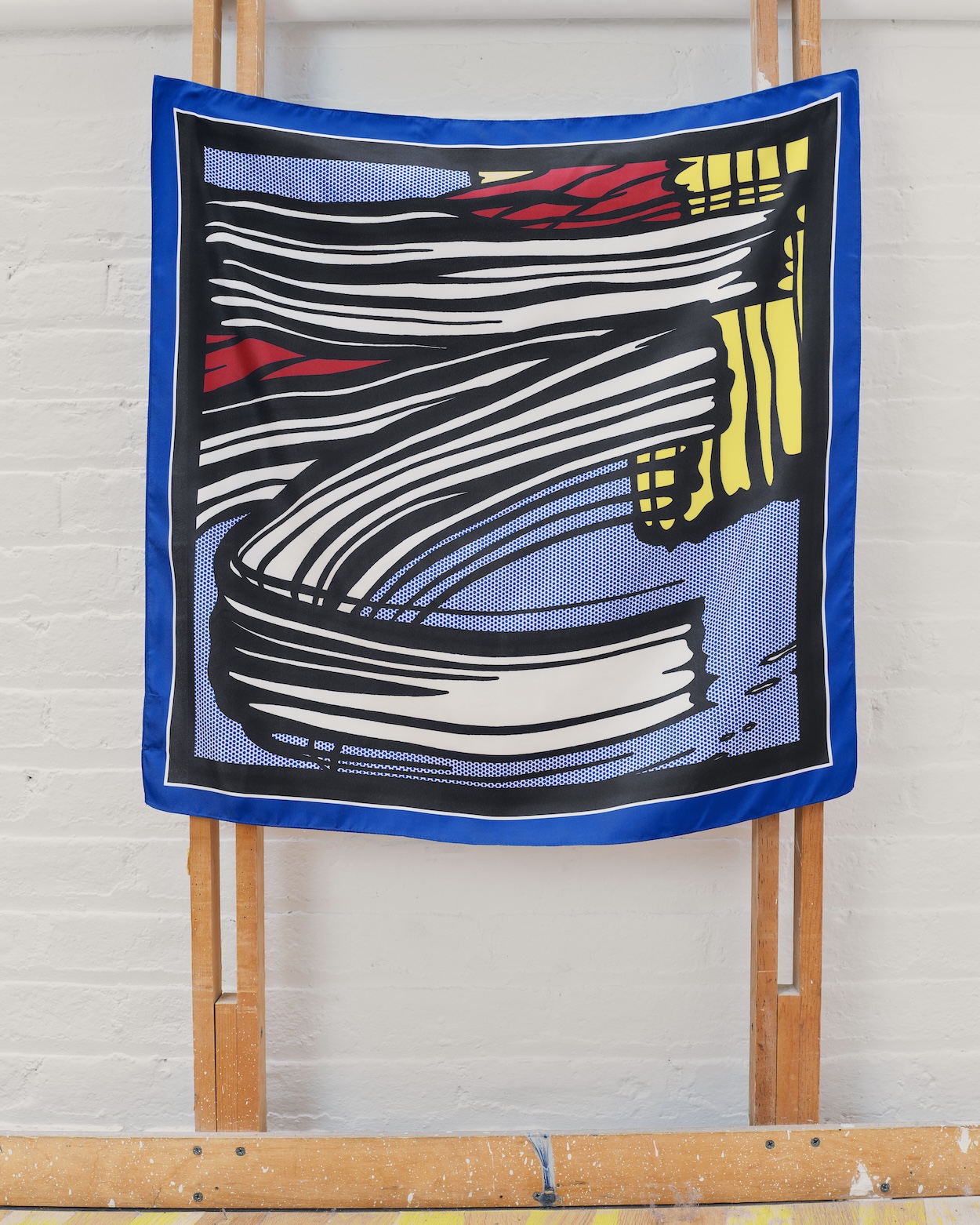
To mark “Roy Lichtenstein: Like New,” the first major New York museum exhibition of the artist in decades, the Whitney Museum of American Art has partnered with Gap and the Estate of Roy Lichtenstein on an 18-piece collection that translates works from the exhibition into everyday wardrobe pieces. The line includes a varsity jacket, hoodies, tees, baseball hats, and more, featuring some of Lichtenstein’s most recognizable works, including Laughing Cat, Crying Girl, Little Big Painting, and Knock! Knock! Every design references a work in the show, and the Estate lent original paint samples to guide the colors.
Co-curated by Meg Onli and artist Alex Da Corte, the exhibition looks past Lichtenstein’s familiar comics and dots toward his brushstrokes and studies of perception. Here, Onli and the Whitney’s Director of Retail & Licensing Jack Sachs explain why the collaboration feels like a fluid extension of his ideas.
The Girl in Window Graphic T-Shirt.…
Roy Lichtenstein: Like New is the first major New York museum survey of Lichtenstein’s work in decades. What felt most important to reconsider about his practice for audiences today?
Onli: Early on, Alex and I felt that Lichtenstein’s work could resonate differently with audiences today because appropriation and image circulation are now so embedded in our visual culture. We’re constantly encountering pictures that have been altered, reposted, and detached from their original sources. That makes many of the questions at the center of Lichtenstein’s work feel newly familiar. What happens when something is lifted from one setting and transformed into another? Where does originality reside? And how does repetition change the way we see? We wanted the exhibition to offer a fresh encounter with an artist whose imagery has become so familiar that it can be easy to overlook just how strange and rigorous the work is.
The exhibition looks beyond the imagery that Lichtenstein is most commonly associated with. What aspects of his practice were you and Alex Da Corte most interested in bringing to the forefront in this show?
Onli: We were interested in moving beyond the shorthand of Lichtenstein as simply the artist of comics and dots. When you look across the full span of his career, you see someone returning again and again to questions about how pictures function, how we recognize them, and what happens when representation begins to break down. That meant foregrounding his early experiments with perception at Ohio State, his extraordinary mirrors and brushstrokes, the Artist’s Studio works, and his sustained engagement with other artists and art history. Across these bodies of work, he continually tests the distance between an image and the thing it claims to represent. For us, that opened up a much more expansive and complicated Lichtenstein.
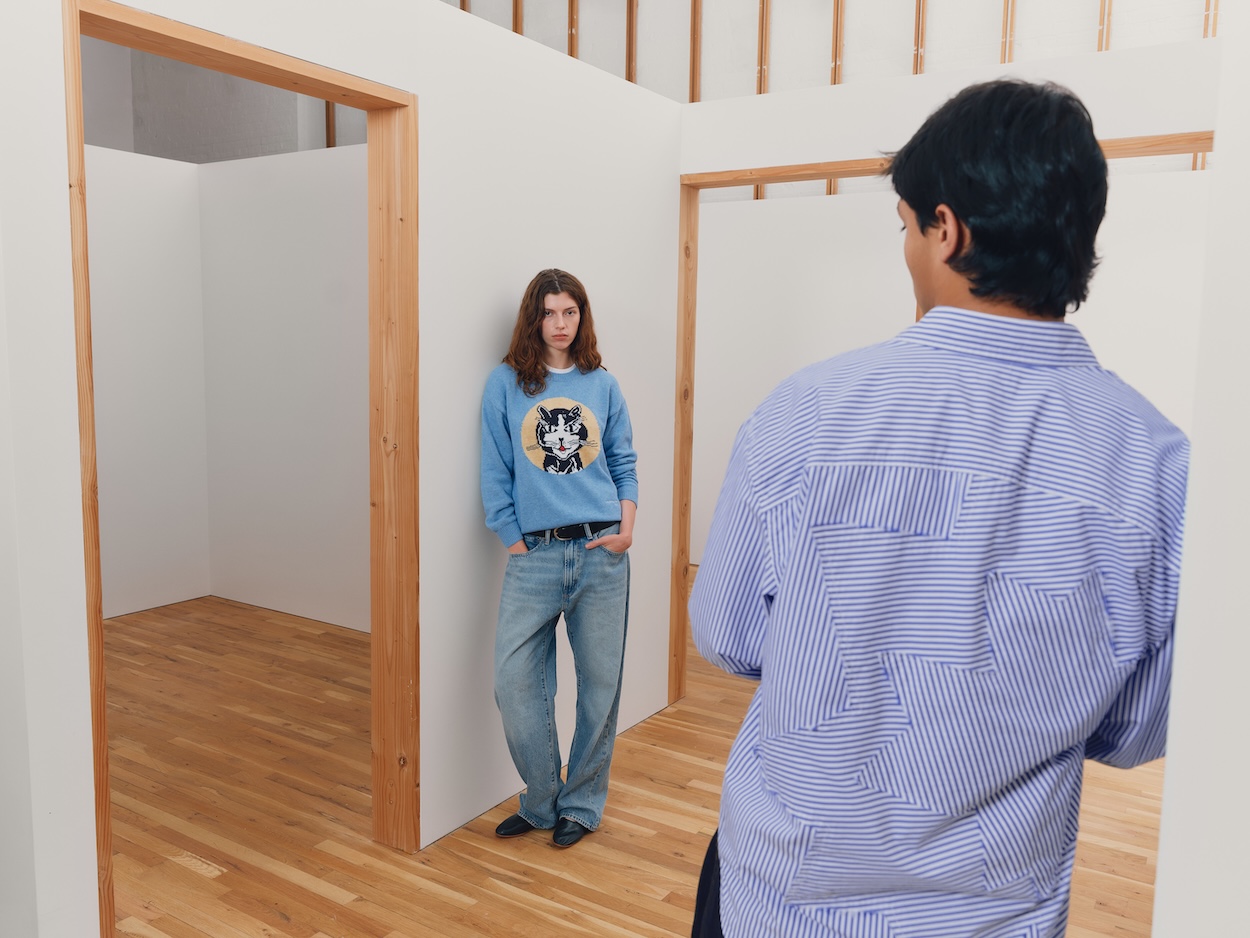
The Laughing Cat Sweater and the Standing Explosion Poplin Shirt. …
Fashion and popular culture were integral to the visual landscape that Lichtenstein was responding to. How does the Gap collaboration extend the exhibition beyond the museum and into contemporary culture?
Onli: There’s something fitting about seeing Lichtenstein’s work decontextualized and recirculated once again. Throughout his career, he was fascinated by what happens when visual material shifts from one setting to another, and by forms that complicate the idea of the singular artwork, from multiples and editions to objects and wearables. The Gap collaboration carries that history into everyday life. The work moves beyond the museum and onto clothing, into stores, onto bodies, and through the city. Rather than simply reproducing familiar motifs, the collaboration activates a process that was already central to Lichtenstein’s thinking, allowing the work to acquire new meanings as it travels across spaces and audiences.
What made Gap feel like a natural partner for Roy Lichtenstein: Like New, and how did the collaboration first come together?
Sachs: The collaborator for a pop art-inspired project had to take up space as meaningfully as the artist did himself. Gap has always been a dream partner for both The Whitney and our friends at the Estate of Roy Lichtenstein. Both are American icons, who since the 60’s, have been making and mirroring culture. I made a few careful calls and passionate pitches and things started coming together quickly with Gap. The guidance of the Estate and inspiration of our curator Meg Onli kept us rooted in Lichtenstein’s tradition and legacy.
The Little Big Painting Scarf.…
How did the teams approach translating Lichtenstein’s work into apparel while maintaining the integrity of the original artworks?
Sachs: This collection isn’t just an inspiration from Lichtenstein, it’s a celebration of the particular exhibition opening now at the Whitney, co-curated by Meg Only and Alex De Corte. With that, we worked carefully with the Estate and the curators to cite only works featured in the actual show. The Estate lent actual paint samples to Gap for color reference; the dedicated Gap designers reviewed fabric and print techniques to remain true to the spirit of Lichtenstein’s craft as well as the theories of his practice.
How do collaborations like this allow the Whitney to reach audiences who might encounter Lichtenstein through fashion before experiencing his work in the museum?
Sachs: It’s humbling to work with global partners on art-centered projects. Using Gap’s global reach expands the museum’s reach and brings our storytelling and exploration to folks where they are at. There is of course intent to expose our own brand and build long term commercial relationships- but everything we do at this scale must also tie back to our mission. That mission is centered on creating dialogue around art and I’m thrilled about what we’ve delivered here with Gap and the Estate of Roy Lichtenstein.