Madrid is home to especially established cultural institutions like museums the Prado and Reina Sofia; home to Velázquez’s famous Las Meninas painting and Picasso’s seminal Los Pájaros Muertos respectively. The vibe is staid, conservative even. And yet, beyond the Spanish capital’s grand Baroque palaces, imposing Art Deco bank towers, and stately tree-lined boulevards, are repurposed repair shops; multi-use slaughterhouse complexes; and kooky, lesser-known museums that play host to a thriving yet oft-overshadowed creative scene.
Mayrit Bienal Uncovers Madrid’s Oft-Overlooked Experimental Creative Scene
This year’s edition of the multidisciplinary festival prompted artists, architects, and designers to develop speculative projects challenging the omnipresent (super)model frameworks that define our present day
BY ADRIAN MADLENER May 27, 2026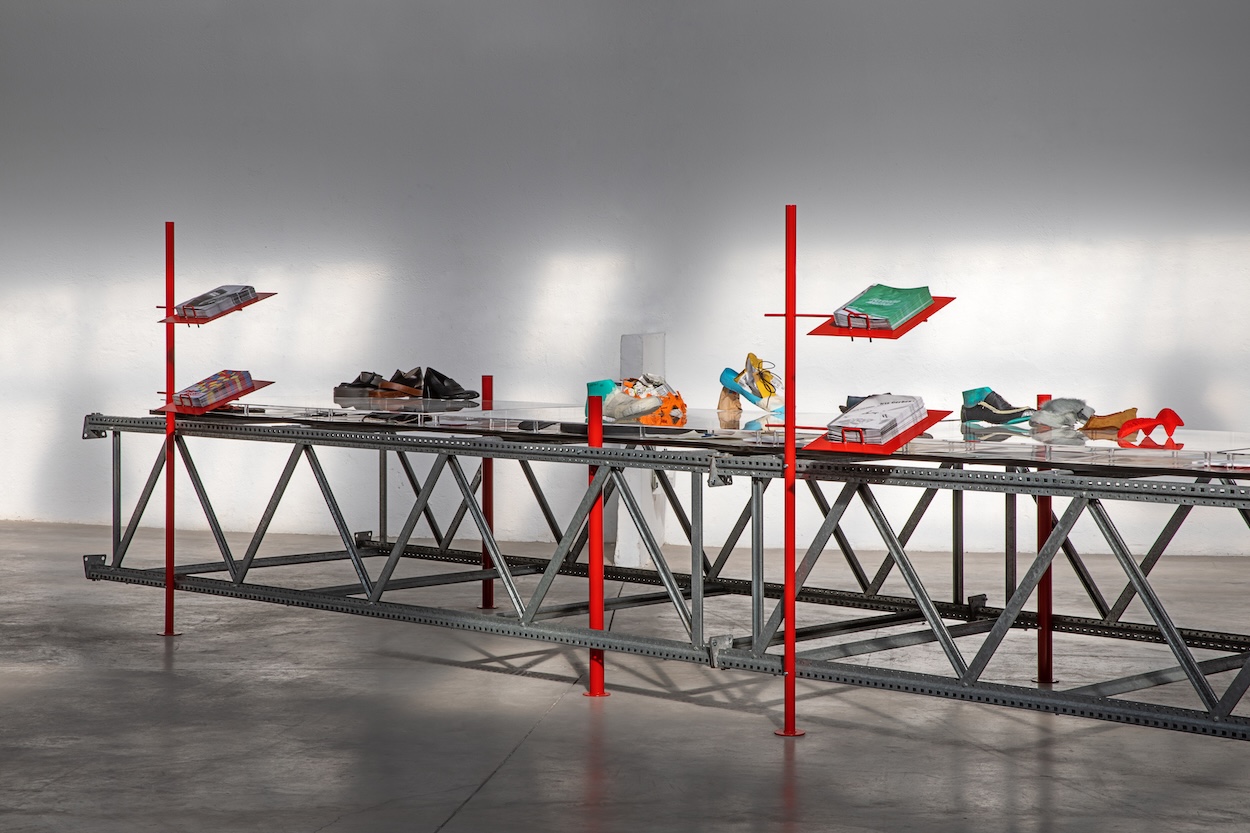
Courtesy of Fundación Camper
…
Courtesy of Mayrit Bienal
…
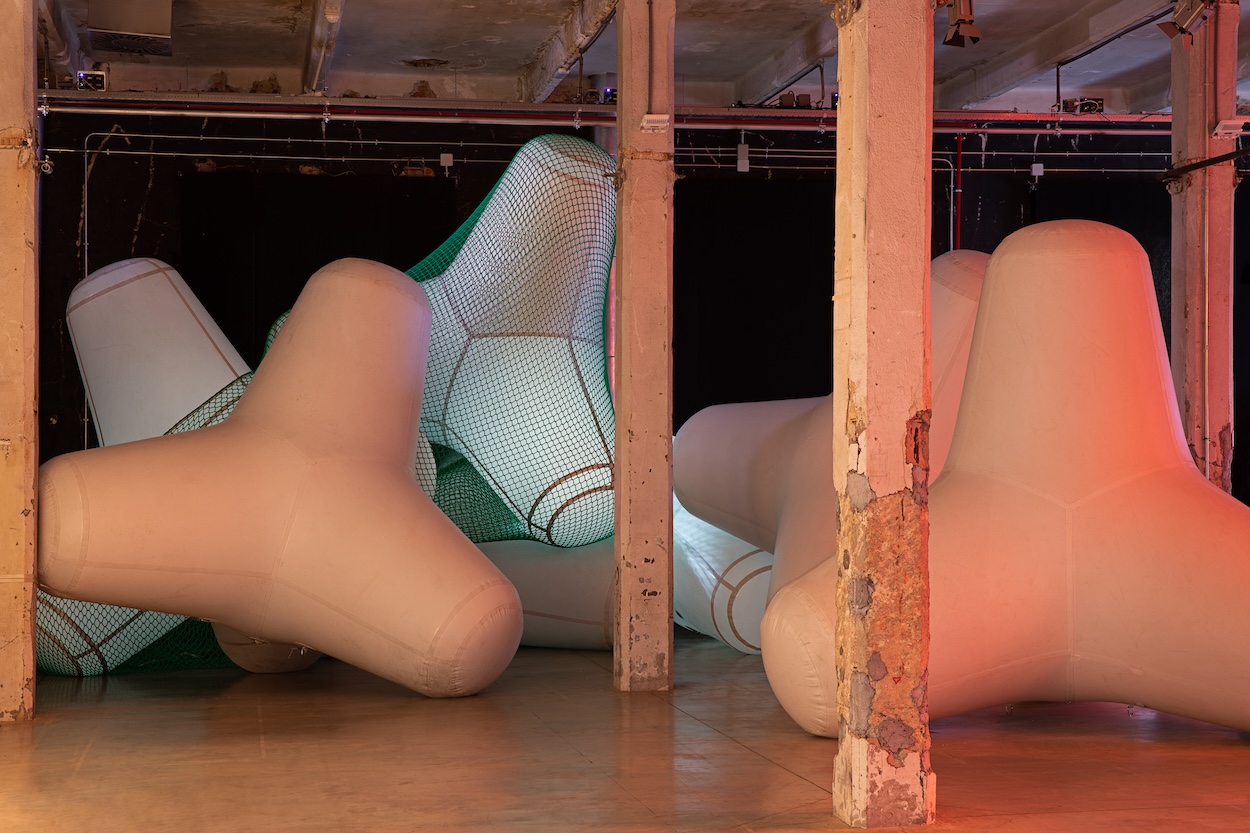
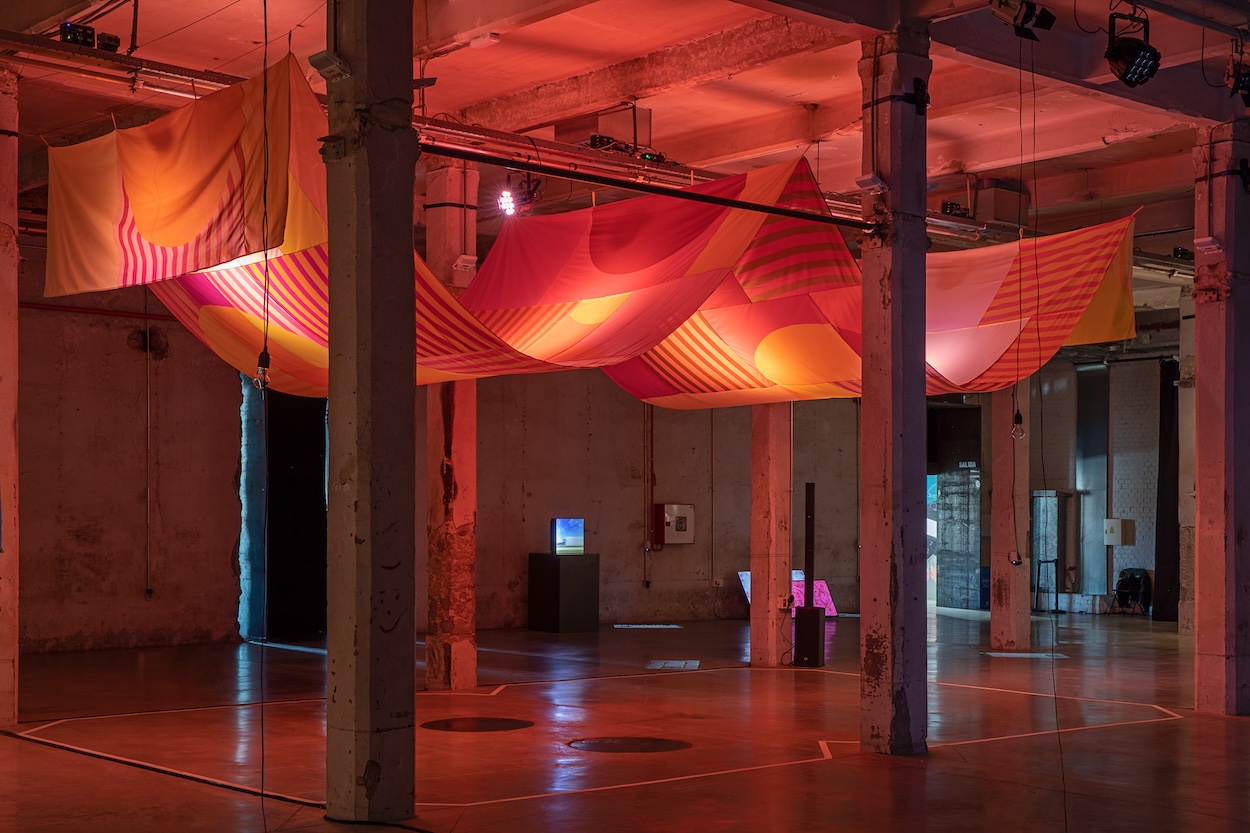
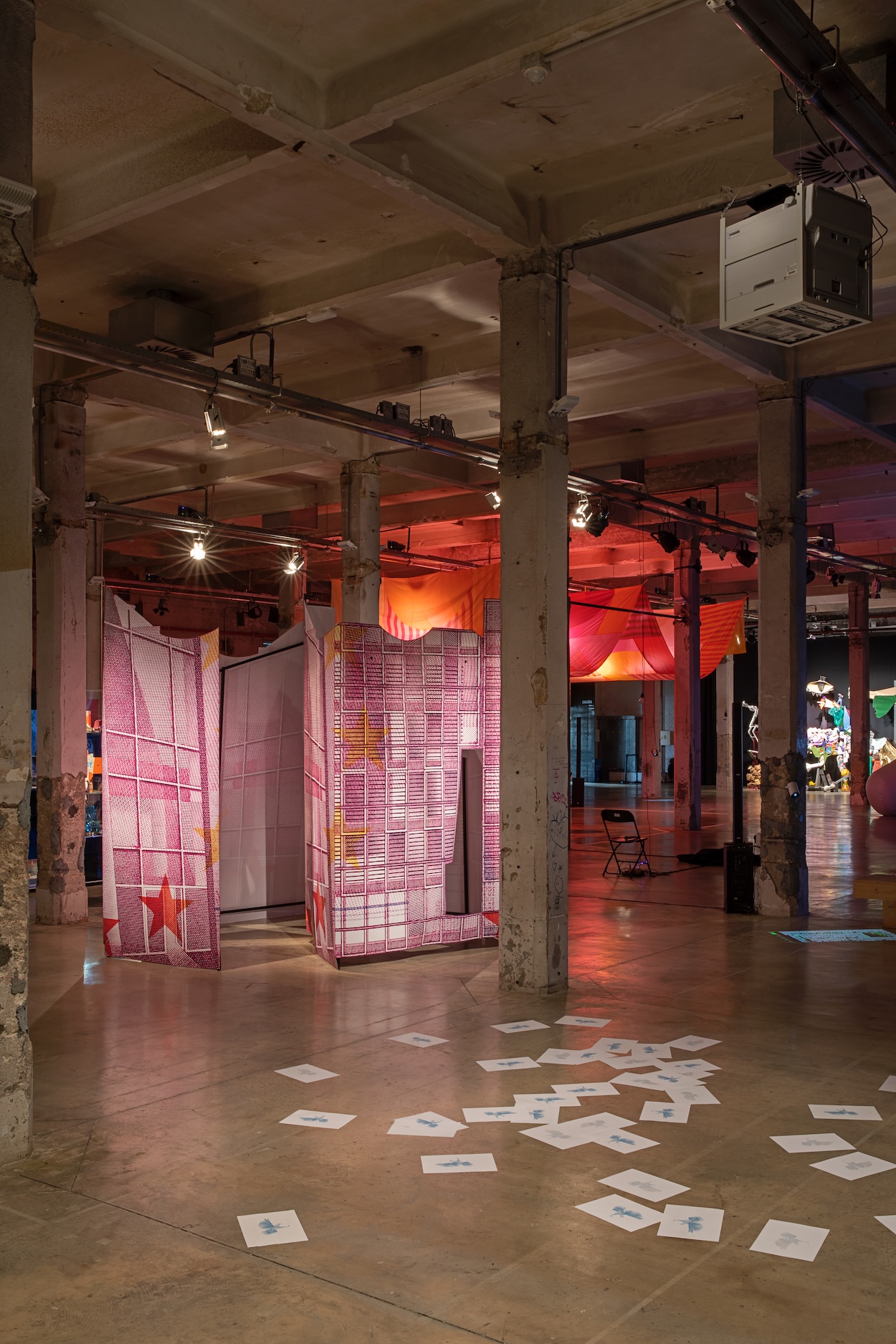
Brought to light by the relatively new Mayrit Bienal—now in its fourth edition and on view through the end of the month—this scrappy yet resourceful community of contemporary artists, architects, and designers (some visiting from abroad) leans toward the experimental, interdisciplinary, and provocative. Installations, performances, symposia, and workshops unfold across these locales. What’s collectively expressed is deeply responsive to place yet universal in scope.
Courtesy of Mayrit Bienal
…
Unlike other design weeks—Madrid’s own trade-oriented event in February and early March for example—this citywide happening opts for critical discourse over marketing and sales. Established by Miguel Leiro—an educator, curator, and award-winning designer in his own right, who seeks to push the field past its conventional commercial confines—the event focuses on central yet broadly interpreted themes; currents with actual relevance but treated speculatively.
Courtesy of Mayrit Bienal
…
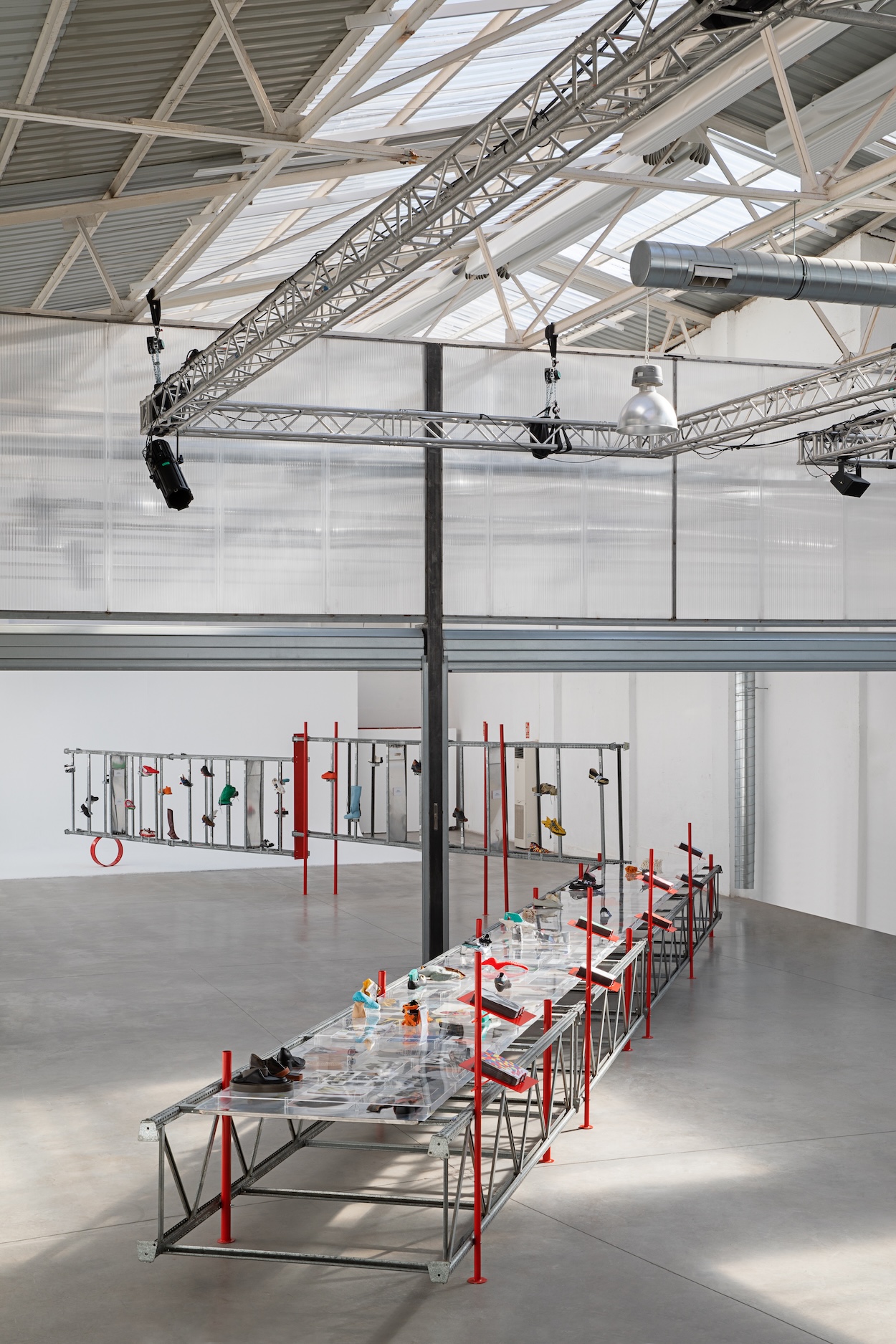
Formulated by Berlin-based art critic Mohammad Salemy and Portuguese curator Eduarda Neves, this year’s edition focuses on the topic of (Super)Models: the hard to shake frameworks; increasingly complex systems that run in the background of and implicitly define much of contemporary life.
“SuperModels are highly promiscuous and flexible, lacking ideological orientation or loyalty toward the political left or the right, as they can be utilized toward opposing objectives by different players,” Salemy and Neves’s curatorial statement shares.
Courtesy of Fundación Camper
…
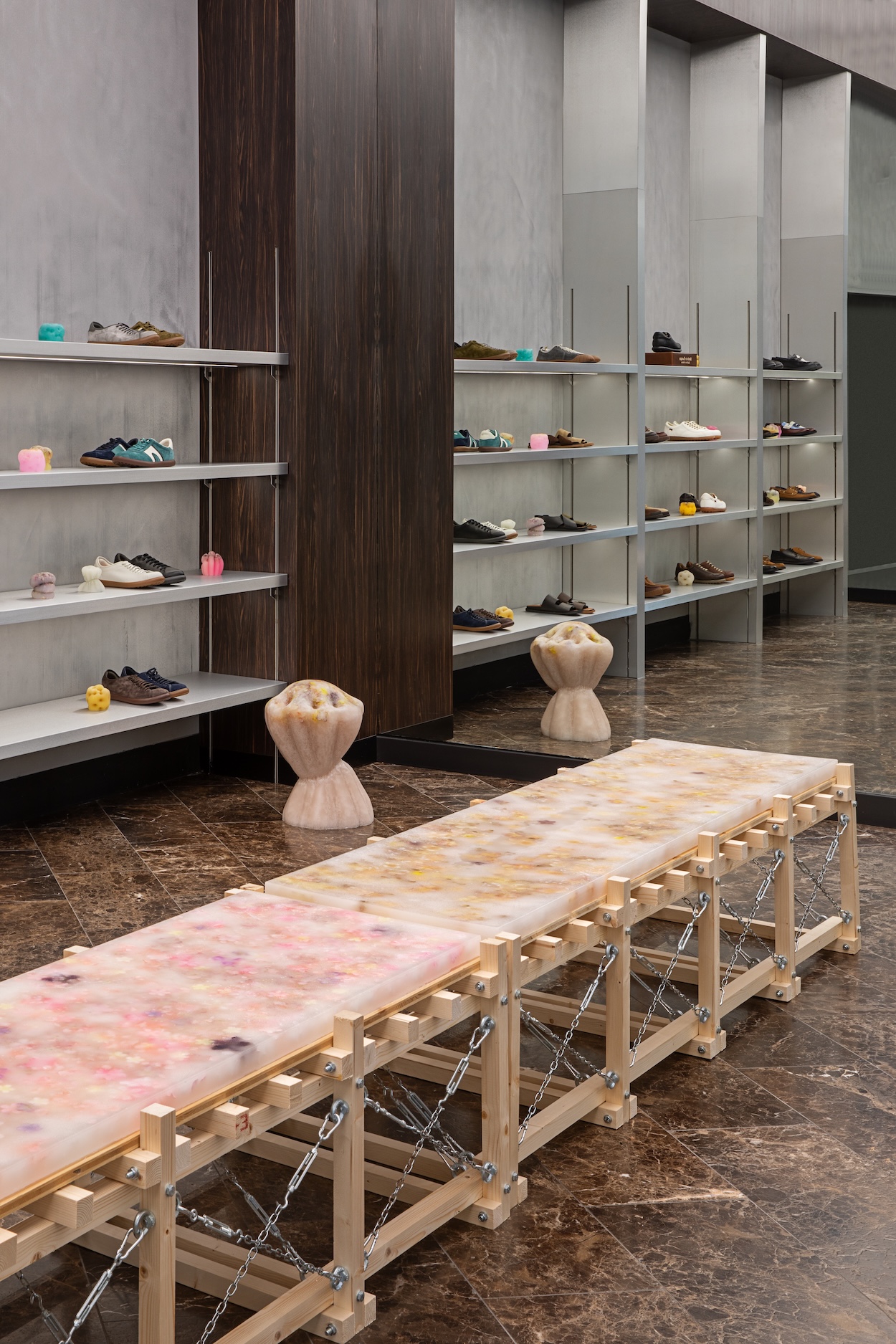
“Thus, as both material objects and cognitive concepts, SuperModels operate and are perceived on a spectrum between two perspectives: productive agents of emancipation and restrictive disciplinary mechanisms. Given their expanding role in our contemporary world, this duality requires rigorous engagement with their transformative potential and inherent risks.”
Courtesy of Fundación Camper
…
One of the more striking responses to this prompt is the interactive IBEX36 Material Culture = Material Culture project imagined by research-led practitioner and educator Saúl Baeza. Mounted at Museo Nacional de Artes Decorativas (the National Museum of Decorative Arts), the installation—complete with live ticker tape—presents an algorithmic model in which selected works from the institution’s collection are evaluated according to the current Spanish Stock Exchange market value of the raw materials they incorporate. The provocational proposal challenges the standards of hyped cultural worth usually ascribed to these historically significant objects.
Courtesy of Andrea Muniáin
…
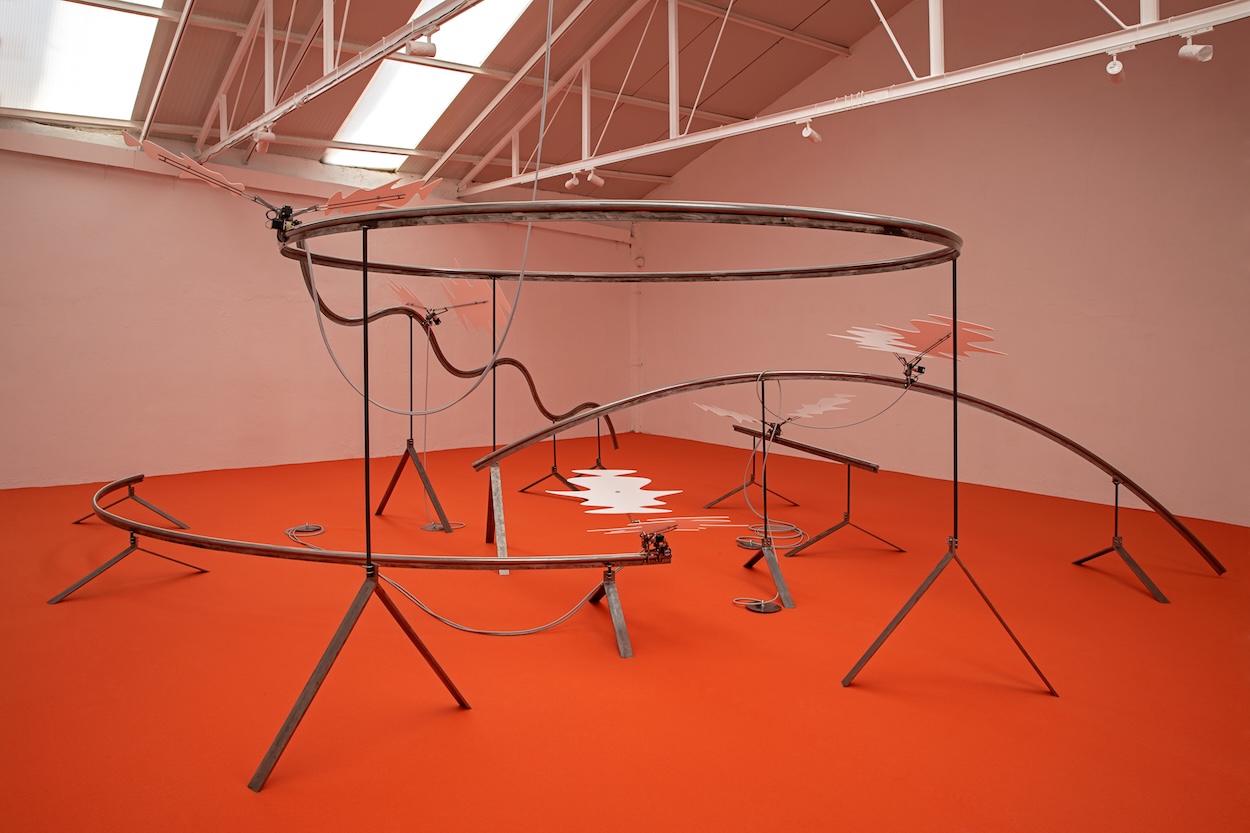
Up-and-coming architect and researcher Andrea Muniáin developed the Dance Swarm Optimization installation as a way of analyzing how 3D modeling has fundamentally changed architecture practice. Presented at new-format gallery Navesierra, the project references bird movement patterns both as a call back to the swarm optimization algorithm model used in early intelligence gathering and a traditional maypole dance from the Navarre region of Spain. Motorized bird-robots move along slung tracks as they respond to music and dance.
Courtesy of Ludovico Grantaliano
…
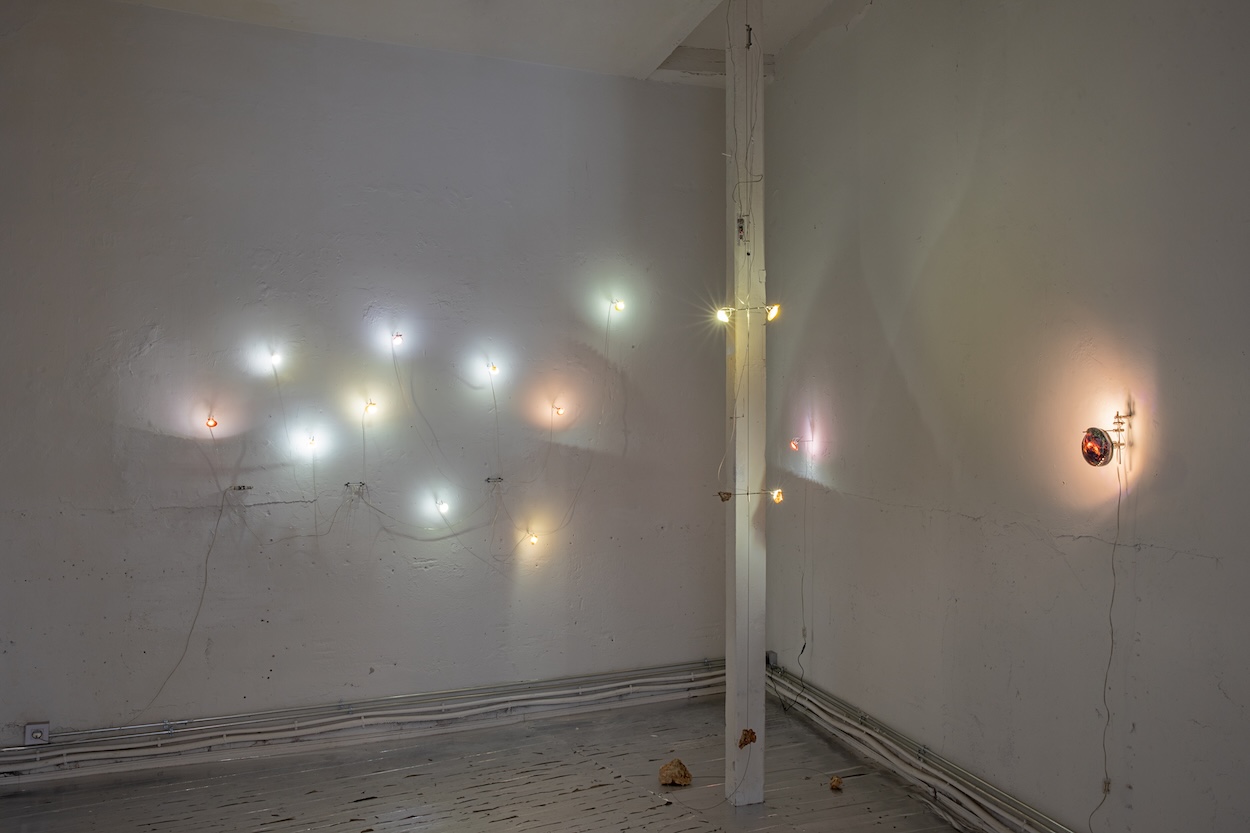
Rome–based designer Ludovico Grantaliano chose to interpret the theme as the age-old human fascination of appropriating natural forms into structural components. His MADRE lighting collection implements collected shells as light diffusers anchored in place by contrasting industrial rigging. The intricate, innate, yet idiosyncratic formation each element carries makes for unexpected pattern and color projections.
Courtesy of Espace Aygo
…
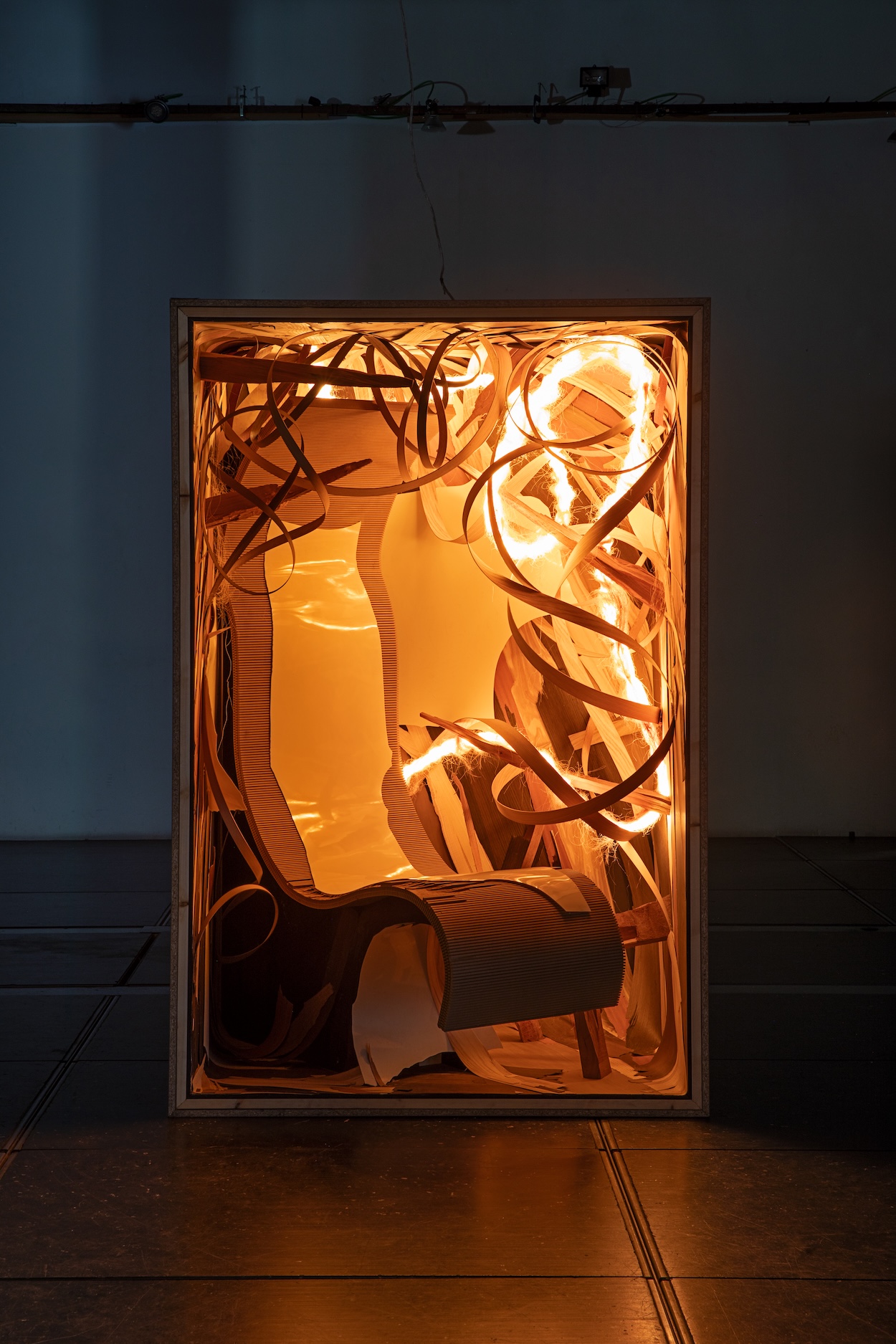
Also of note is radical Brussels–based collective Espace Aygo’s Unboxing installation, developed with Spanish wood materials brand Finsa. Seven conveyor-belt-inspired, theatrically sequenced vignettes conceptually play up the often forgotten realities of convoluted material supply chains. The first box reveals a space in which all interior surfacing has yet been introduced. All that’s apparent is the organic earth that lies beneath the rectilinear structures we inhabit. The middle one presents as a sleekly finished, crystalline space. The last is composed of the same surface material but it’s been completely destroyed, peeled up as if to uncover what lies beneath.
“With this installation, we investigate our dependence on rigid models, whether industrial, technological, or computational, exposing how, once they exceed the limits of control, they generate their own collapse,” a project description aptly states.