This year, Ernest Hemingway’s debut novel, The Sun Also Rises, celebrates its centenary. Within the seminal work, American and British expatriates in post-World War I Europe venture from Paris to Spain as they reflect on their lives and the circumstances of the times. It’s with this narrative architecture in mind, coupled with the storied lives of Picasso and Coco Chanel, that elite travel organization Black Tomato designed The Lost Generation, a 12-day journey through Paris, Biarritz, San Sebastián, Rioja, and Madrid. In an age of A.I.-generated itineraries, the experience Black Tomato offers here—literary, high-touch, and lived—is sensation-oriented rather than checklist-driven. To learn more about the multicultural immersion, Surface spoke with Black Tomato co-founder Tom Marchant.
Translating a Hemingway Centenary into a Journey Across France and Spain
David Graver June 02, 2026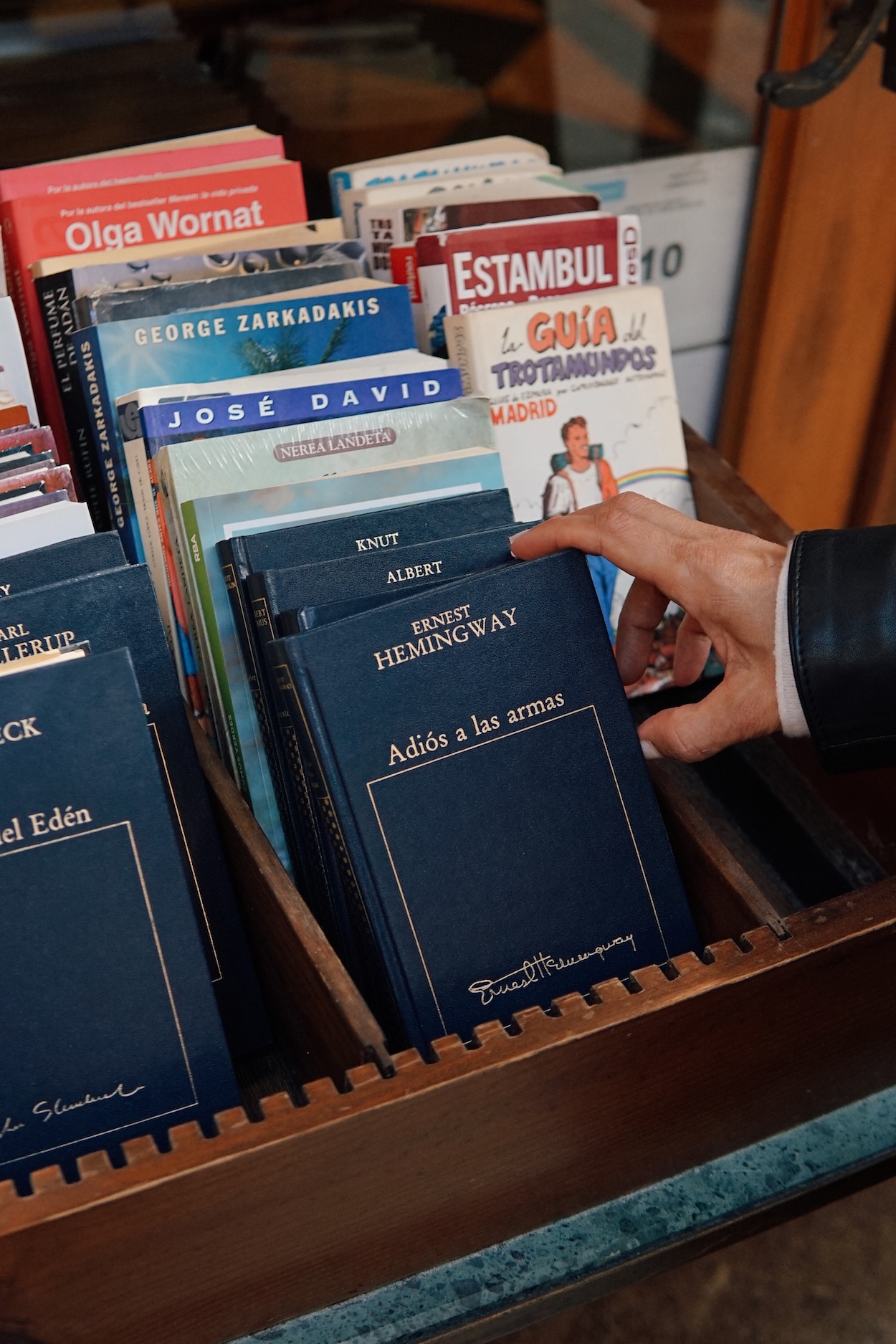
What made you look toward Hemingway’s The Sun Also Rises as one of the starting points?
It was one starting point among a few. This year marks 100 years since the novel was first published, which gave us a moment and a reason to revisit it, but the trip was never going to live on Hemingway alone. What drew us to this geography is something bigger than any one book. Paris in the 1920s was this extraordinary concentration of creative energy, and what draws me to it personally is that it wasn’t just literary. My great-grandfather was an art dealer in Paris around that time, which gave me an early love for that city and its creative pulse. Hemingway was there. Picasso was there. Chanel was there. Not in separate worlds but in the same city, in some cases the same rooms, all trying to make sense of what Europe had become after the war and what it meant to create something new in it. That convergence is what the trip is really about. The novel gave us the geographic spine, Paris south toward the Basque coast and into Spain, but the story we’re telling is wider than that.
Great literature gets under the skin of a place in a way that is almost subliminal. Not the logistics of it, but the feel of it, the culture, the rhythm of daily life. It changes what you’re looking for, what you notice, how a place feels. Take Me On A Story grew out of that same belief, and The Lost Generation comes from the same instinct.
How did you bridge the past, present, and future here?
The question I kept coming back to while designing this was not just what did they find here, but what would they find if they came today. Where would Hemingway imbibe? Who would Picasso be spending time with? What would Chanel be eying in a museum? Because the conditions that pulled that generation to this route, the quality of the light, the mix of cultures, the food, the particular restlessness of these cities, none of that has gone away. It’s just in different hands now.
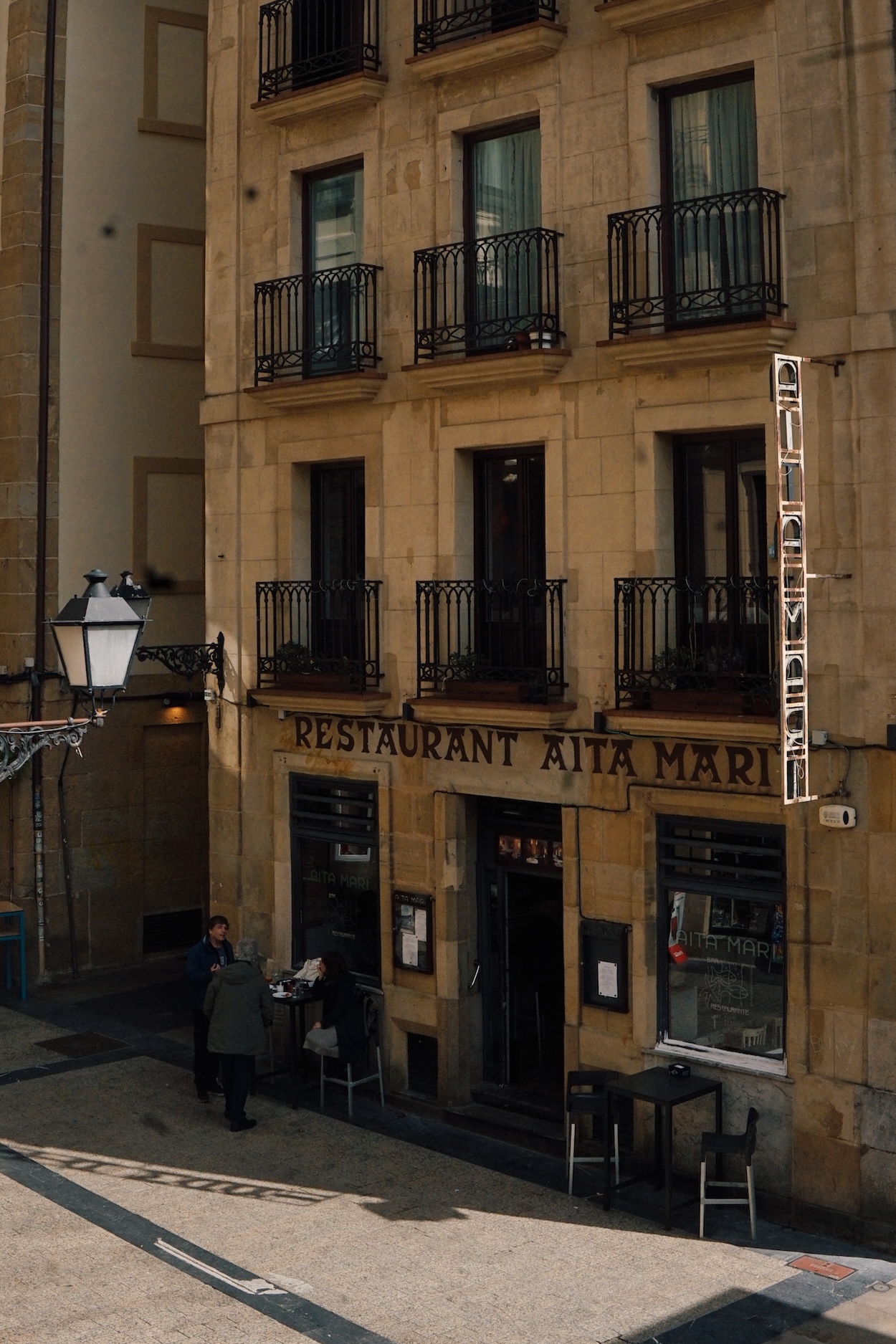
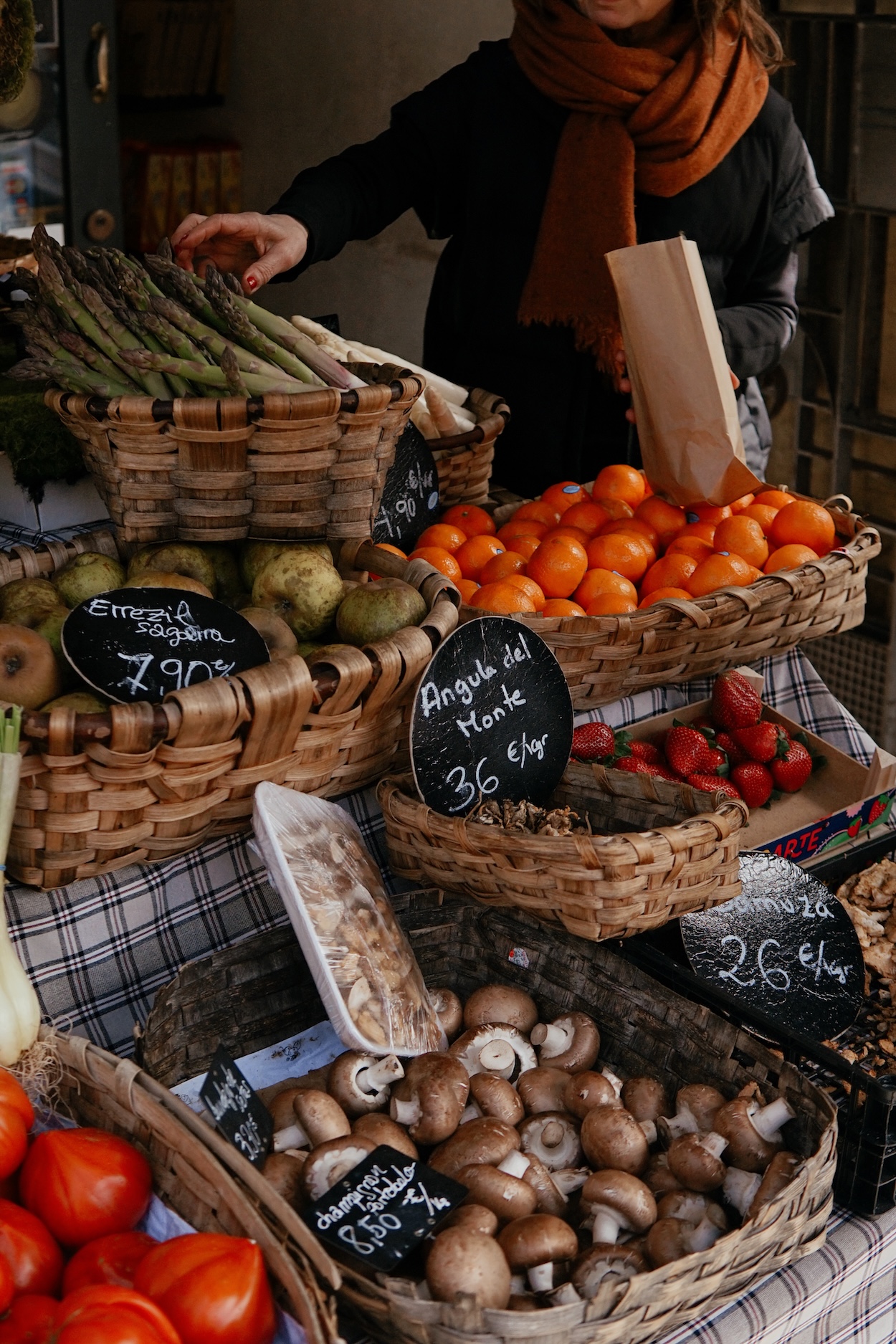
So the trip is designed through this lens. That means Biarritz not just as the town Chanel understood, but as it exists today, still carrying that quality of attracting a certain kind of person without trying too hard to explain itself. San Sebastián not as a stop on a literary map but as one of the great food cities in the world right now, with a culture of private gastronomic societies that have been cooking for each other behind closed doors for generations, and that we open up for the people we bring here. And Madrid not just as the city that holds Guernica, but as a place with a burgeoning creative class whose work is in active conversation with that same inheritance. We take travelers into those ateliers. We make those introductions.
The goal was a trip that feels nostalgic and forward-looking at the same time. Something that honors what was made along this route while asking what comes next. The kind of journey that doesn’t just appeal to people who love these figures, but one that might fuel the next generation of writers, artists, and makers who travel it.
Can you speak to the way you weave Paris, Biarritz, San Sebastián, Rioja, and Madrid together?
The way these places connect is not accidental and is something we plan with intention with any Black Tomato trip. For this, Paris is where everything begins. The Left Bank, the cafés of Montparnasse, the particular density of that creative world in the early twentieth century that still exists today. You feel the weight of what was made there, and the restlessness that pushed people to explore things to the south.
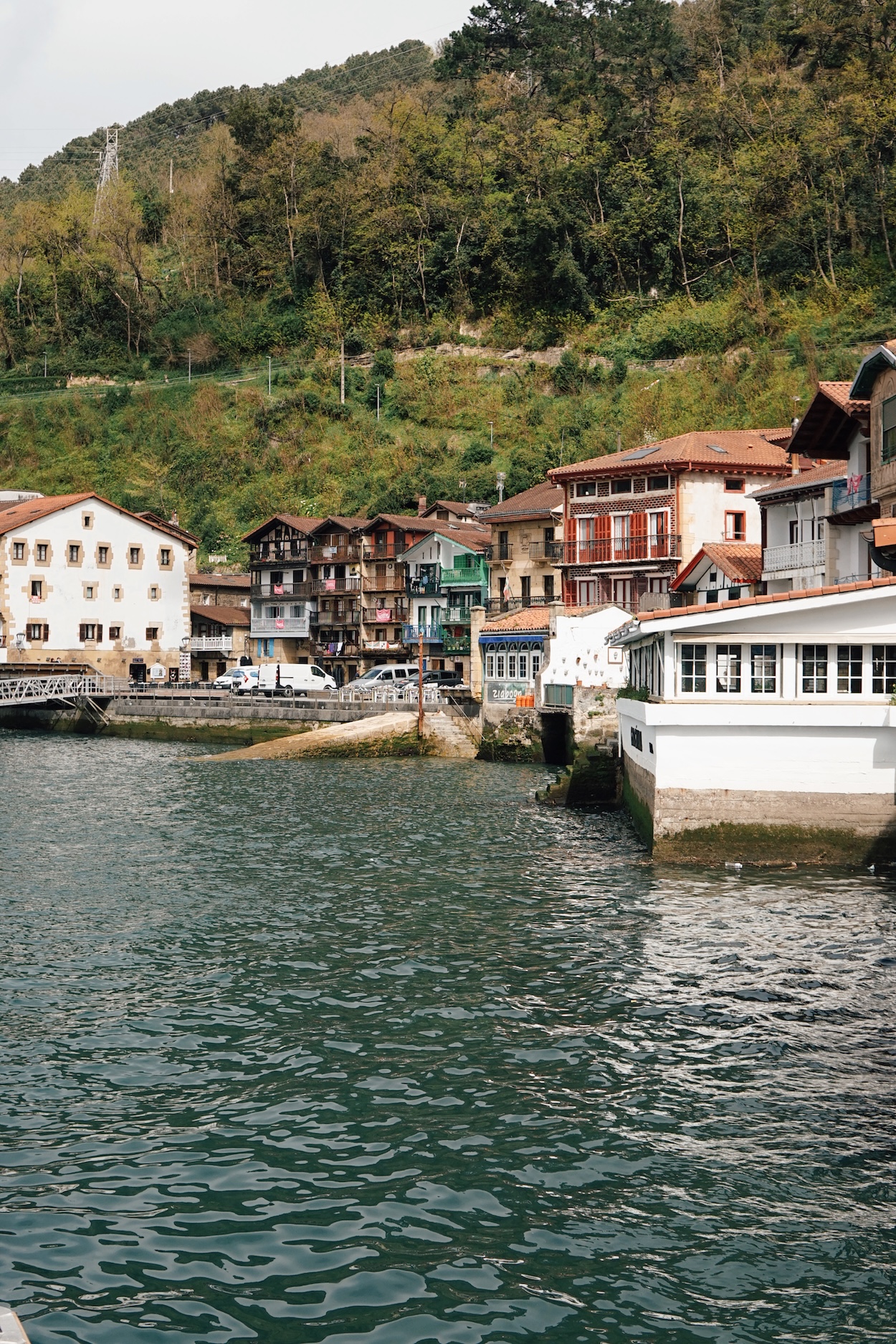
What happens after Paris is a gradual opening outward. Biarritz is where the Atlantic takes over and the scale changes completely. The surf, the Belle Époque grandeur on the cliff, the sense of a town that operates at its own pace and has no interest in explaining itself. Then San Sebastián, which is a city but an intimate one, outward-facing and confident, built around the curve of La Concha and the culture of its pintxos bars. You’re slowing down without losing energy. Rioja takes that further as you’re in the interior now, in older, more elemental Spain, surrounded by winelands and a peacefulness that is distinct.
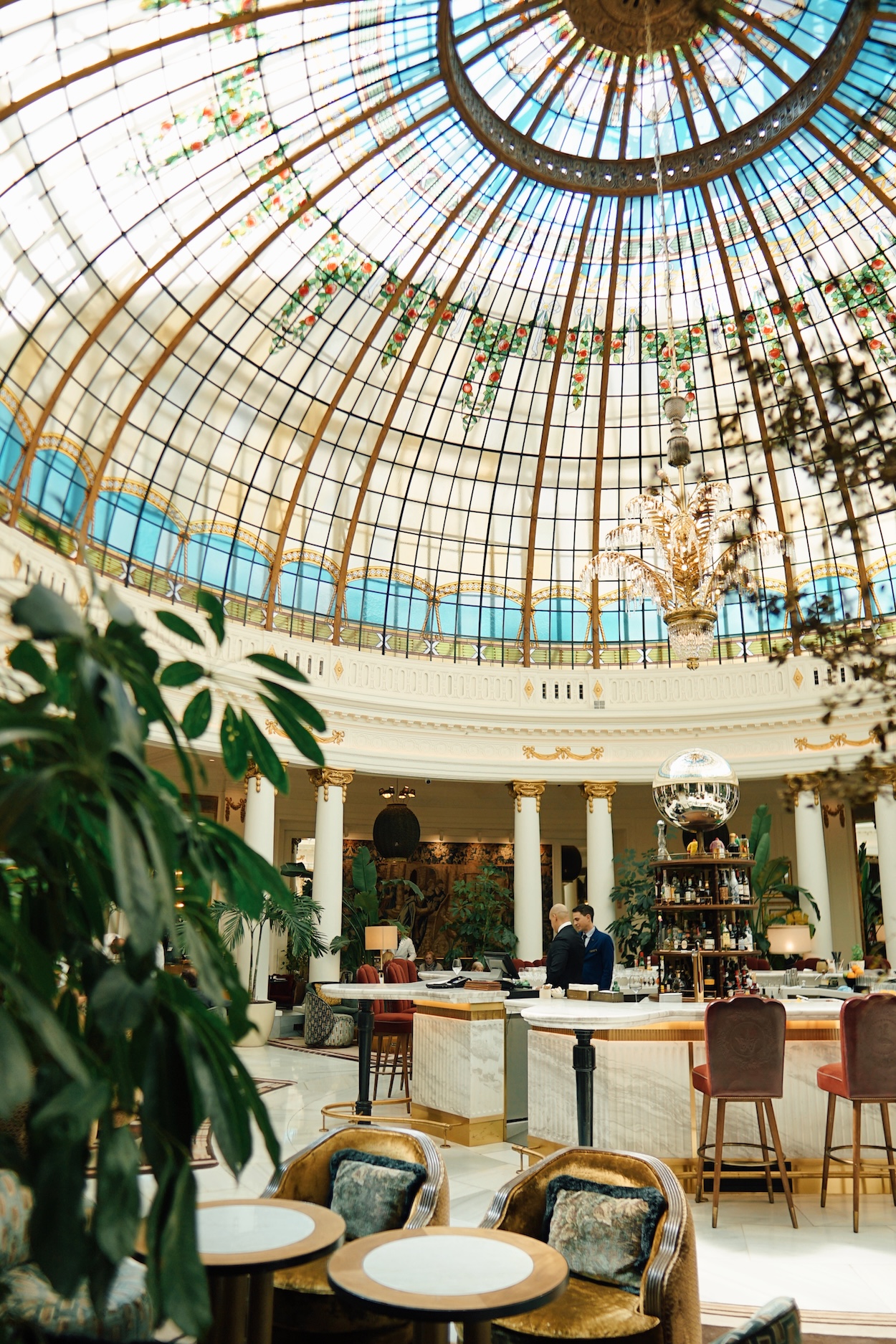
And then Madrid pulls everything back together. After the smaller towns and the open country, arriving into a capital again feels earned. You bring everything you’ve absorbed along the way into two of the great art museums in the world sitting within walking distance of each other. The journey has a shape to it, expansive in the middle, anchored at both ends by cities that reward everything you’ve brought to them.
Is this just for the literary traveler?
No, and the trip was never designed that way. One of the things we were deliberate about from the beginning is that this wouldn’t be over-programmed. These are places that reward you for slowing down, for sitting in a bar in San Sebastián for two hours and ordering another round, for spending a morning in a gallery in Madrid without a fixed end time. The literary thread gives the journey a framework and a reason for the specific sequence of places, but it was always meant to sit lightly. You feel it rather than follow it.
What that means in practice is that every kind of traveler finds their way in. The trip weaves art history, fashion, and literature into a single thread, but if someone comes to us wanting to go deeper on Chanel and nothing else, or follow Picasso’s Spain specifically, or trace Hemingway’s route through the Basque Country, we pull on that thread and build around it. The same geography, a completely different lens. Someone drawn to food has one of the great routes in Europe, from Paris through the Basque Country to Madrid, with serious eating at every stop. Someone who cares about design is moving through a landscape that runs from Chanel’s Biarritz to Gehry’s Rioja to the Reina Sofía. If you want to swim at La Concha, read in the sun, and drink well in the evenings, go for it.
It works for families, couples, groups of friends, a parent and adult child looking for something with real cultural substance. The creative frame is really a starting point and not a prescription as the actual trip takes shape around who’s traveling and what excites them.
And what will a design enthusiast take away from this experience?
There’s a design discipline to how a great journey is built. The pacing of a day, the weight of a particular morning against what follows it, where to create density and where to leave space. A great journey has a visual and sensory grammar to it, a rhythm of contrast and release that works the same way good design does. And what sounds counterintuitive is that we actually design for spontaneity. We build the architecture of a trip so that when something unexpected presents itself, and it always does, there is room for the journey to absorb it rather than resist it. That requires restraint. Knowing what to leave out is as important as knowing what to put in.
What our experiences unlock is a layer beneath all of this. The Lost Generation was defined by a creative class working in close conversation with each other across disciplines, writers, painters, designers, all drawing from the same cities, the same light, the same restlessness. That energy didn’t leave these places.
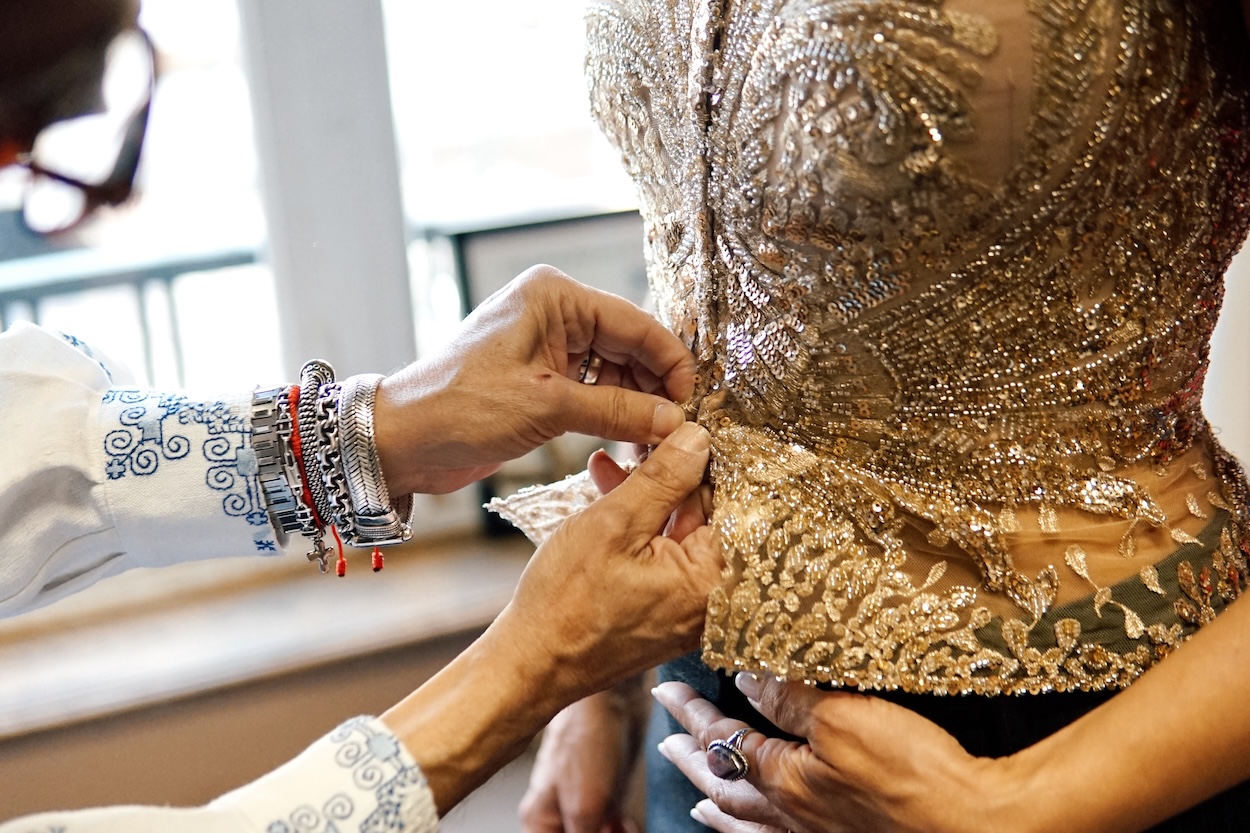
In Paris and Biarritz you feel it in the fashion and craft world that Chanel helped shape, a tradition of restraint, material quality, and elegance that still runs through the designers and makers working in these cities today. In Madrid we take travelers directly into the ateliers of contemporary artists whose practice sits in dialogue with the same cultural inheritance that shaped Picasso and Dalí. In the Basque Country we move through studios and workshops with makers working across craft, textile, and design traditions that run deep in this particular region.
They’re conversations with the people currently defining what this creative world looks like, in the same cities, under the same skies, just a hundred years on. For someone who thinks seriously about design, and about the relationship between how things look and how they make you feel, that’s the version of this trip that stays with you.