In Tokyo, Yabu Pushelberg Debuts Science-Backed Rooms for Rest
Inspired by decades of their own travel rituals, the design team bets on a new pilot concept called "Mindful Rooms" with JW Marriott that treats architecture as a wellness instrument.
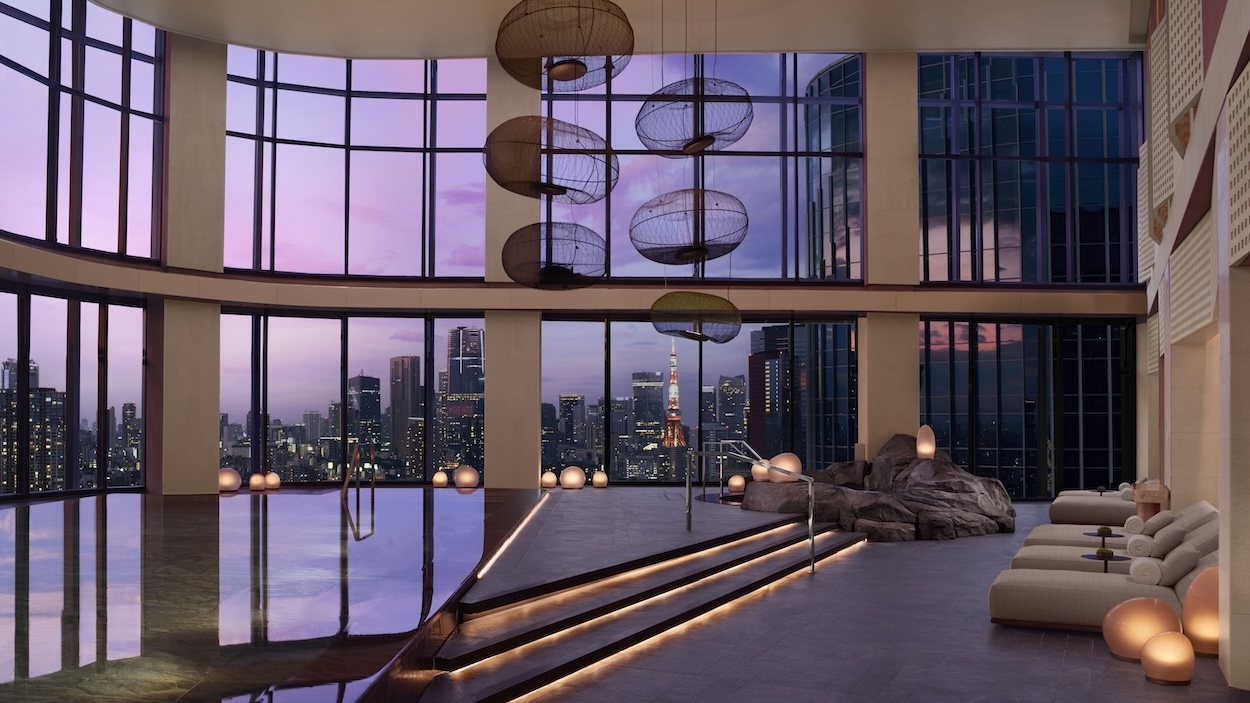
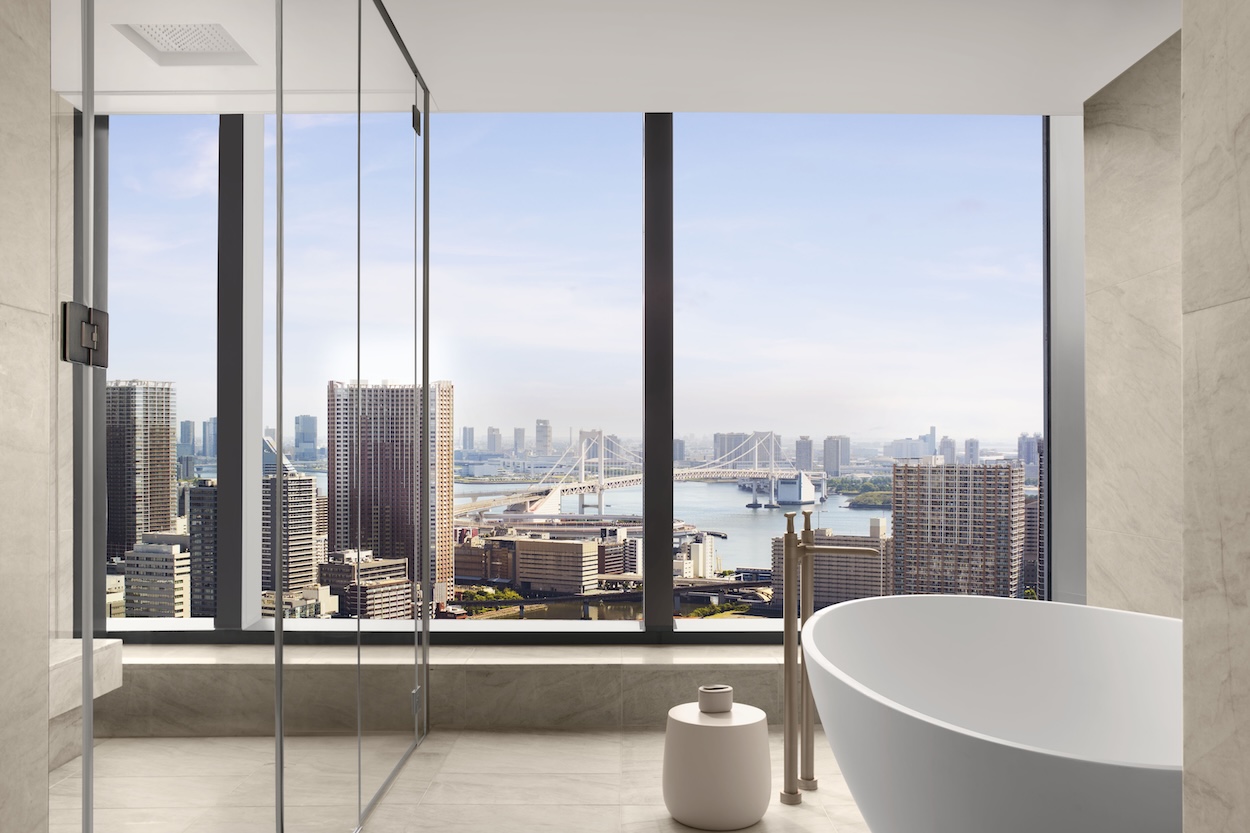
Wellness, in hospitality, has long been something you have to go to—a spa, fitness center, or class. However, JW Marriott Hotel Tokyo sought to weave the concept of wellness and rest into the hotel’s architecture. Its pilot—called Mindful Rooms, which debuted in Asia for the first time—is a suite of science-backed, design-driven spaces engineered to optimize rest and recovery, dreamed up by Canadian design duo Yabu Pushelberg.
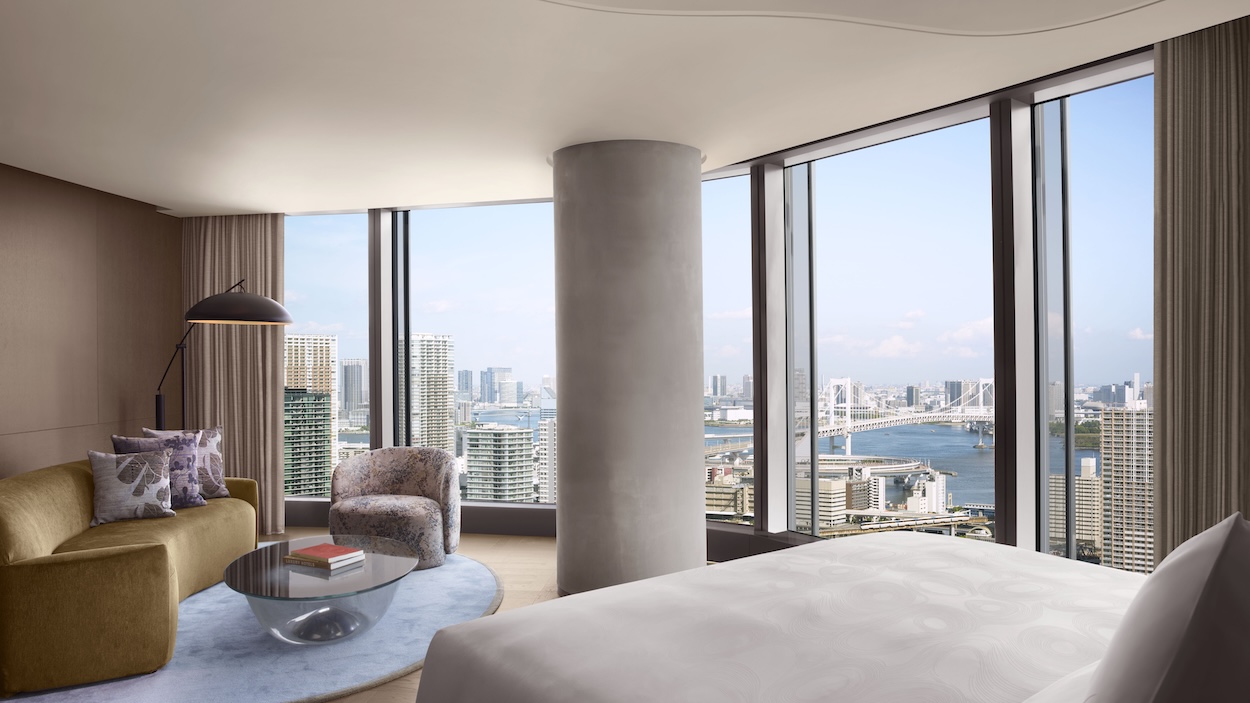
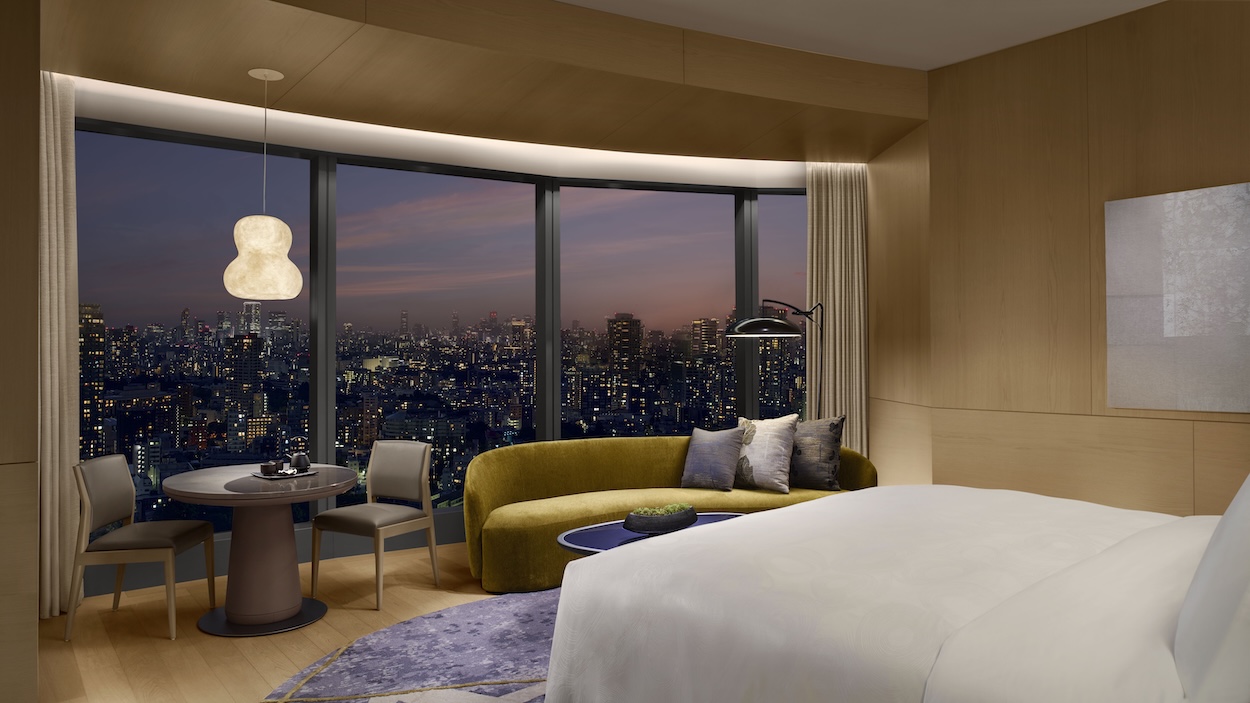
Here, think circadian lighting tuned to the local time zone to aid the body clock, the orientation of furniture toward natural light, tactile materials, scent curation, and acoustic mapping calibrated to quiet the nervous system. The premise seeks to remove wellness as a final layer and instead utilize it from the first step—rooms built, at the level of physics and physiology, to help foster calmness and efficiency in rest. “Wellness is no longer limited to spas,” Glenn Pushelberg of Yabu Pushelberg told Surface. “It’s about creating places where people can regenerate, feel at ease, and decompress, whether alone or with others.”
Courtesy of Yabu Pushelberg.…
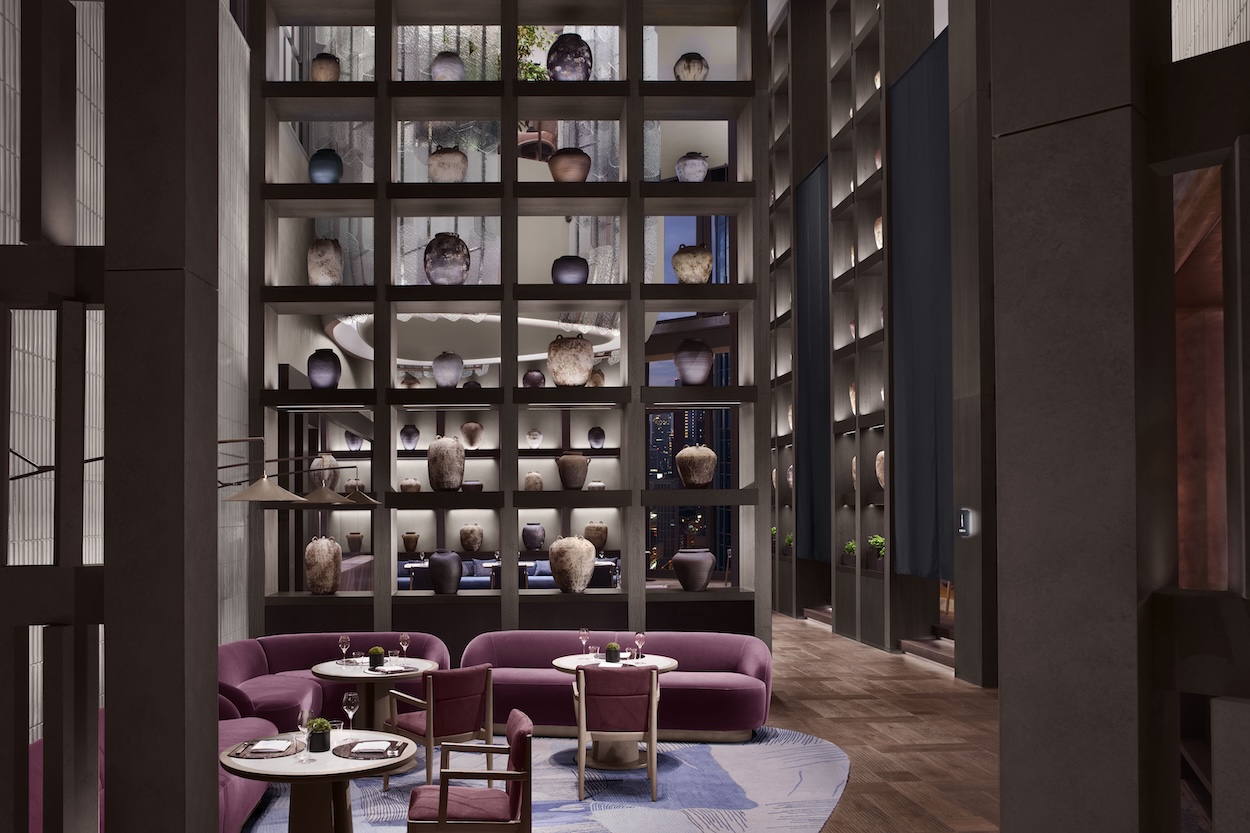
While the philosophy was extended throughout the entire hotel, from the lobby to dining concepts, it was emphasized in the guest rooms to help travelers rest more efficiently. Rather than treating a hotel room as one of many doors down a hallway, the studio wanted to design the entire arrival as a continuum—light, material, and proportion deployed to slow a guest imperceptibly. Ultimately, your final stop feels like a part of a larger sequence rather than a standalone space.
Courtesy of Yabu Pushelberg.…
“The truth is, we didn’t start out saying, ‘Let’s design a wellness hotel.’ That was never a checklist item,” Pushelberg said. “The starting point was much more human. We’ve both traveled for decades—long flights, jet lag, disorientation, that strange feeling of arriving somewhere before your body has adjusted. You become aware of what helps and comforts you and what doesn’t.”
For George Yabu, the work began by refusing to let “mindfulness” remain abstract. “For us, mindfulness is something you feel and that is expressed through behavior. Do you slow down? Do you breathe differently? Do you lower your voice?” The studio designed for those responses directly. An offset corridor instead of a straight one, softened corners, and utilizing directional lighting to limit signage are just some of the elements that lead you without forcing you to think too much. Yabu calls these moments a mental threshold—a line that “separates the pace of the city from the experience of the hotel and allows guests to reset.”
Courtesy of Yabu Pushelberg.…
What surprised even the designers was the scale at which this works: not grand gestures but minute ones. “You don’t need to do anything dramatic—often that goes against rest,” Yabu says. Small adjustments like light temperature, surface texture, and the curvature of a space proved to be the most potent.
The governing idea was the edge between the city and nature—a notion rooted in the hotel’s Shinagawa setting, historically a point of transition where Tokyo gives way to the countryside to Hakone and Mount Fuji beyond. That gateway logic shaped the plan: spaces that unfold gradually, with moments of compression and pause that heighten sense of place. Yabu notes, “Nature arrives variously—sometimes as a view, sometimes abstracted into art, color, or pattern.”
Courtesy of Yabu Pushelberg.…
For JW Marriott, the wager is industry-wide. The brand frames Mindful Rooms as a shift from singular wellness amenities to a fully integrated experience, one in which the guest room itself becomes a cornerstone of well-being. It is also, pointedly, a thesis about luxury’s next chapter. “The future of hospitality isn’t just about opulence—it’s about creating spaces that nurture balance, mindfulness, and connection in a way that feels authentic to the destination,” Bruce Rohr, Vice President and global brand leader for the hospitality group told Surface. “Tokyo was a natural debut—a city whose intensity makes respite precious, and whose culture is deeply rooted in wellness, craft, and ritual.”