In junior high, designer Kyriaki Drakotos watched her classmates decorate their own names for a lettering project and, in that moment, she posed herself a question that would take years to answer: why did women so often carry the names of designers instead of their own?
The deeper roots go back further still, to a childhood in Greece, watching her mother and aunts wear handmade, monogrammed silk robes imported from Paris. “In Greece, handicraft was a part of life,” Drakotos says. “I was taught, like every girl, to embroider initials, fantastical creatures, and imagery on handkerchiefs and other handmade garments. Embroidery was one of the first spaces for women’s art and expression.” Watching her mother’s robes, she found herself drawn to fuse two worlds she saw as inseparable—craft and couture—both of which, to her, embodied womanhood itself.
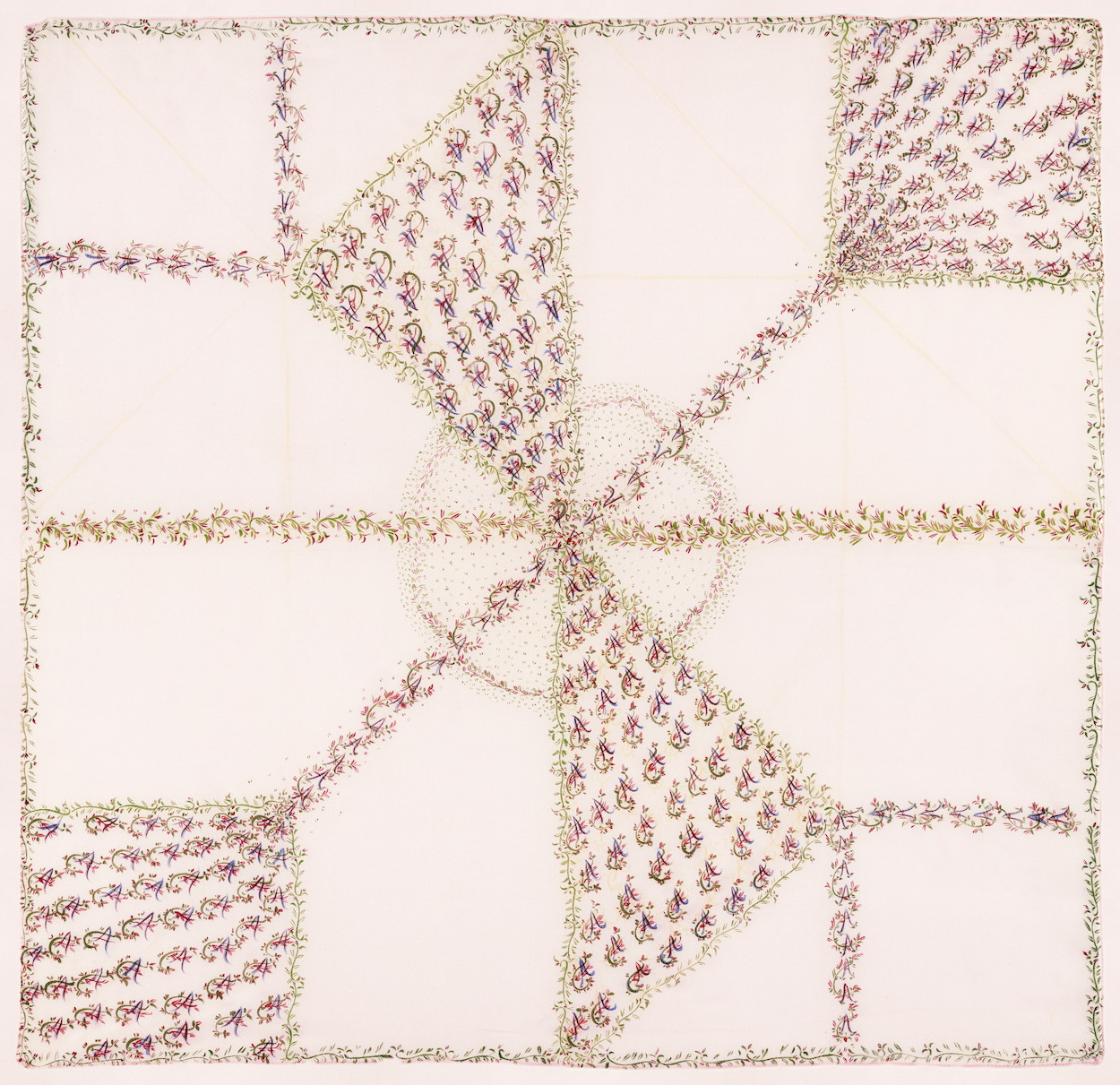
After moving to the U.S. as a teenager, Drakotos studied graphic arts and illustration at Pratt Institute, but the memory of those embroidered garments never left her. Years later, she began translating the language of stitching into brushwork, drawing on medieval tapestries and the old tradition of lovers’ handkerchiefs. “I wanted to create garments that connected women to their names and uplift their identities,” she says.
Kyriaki, founded in 2019, became her answer and, from there, her inspiration expanded outward to the tapestries at the Metropolitan Museum of Art, their flora, fauna, and animals rendered with an intricacy she wanted to bring into her own lettering, turning a single initial into a full scene rather than a simple monogram.
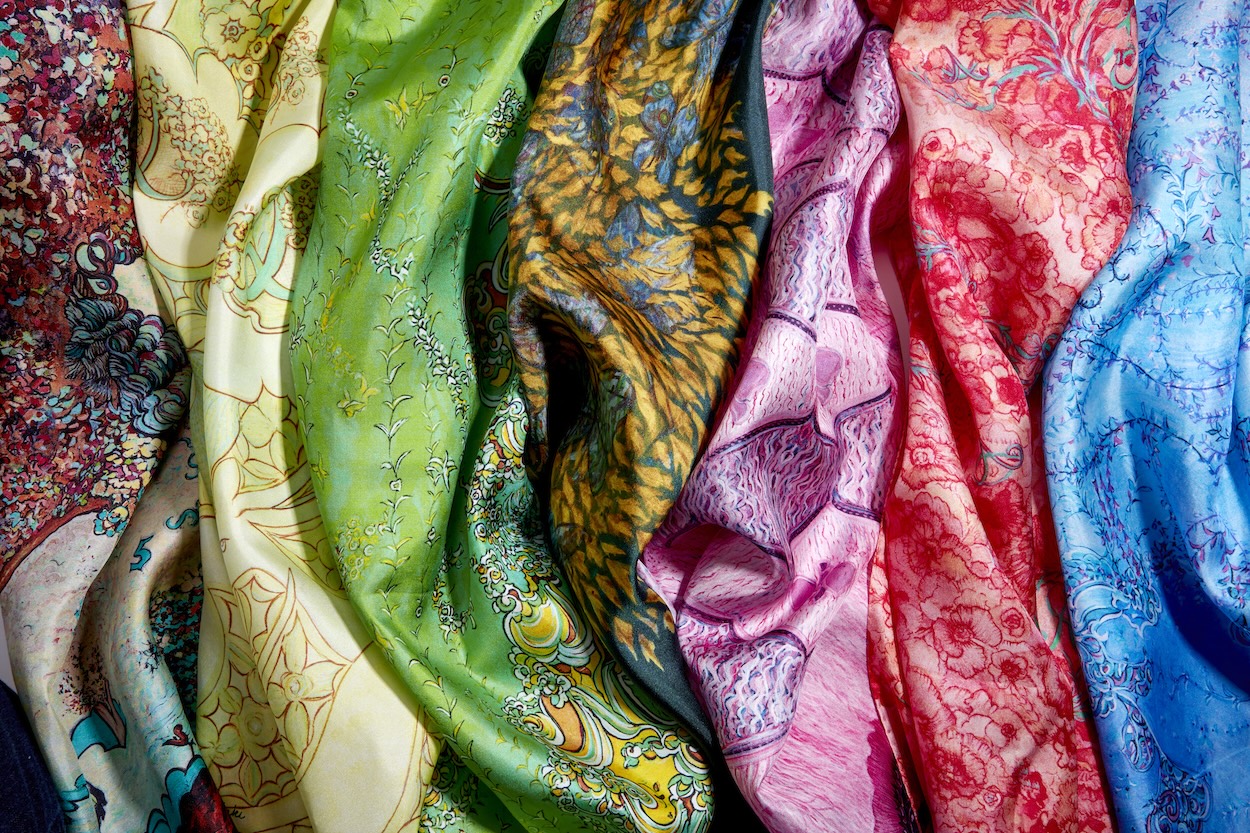
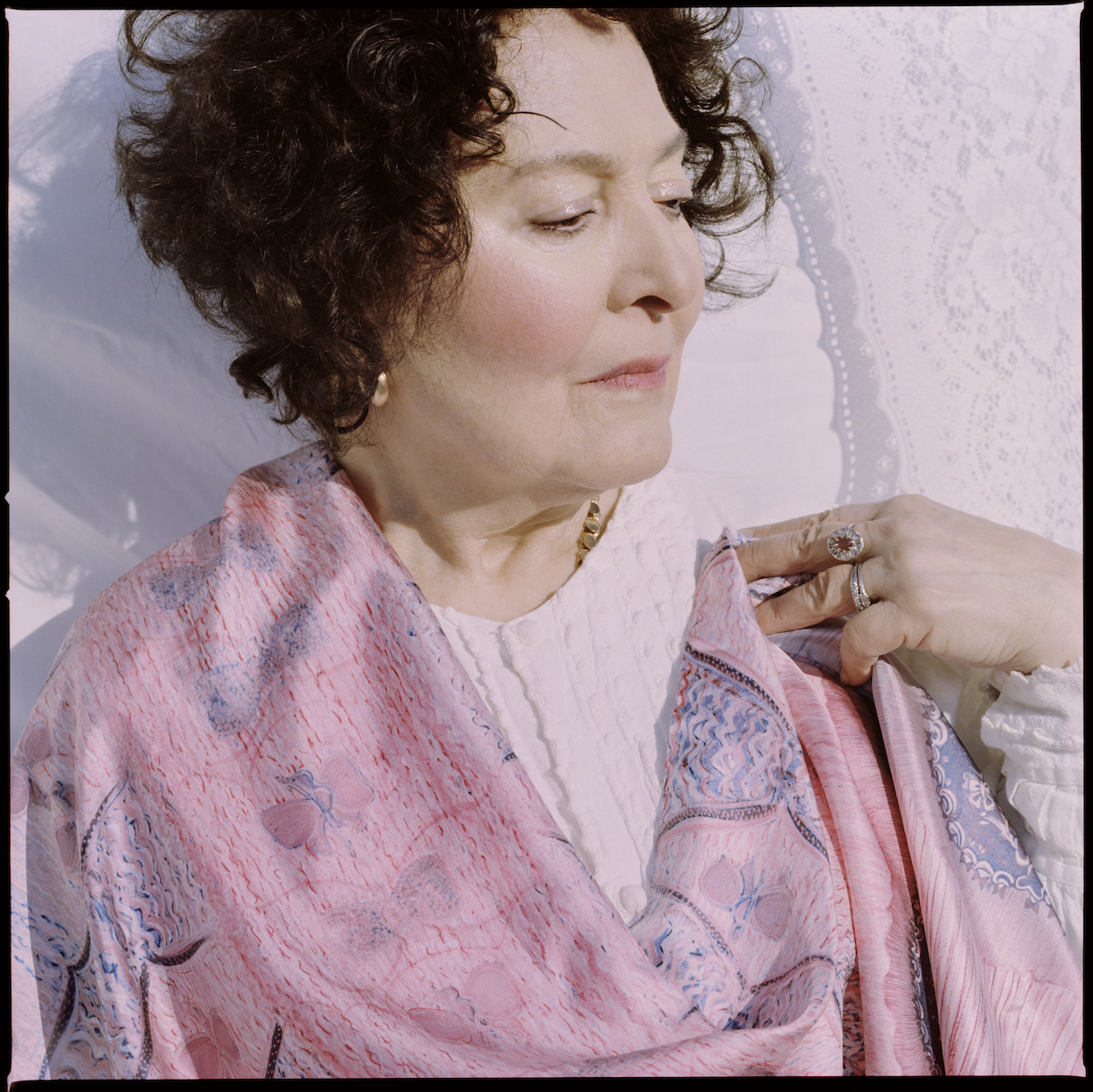
Her first collection began with seven hand-painted silk scarves, each one laced with intricate motifs and a hidden initial that emerges slowly from the design. The scarves have since found their way onto Bianca Jagger and other global style leaders, though Drakotos’ own reference points reach further back: Matisse, Gauguin, Vermeer, Boucher, and Fragonard, alongside a deliberate emphasis on women artists such as Élisabeth Louise Vigée Le Brun, Louise Bourgeois, Agnes Martin, Anni Albers, and most recently Hilma af Klint.
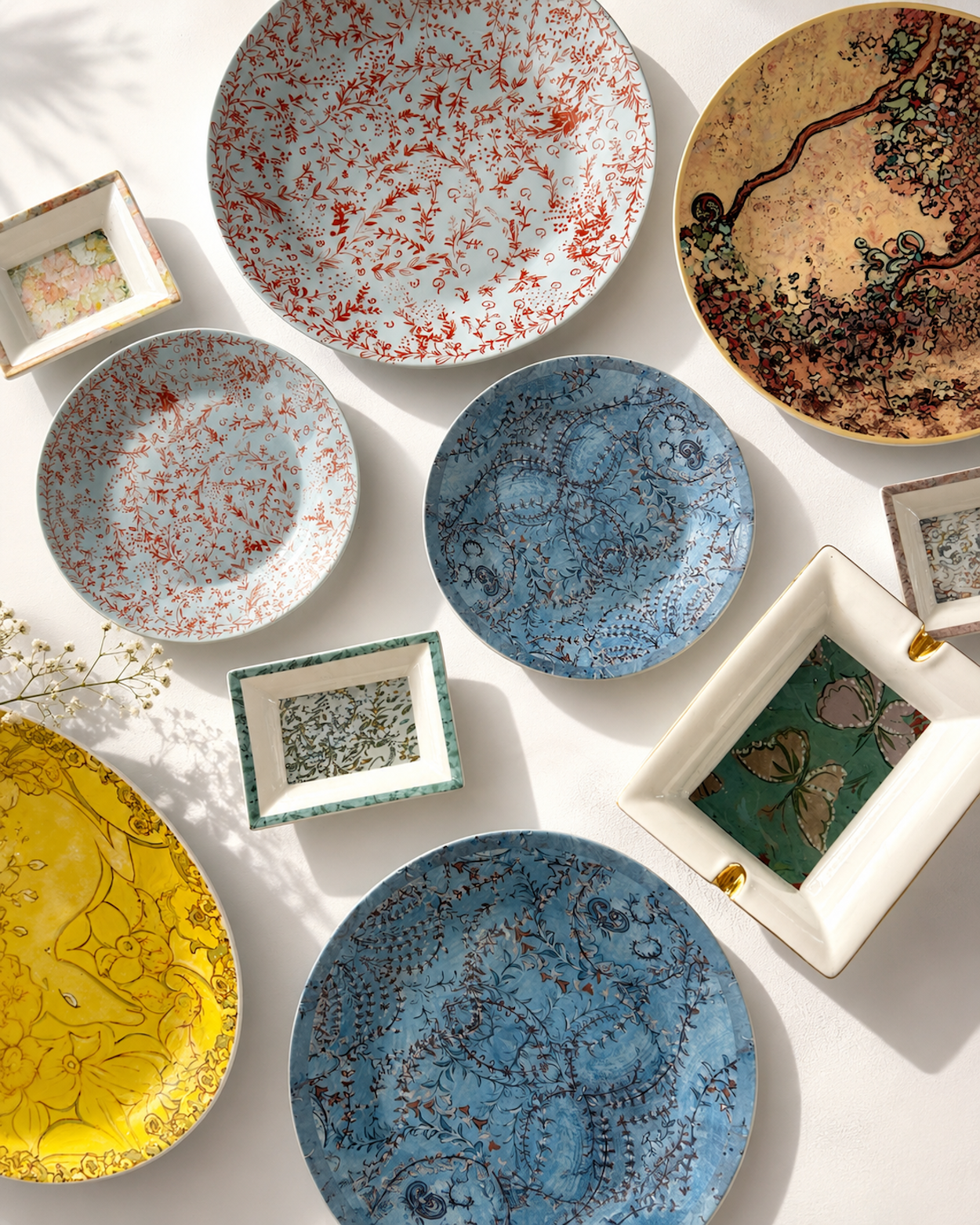
Since its launch, the brand has grown well beyond scarves. A ceramics line, set to launch in 2027, came to life out of China painting classes Drakotos took years earlier, translating her scarf motifs onto bone china. Her kimono collection, sparked by a Bergdorf Goodman buyer who spotted a sample and asked for more, is made sustainably from imperfect scarves, will follow.
At its core, Kyriaki is building objects meant to be passed down, pieces designed to last forever, and in Drakotos’s own words, a love story.