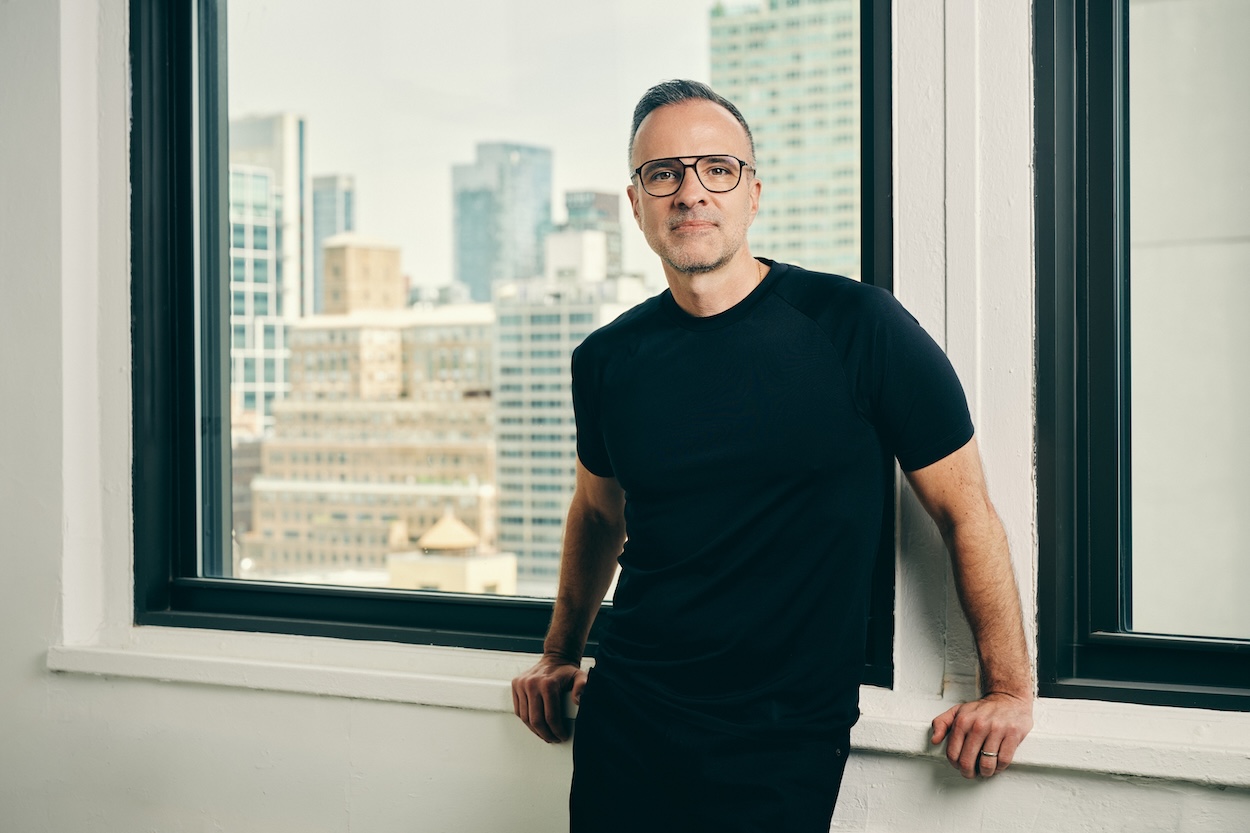
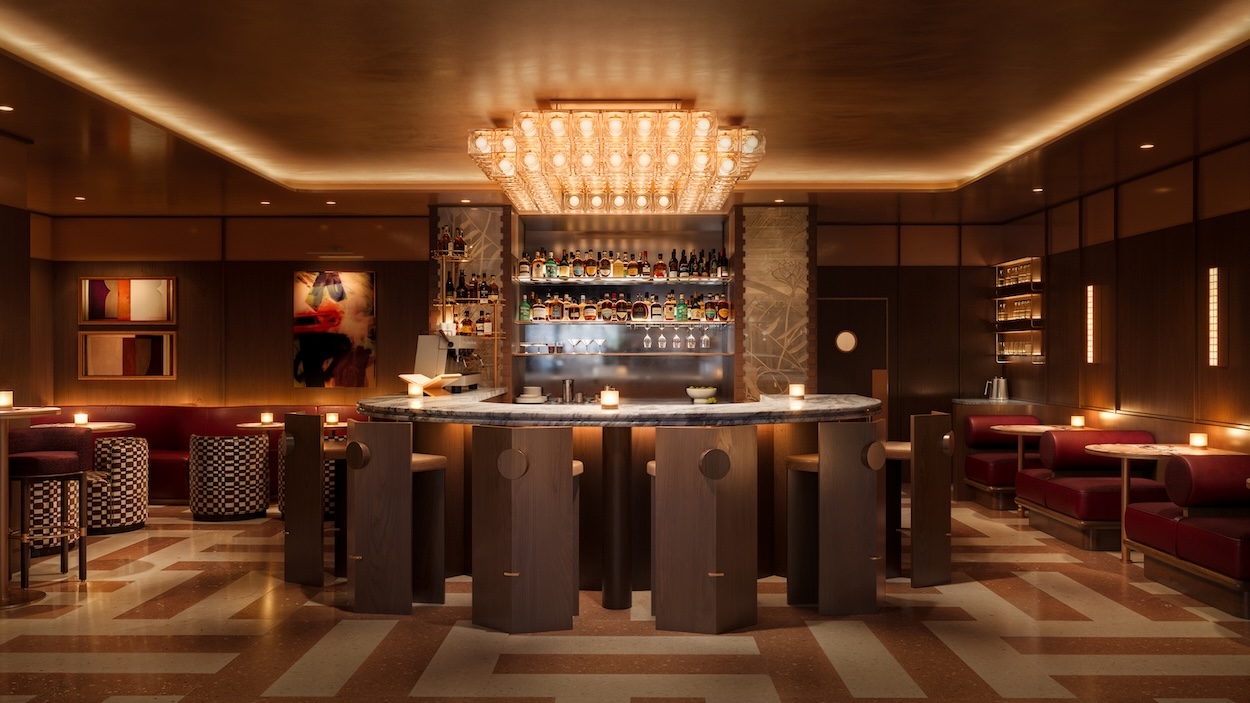
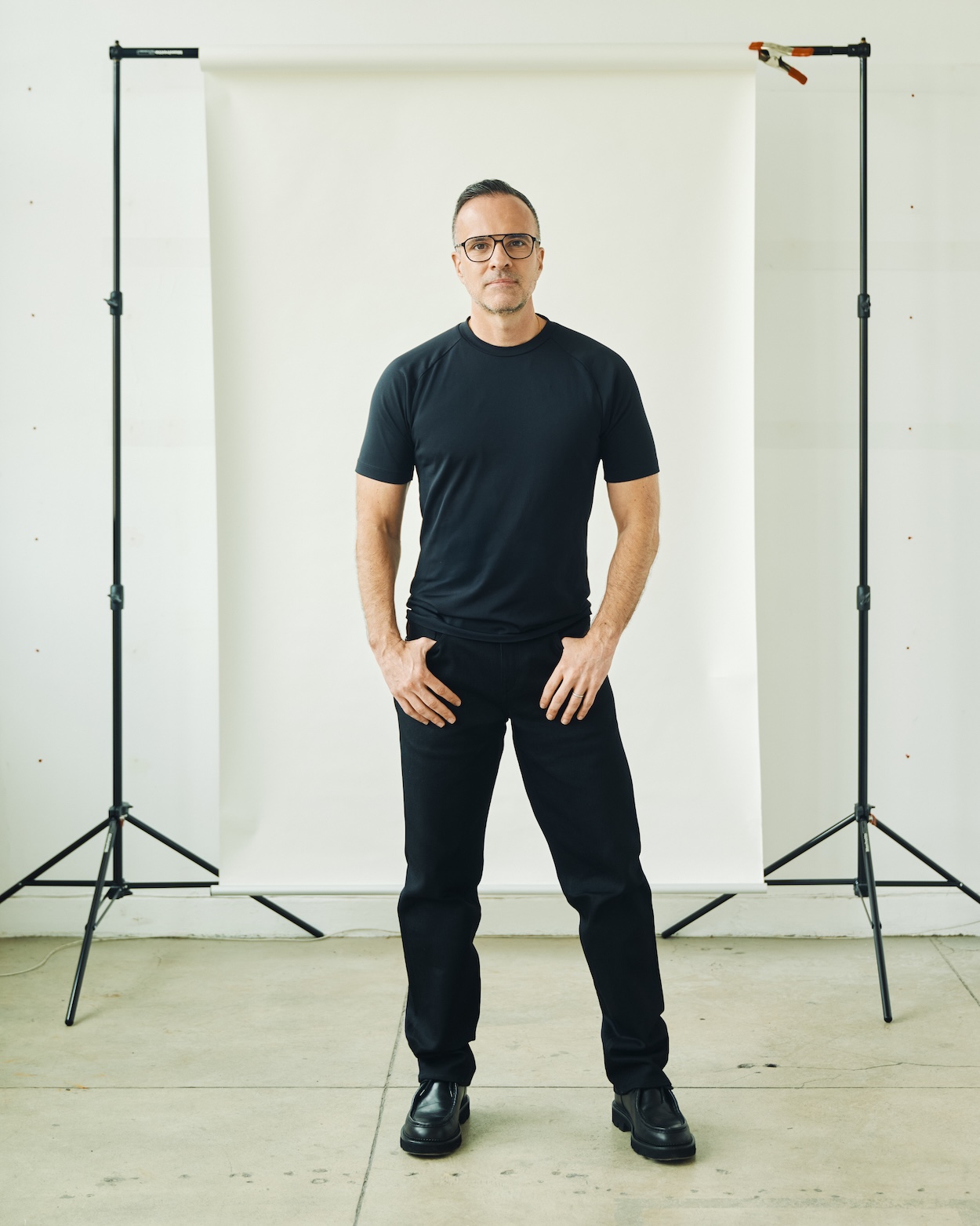
In mid-May, highly awarded architect Greg Keffer announced Keffer Studio, his independent architecture and interior design practice that specializes in luxury hospitality. With its inception, Keffer adds the titles founder and creative director to his illustrious career, which includes 14 years at Rockwell Group (where he was partner). For three decades now, Keffer has imagined, collaborated on, and meticulously brought to life hotels, restaurants, and branded residences. Launching his firm wasn’t just a business decision, but the result of learnings from every project and client (including 550 Madison and W New York – Union Square) that came before.
Keffer’s mission is grounded in personal touch and hands-on decision-making. “Great design happens when the principal is in the room,” he tells Surface. “Not delegating from the top, not reviewing things at the end, but truly being in it with the client throughout the process. At a certain scale even the most celebrated firms have a structural problem. The work is sold by the most experienced people in the room and then handed off.” Keffer wanted to be “closer to the conversations, the decisions, and the experience we were creating together.”
“Guests are more discerning than they’ve ever been,” he adds. “They can feel the difference between a space designed with intention and one managed from a distance. The thousand small choices that determine whether a space holds together, those are not things you can get right without being close to them.” To learn more about Keffer’s vision for architecture and interior design, we spoke with the founder shortly after the announcement of his studio.
Why is it important for you to choreograph the full guest journey in each project—and how do you proceed with narrative development?
Every project begins with the same question: what do I want someone to feel the moment they arrive, and how does that feeling evolve over the course of their experience? The guest journey is not a checklist. It’s a choreography that requires thinking about time, sequence, and emotional arc the same way a director thinks about a film.
Too often narrative becomes a disconnected story that lives in a presentation deck and never makes it into the building. The guest doesn’t feel it because it was applied to the design rather than drawn from it. To me, narrative is something different. It’s a rich sampling of everything that makes a project specific, its place, its brand, its cultural moment, and it functions as a guiding intelligence for every consequential decision we make. It has to be lived in the work, not described alongside it.
Narrative development for me always starts with place. What is specific and irreplaceable about this location, this brand, the world it’s entering? That specificity is what keeps design from feeling generic. The spaces I’m drawn to are the ones that need to be energetic and celebratory one moment, quiet and restorative the next. Every material choice, every lighting decision, every piece of furniture has to serve that range.
I also believe narrative has to operate below the surface of awareness. The best design is felt before it’s understood. When people say a space has a certain energy, what they’re really responding to is hundreds of layered decisions made in service of a single emotional intention.
Tell us more about your approach to branded residences and how that fits into your expertise.
Branded residences are one of the most nuanced and fast-growing design typologies in luxury hospitality right now. The challenge is that you are designing a home, with all of the personal expectation and emotional weight that carries, but it must also feel consistent with the brand story it belongs to. Those two things are in natural tension with each other, and resolving that tension is where the real design intelligence lives.
My experience spanning hotels, resorts, and F&B has given me a strong foundation for this. I understand how brands express themselves across a spectrum of spaces, and I know how to translate that expression into something that feels residential rather than commercial without losing the thread. What I bring to branded residences is a precision about the layering: where should the brand speak loudly, where should it whisper, and where should it get out of the way entirely and let the design just feel like a beautifully considered home. That calibration is something I find endlessly compelling.
You have a prolific record of collaborating with star chefs. How do you approach collaborations in the culinary world?
I start by listening. Not to what they want the room to look like, because most chefs are not thinking about that at all, but to how they think about food, about hospitality, about the feeling they want to create for their guests. Every chef I’ve worked with has a completely different philosophy, and each of those philosophies is actually a design brief waiting to be translated spatially.
The best collaborations happen when the designer fully internalizes that philosophy and then responds to it architecturally. There’s a moment in every restaurant project when a chef walks into a finished room and feels like it was made for them. That recognition, when the space and the cooking feel like they came from the same intelligence, is one of the most rewarding things in this work.
I also think great chef collaborations require honesty. Chefs have strong opinions and so do I. The productive tension between two strong points of view produces work that is much richer than one person simply executing the other’s vision.
Do you feel like you established a design signature?
That’s a question I find genuinely interesting because I’ve never chased a signature the way some designers do. I’m more interested in specificity than consistency of style. I don’t want every project to look like the last one. Where’s the growth in that? Where’s the excitement?
But certain things recur because they reflect how I actually see the world. A deep commitment to craft. A belief that the best ideas come from genuine collaboration, from surrounding yourself with people who push your thinking. And an obsession with human emotion, with how a space makes people feel, not just how it looks.
If there is a signature, it’s probably in the intention behind the work rather than the vocabulary. People walk into my projects and feel something before they can articulate what it is. That’s what I’ve always been after.
You’ve only just ventured out with your own studio. What types of clients are you looking for? What type of projects.
Clients who care about the outcome as much as I do. That sounds simple but it is actually rare. The best work I’ve done in my career has always been with developers and brands who trusted the process, who were genuinely curious about design, and who understood that the spaces we create together would become part of their legacy. That’s who I want to work with at Keffer Studio.
My deepest expertise spans luxury hotels and destination resorts, signature restaurants, branded residences, and amenity spaces. But what I’m really looking for is a certain kind of ambition. Clients who want to do something genuinely new, not emulate what’s already working for someone else.
The firm is intentionally boutique. I’m not building an empire. I want a focused portfolio of exceptional work where I am directly involved in every decision. The clients I’m looking for are the ones who see the value in that and who want the founder in the room for the life of the project.