On September 16, Swedish recording artist Lykke Li will appear onstage in The Metropolitan Museum of Art’s Grace Rainey Rogers Auditorium for a special performance of her 2026 album, The Afterparty. This musical event, which sold out within hours of its announcement, will commence the 2026–2027 season of Met Live Arts, the museum’s illustrious performing arts and concert series that pairs pioneering acts with curatorial departments and celebrated spaces—including the Fuentidueña Chapel at The Met Cloisters, The Temple of Dendur, and Gallery 371, Arms and Armor.
At The Metropolitan Museum of Art, Sarah Jones Programs One-of-a-Kind Live Experiences
From Lykke Li to Jonny Greenwood, Rebirth Brass Band, New York Polyphony, Kingfish, and more, the 2026–2027 Met Live Arts season will present a sweeping selection of performances
David Graver August 18, 2026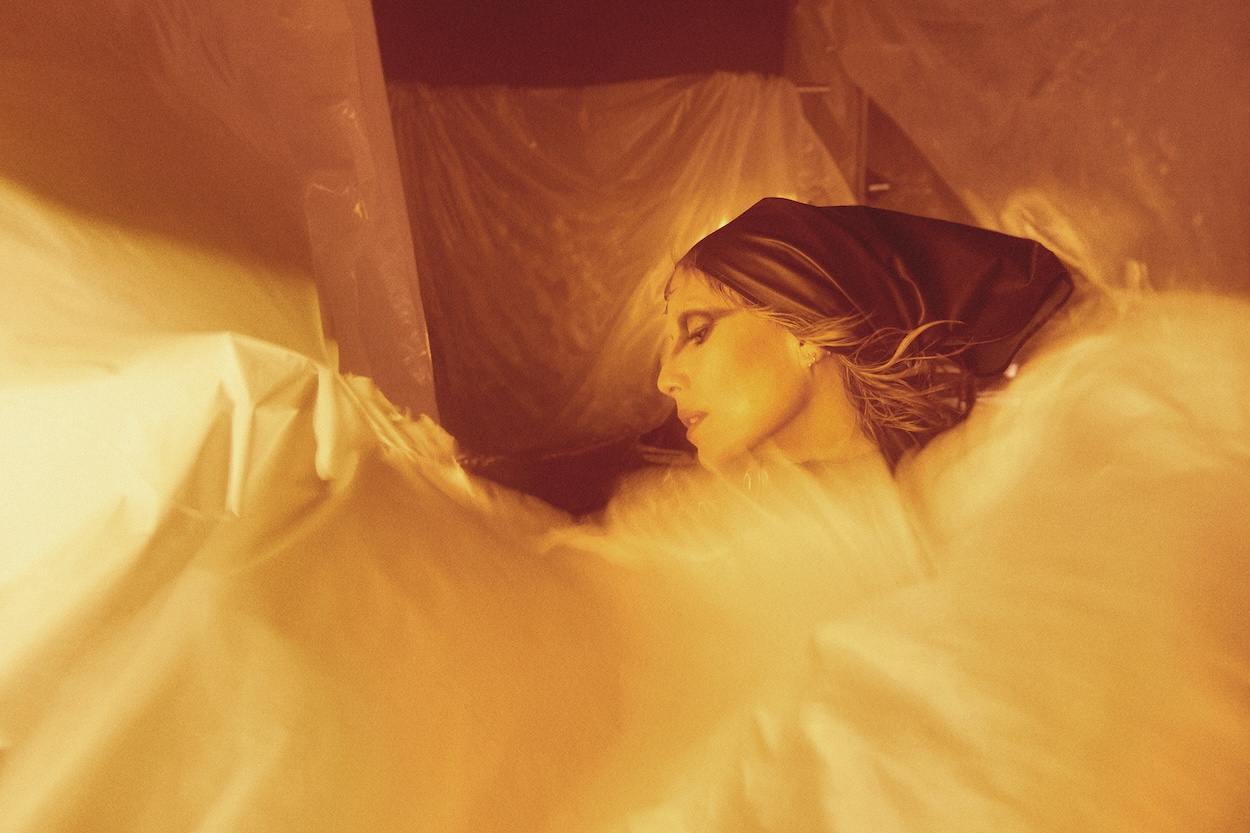
Photo by Paul Scala
…
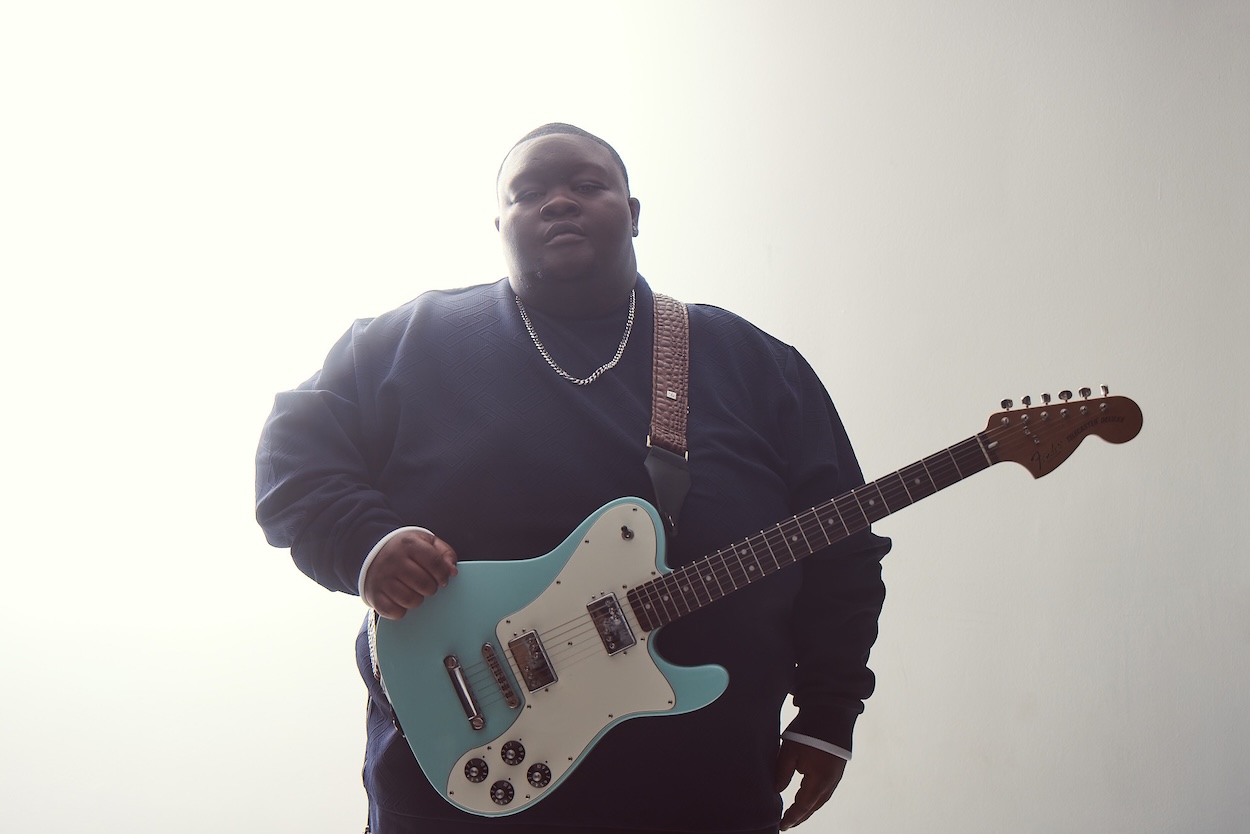
Photo by Jen Rosenstein
…
This forthcoming season marks the inaugural slate from Sarah Jones, the Lulu C. and Anthony W. Wang Head of Live Arts. Jones, who joined the Met in August 2025, previously served as Chief of Staff and Director of Public Programs at Gagosian—where she formed and guided the gallery’s department of global public programming and performance commissions. With the season announcement, Met Live Arts also revealed its new visual identity. “Met Live Arts commissions, presents, and produces performances across the museum,” Jones tells Surface. “That’s music, dance, site-specific projects, and related hybrids.”
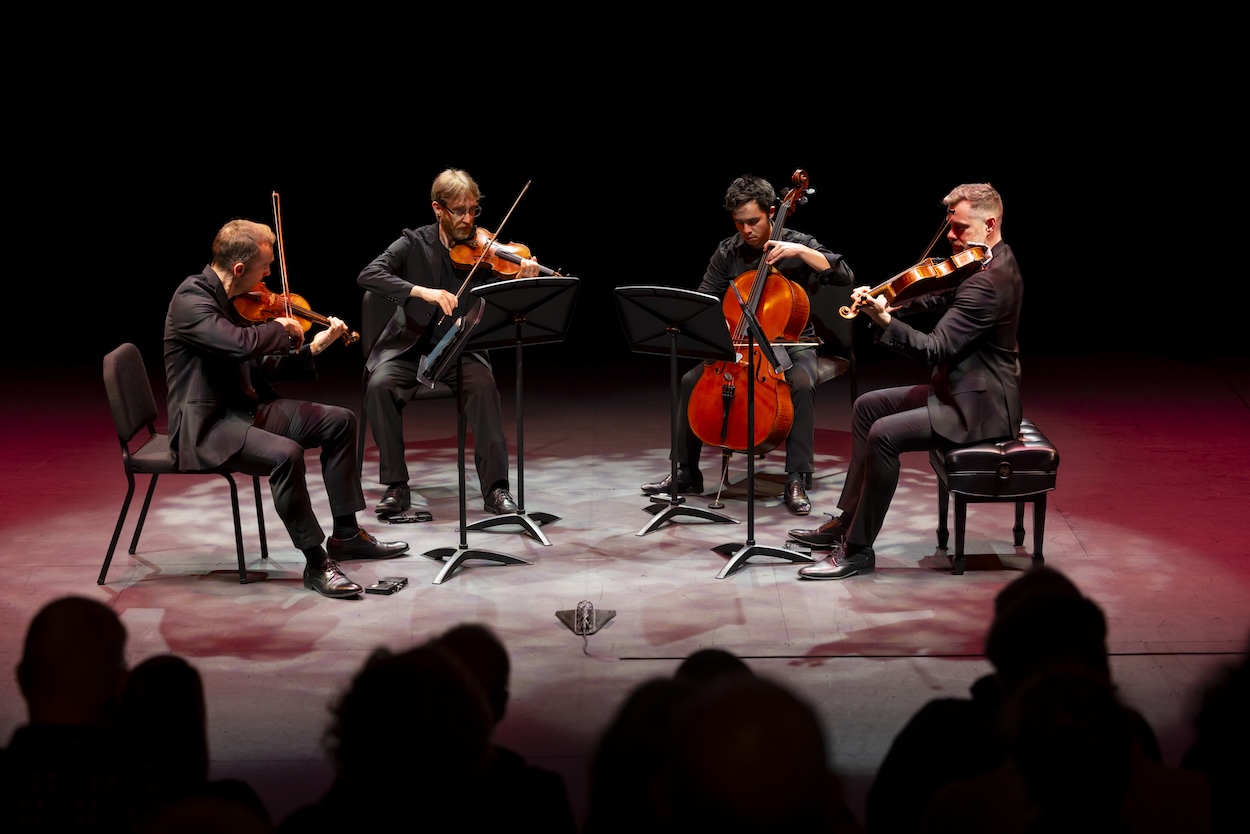
JACK Quartet, photo by Jason Smith
…
Jones began her tenure by starting a dialogue on the framework of Met Live Arts. “We have four rough categories for the program,” she explains. “First, we are commissioning and presenting work that’s in dialogue with the collection. Second, there is work that’s in conjunction with exhibitions. Third is site-specific work that can only happen at The Met, in response to our spaces. The last category is working with well-known names but encouraging them to bring work that sits outside of the comfortable margins of their usual practices.”
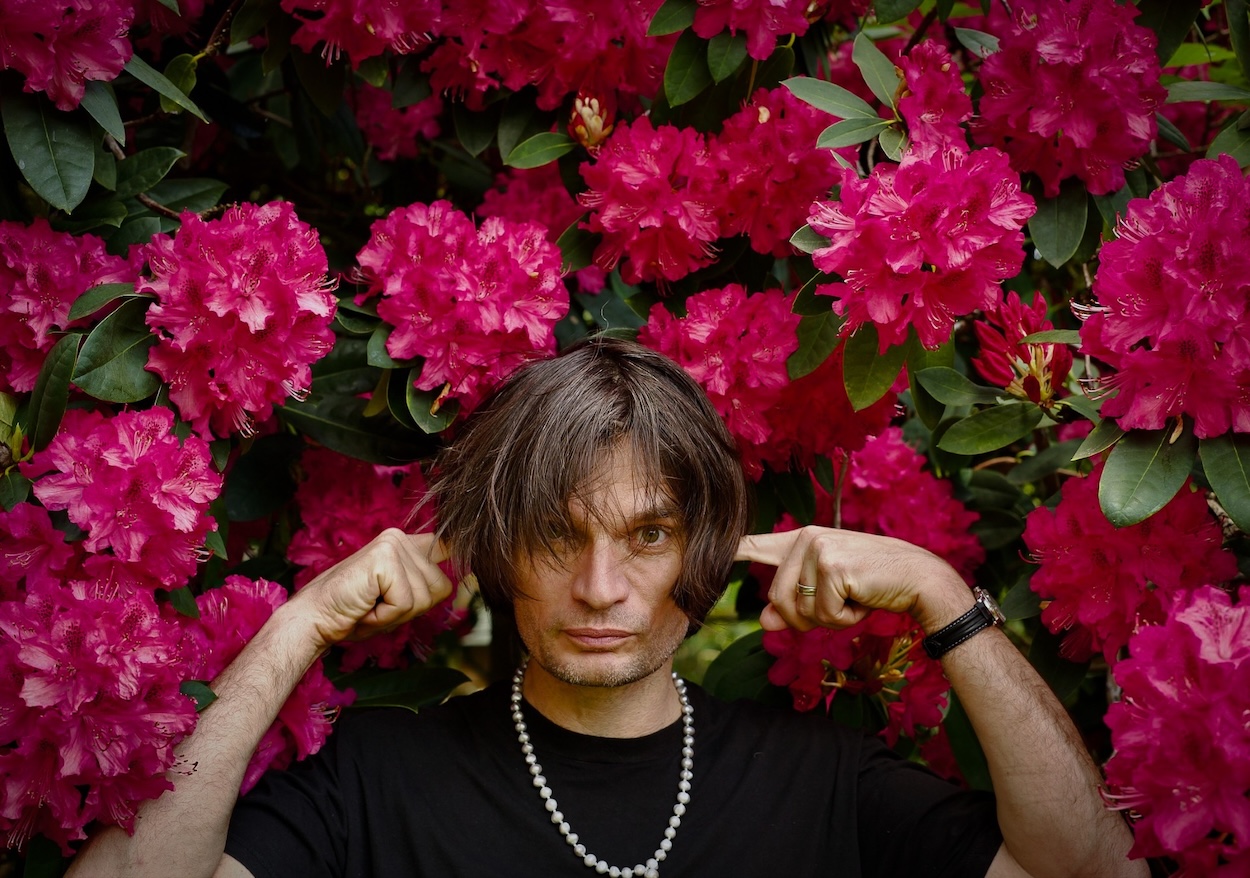
Jonny Greenwood, photo by Shin Katan
…
Met Live Arts is not a curatorial department; rather, it is nested within the Met’s audience engagement department. Its goal is to use performance to drive new audiences, while presenting a renewed energy to existing audiences. Ultimately, the vision behind Met Live Arts is to be the connective tissue across the museum’s 21 buildings. “It’s where classical art forms and contemporary voices converge,” Jones says, “connecting people, cultures, and ideas through performance.”

Ayodele Casel, photo by Patrick Randak
…
The Met began presenting private concerts in its galleries in the early 1900s. In 1917, the violinist, conductor, and music educator David Mannes started a series of free concerts in its Great Hall. This series ran through 1947 and welcomed roughly two million visitors. “Two World Wars happened, the Great Depression, social change, and uncertainty,” Jones says, “and this museum was opening its doors and giving musical performances to people. While Met Live Arts might be new to some people, the museum has always embraced the power of live performance.”
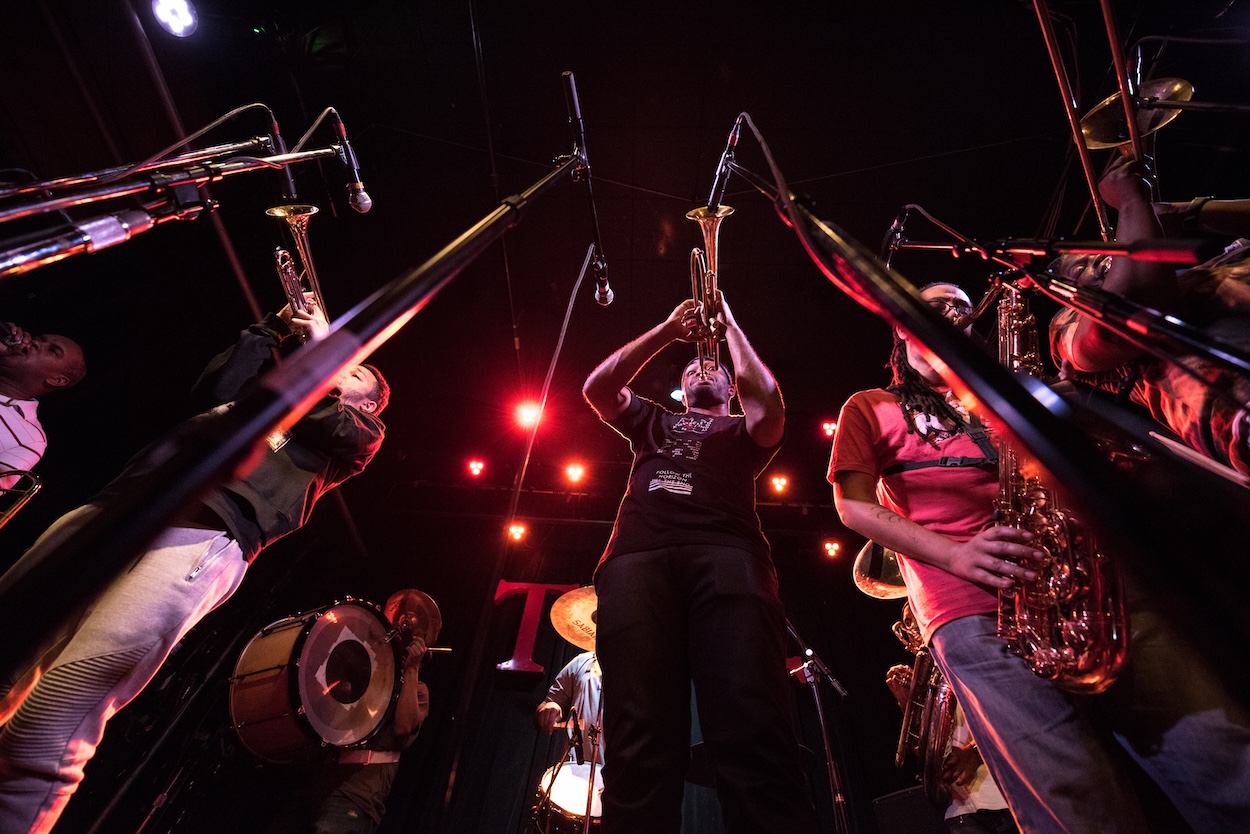
Rebirth Brass Band, photo courtesy of the artist
…
Jones is building upon that legacy. “Coming into this year, knowing that we have 19 fantastic curatorial departments to work with, and incredible spaces, and audiences from all of the world, we asked how we could speak to all of these people and speak to all of the work that exists inside of the museum,” she says. “It really is centered around this question of ‘how can we bring people into the museum?’ In the work that we do, we are also always striving not to sacrifice excellence or depth.”

Chief Xian aTunde Adjuah, photo by Eric Ryan Anderson
…
This year in particular Met Live Arts encompasses a diverse roster of presentations, much of which has been commissioned. “Everything may not be for everyone, but I am hopeful that there is something for everyone within the season,” Jones says. “We want to open up doors to people, not just to different disciples or genres but also everything the museum is doing. People who may have never thought the museum was a place for them for any number of reasons, may come because they see a performance that looks like something they could come to easily.”
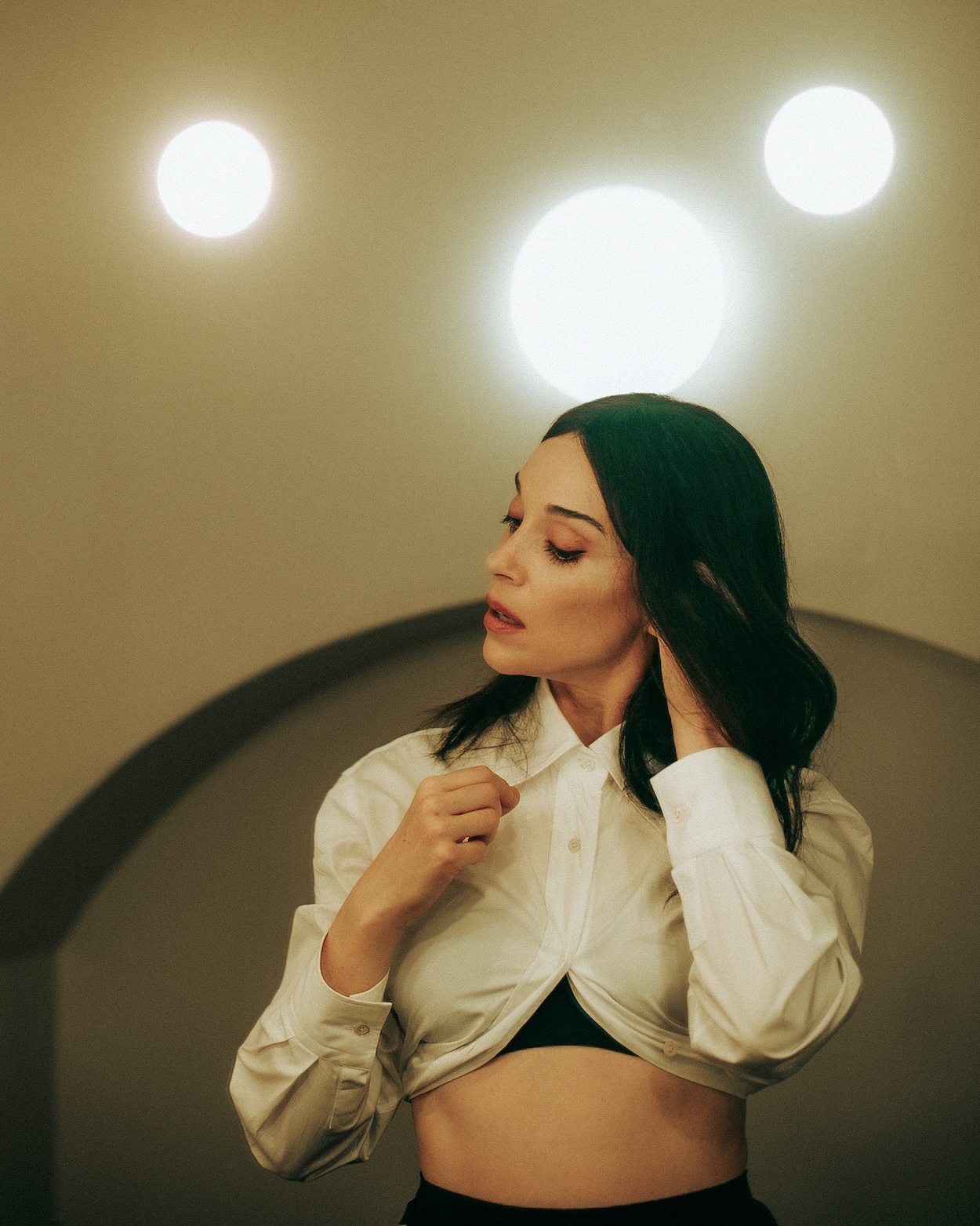
St. Vincent, photo by Jennifer McCord
…
A ‘Guitar Icons’ series—which includes St. Vincent, Kingfish, and Jason Isbell—will act as an introduction to a new gallery at the Met, which was given a donation of 500 guitars. “In the spring, we will open a new gallery with 100 on view at any given moment,” Jones says. “Some of them have incredible provenance, others mark a significant moment of innovation. Met Live Arts and the Musical Instruments department have been in deep partnership on this series.”
The collision of place and performer is also an undeniable highlight. “We will welcome Chief Xian aTunde Adjuah to the Temple of Dendur in February,” Jones says. “Chief is a Grammy-nominated musician, producer, and storyteller, and Chieftain and Grand griot of the Xodokan Nation. He will bring work in celebration of Black history month that will be performed in the round. We will also have a dancework by Rashaun Mitchell and Silas Riener. They have this bold, instinctive choreographic language. They’re creating a work in conjunction with the upcoming Krasner and Pollock exhibition.”
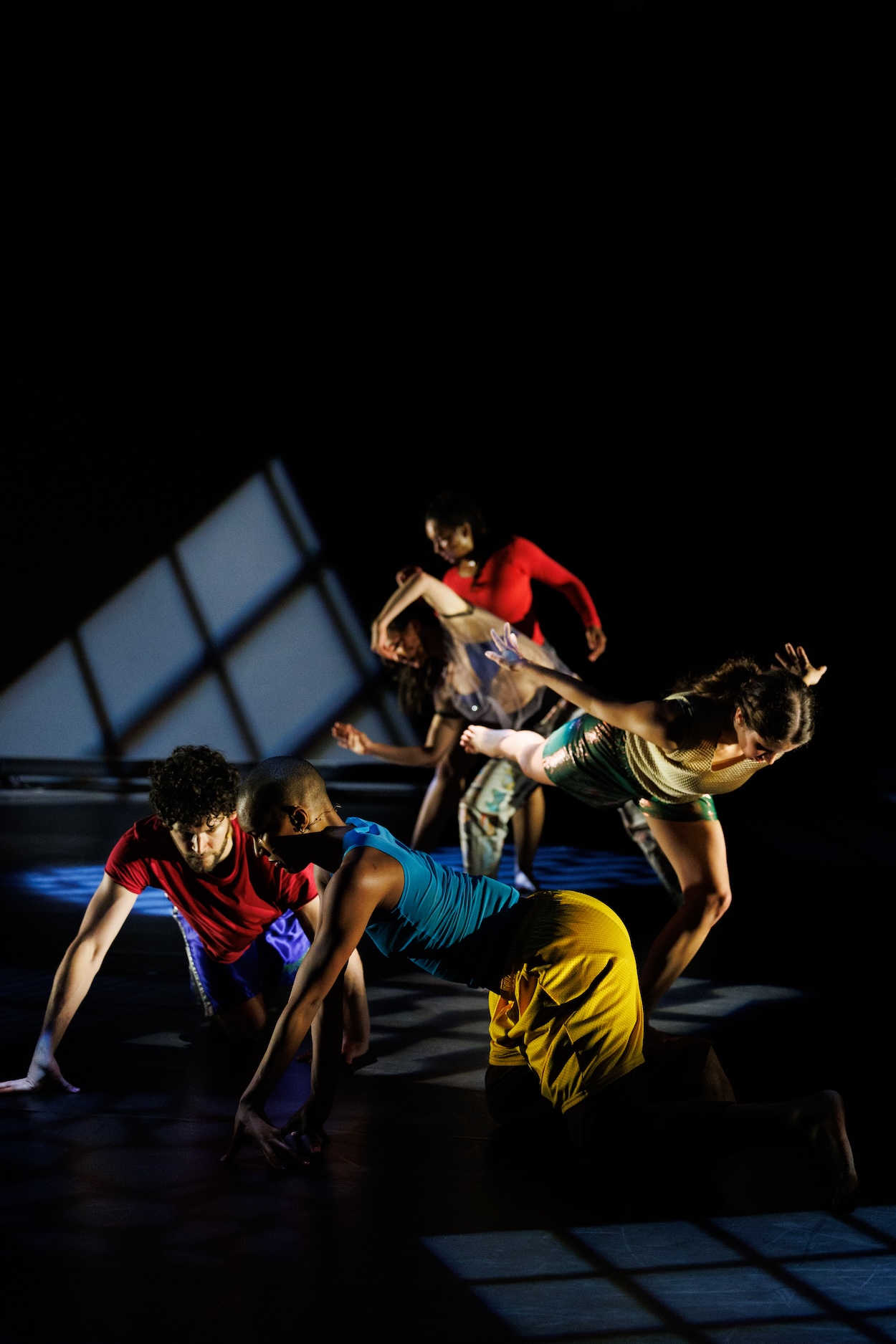
Rashaun Mitchell and Silas Riener, photo by Angel Origgi
…
Jones is also committed to offering accessible ticket price levels as the programming connects people, cultures, and ideas. “I have always seen the transformative power of performance and how it can move and ground and connect us,” she says. “That’s what I want to bring forth in this program. I want people to understand that we do this work but it is there for them.”