For five days in late May, Lisbon became one giant design district. Now in its fourth year, Lisbon Design Week transformed the Portuguese capital into a sprawling showcase of creativity, with more than 80 locations across 11 neighborhoods opening their doors to visitors. Studios, galleries, workshops, hotels, showrooms, and cultural institutions participated in the citywide event, which ran concurrently with Lisbon By Design, and brought together more than 150 designers, makers, artisans, and brands.
Unlike many design festivals built around a singular theme, Lisbon Design Week thrives on something more interpretive. The 2026 edition centered on collaboration and creative exchange, with designers, craftspeople, and brands joining forces through shared exhibitions, installations, and new commissions. The result was a program that felt distinctly Lisbon: eclectic, welcoming, and deeply connected to both tradition and experimentation.
Courtesy of Vasco Fragoso Mendes…
That tension between old and new surfaced repeatedly throughout the week. Portuguese craftsmanship remains the foundation of much of the country’s design scene, but the most compelling work wasn’t interested in preserving tradition protected by glass. Instead, designers treated heritage as a living material—something to reinterpret, question, and build upon.
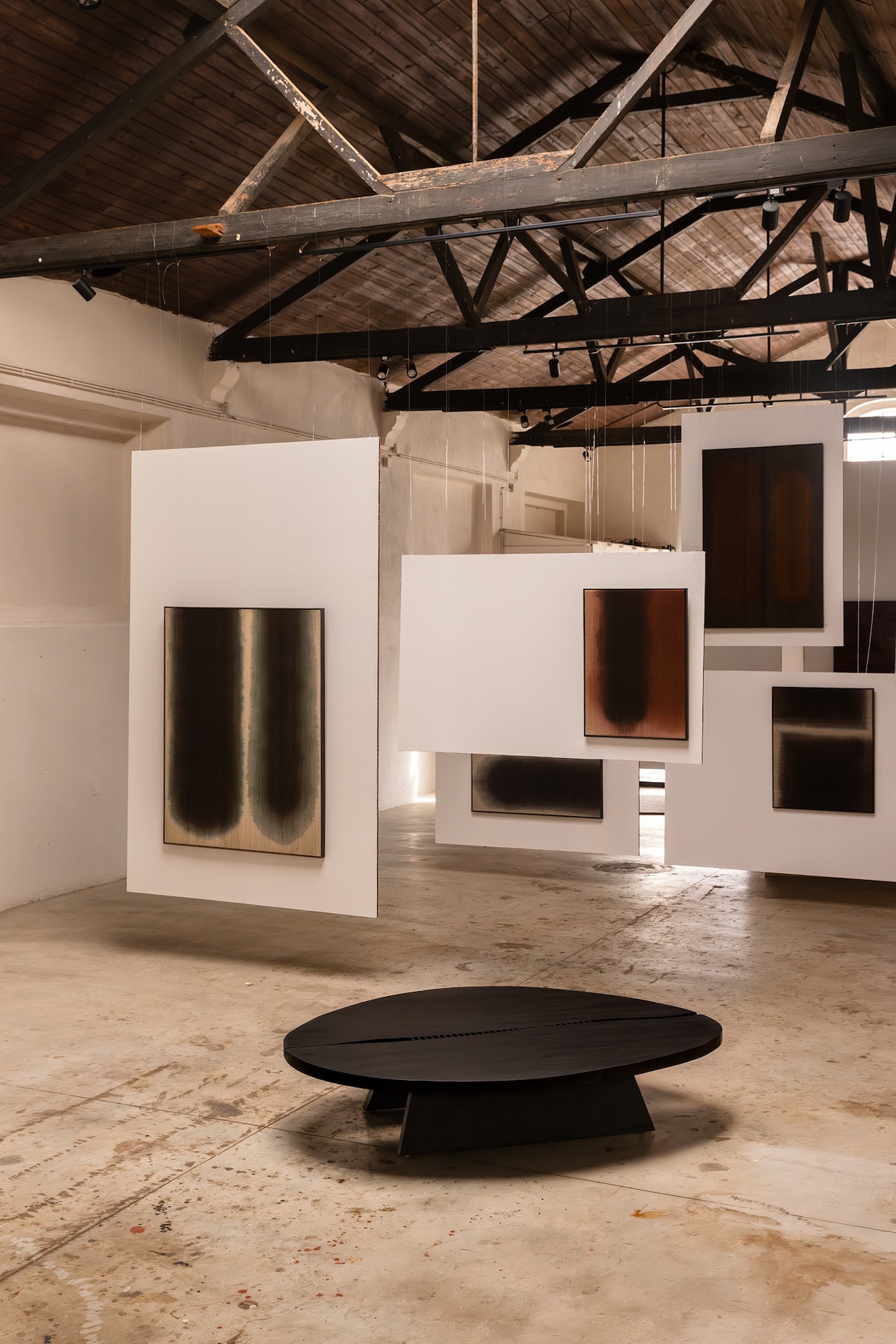
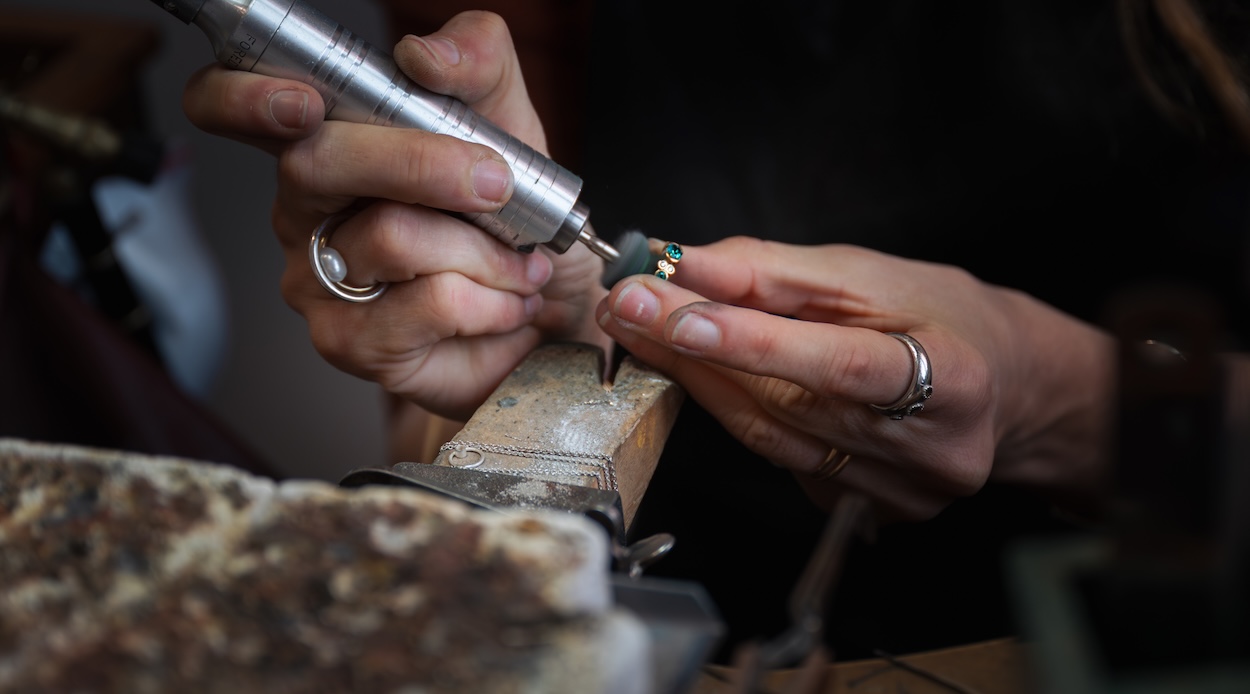
Perhaps nowhere was that clearer than “Design Feito à Mão” (“Design Made by Hand”), the festival’s flagship exhibition at Arquivo Aires Mateus. Taking the humble jar as its starting point—one of humanity’s oldest designed objects—the exhibition brought together artisans, designers, and makers working across disciplines to explore the enduring relationship between handcraft and contemporary design. Curated by André Matos, Vasco Águas, and Astrid Suzano, the exhibition underscored a theme that resonated throughout the week: even in an increasingly digital world, the hand still matters.
Courtesy of Irina Boersma Machado…
What makes Lisbon Design Week especially compelling is how integrated it feels with the city itself. Rather than funneling visitors into a convention center or fairground, the event encourages exploration. One moment you’re stepping inside a centuries-old building to view contemporary ceramics; the next you’re discovering an emerging designer’s work in a neighborhood studio down a warehouse entry or stumbling upon a collaborative installation tucked inside a showroom.
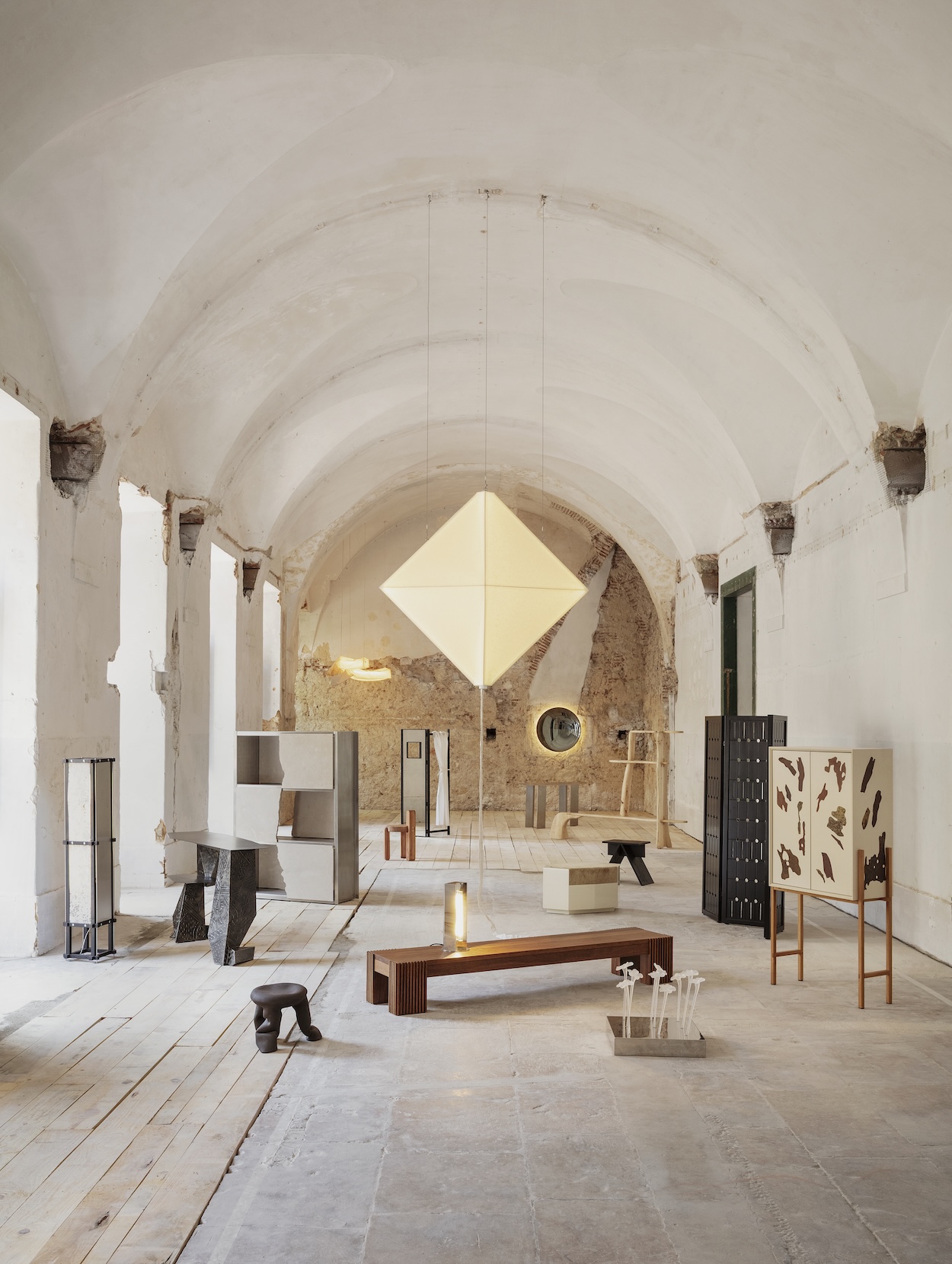
Some of the week’s presentations demonstrated the breadth of Portugal’s contemporary design scene. At the Basílica da Estrela, Luso Collective’s “Integrity and Form” transformed the historic chapel into a showcase for collectible design, bringing contemporary furniture, lighting, and decorative objects into dialogue with one of Lisbon’s most recognizable landmarks.
Courtesy of Irina Boersma Machado…
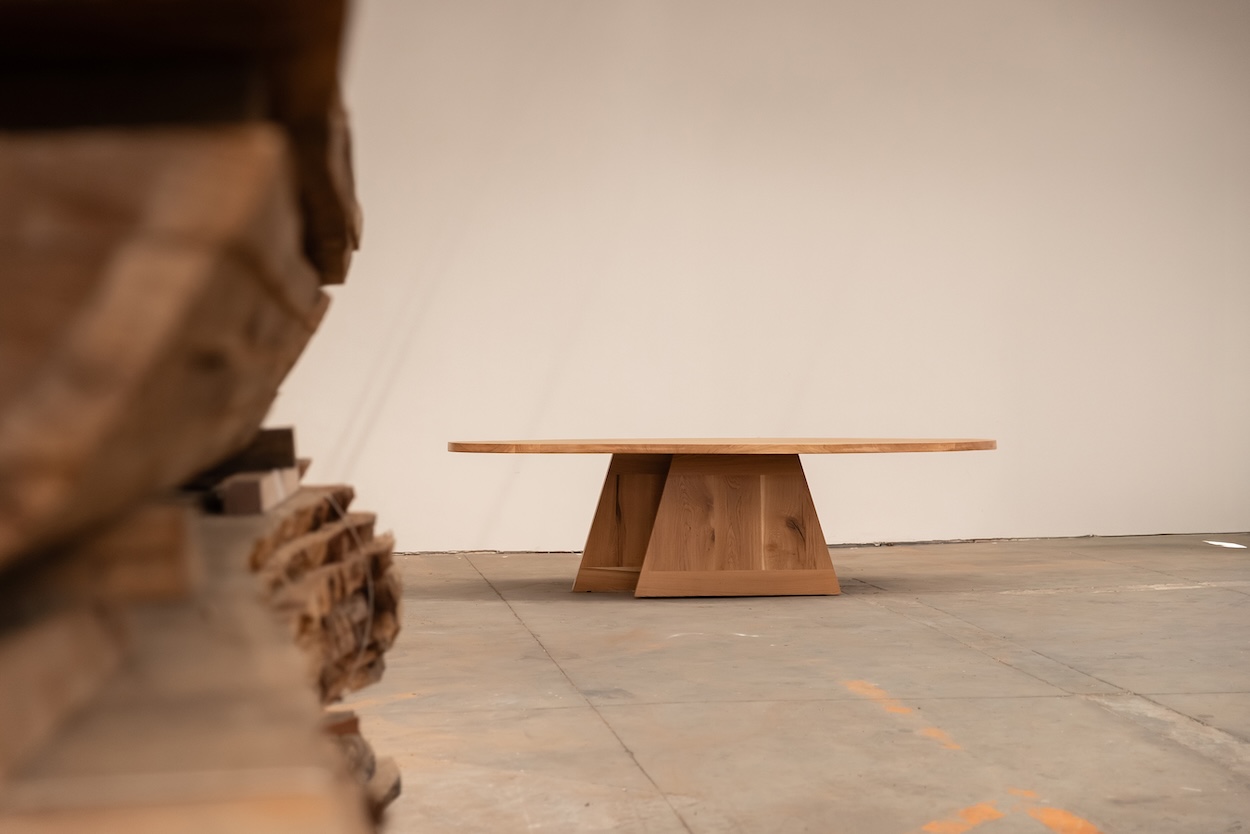
Elsewhere, Lisbon Design Week’s Spotlight series offered deeper looks into individual creative practices. Among the highlights was designer Vasco Fragoso Mendes’ presentation at The Lisbonaire, where the Lisbon-born designer showcased his evolving body of work exploring the duality between raw materiality and geometric form. Trained as an architect and known for his handcrafted furniture and lighting pieces, Mendes works primarily with wood, cork, metal, and paper, creating objects that feel both deeply rooted in Portuguese craftsmanship and distinctly contemporary and utilitarian, like a table that can be used as a game.
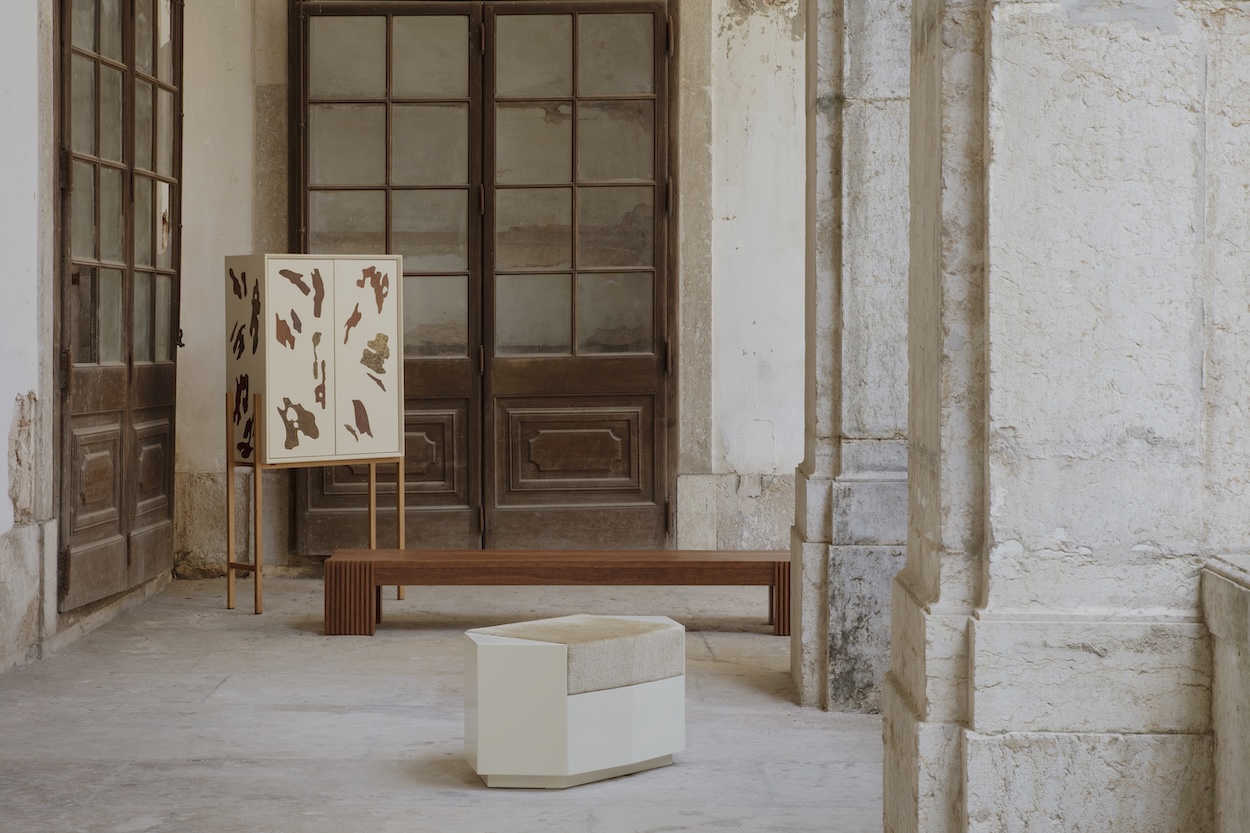
Designers such as Mafalda Girão and Beatriz Horta Correia similarly demonstrated how a new generation of creatives is drawing from local materials and artisanal techniques while pushing Portuguese design in new directions.
Courtesy of Mafalda Girão…
As Portugal’s design profile continues to rise internationally, Lisbon Design Week is emerging as a platform for a broad conversation about what Portuguese design means today. Judging by this year’s edition, the answer lies somewhere between heritage and innovation, craftsmanship and experimentation, and, perhaps most importantly, collaboration.