Forgoing a more academic study of the work of the 2026 Pritzker Architecture Prize laureate, Smiljan Radić, the documentary MUNDO FRÁGIL invites viewers to travel with the Chilean architect to places that have influenced his practice and, more importantly, him as a person. From an eccentric Santiago home that he wishes he’d designed to his own remote residence in the forests of Vilches and finally the elemental, ghostly Atacama landscape where his grandfather immigrated in 1919, the intimate adventure unearths artistic insight and paints a poetic character study. A rumination on the power of place, the film—by acclaimed architectural documentarians Ila Bêka and Louise Lemoine—made its world premiere at MoMA on October 12, opening the 18th edition of the Architecture & Design Film Festival (ADFF). Radić spoke with Surface after a private screening to share further thoughts.
Chilean Architect Smiljan Radić on the Biographical Documentary, 'MUNDO FRÁGIL'
The intimate, insightful “road trip” film with the 2026 Pritzker Architecture Prize laureate opened the 18th edition of the Architecture & Design Film Festival
David Graver October 13, 2026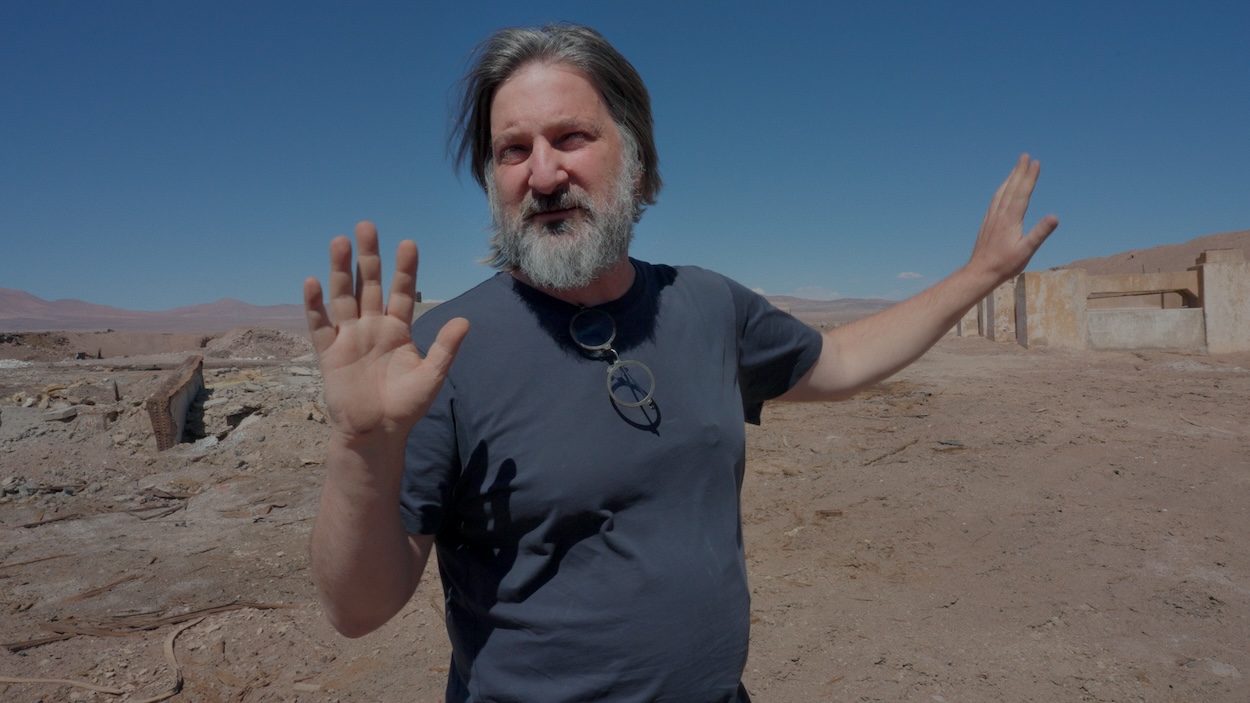
What compelled you to open up in this way to the filmmakers Ila Bêka and Louise Lemoine?
I’ve known Ila and Louise for years. When they proposed the film, maybe two or three years ago, it was something really natural. I didn’t have to think much about it, because it was more about traveling together than producing a film. At that moment, I didn’t believe anything would come of it. But on the trip it was amazing, because it was work. We worked together to try to rescue some places. But to answer the question: it was natural. When you do something with friends, you trust them, and that’s it. It’s no more than this.
You begin our adventure with a home you did not design. If you had been commissioned to be the architect of this “insect house,” what might you have done differently?
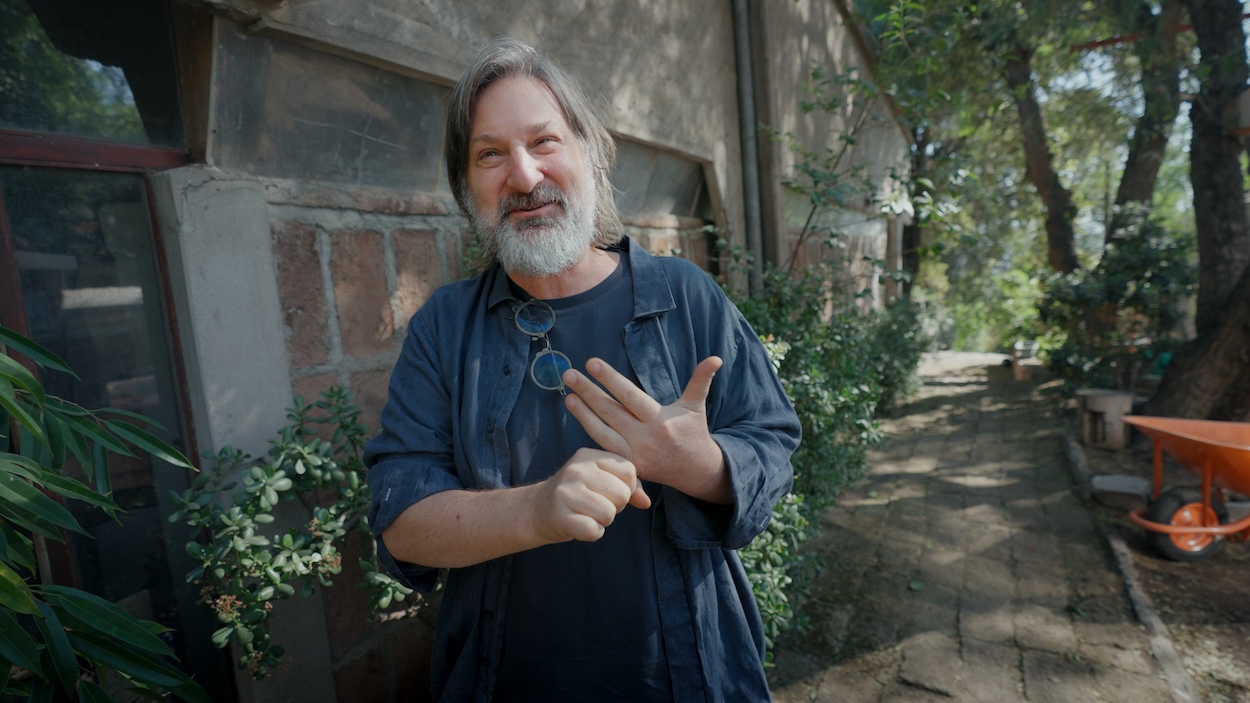
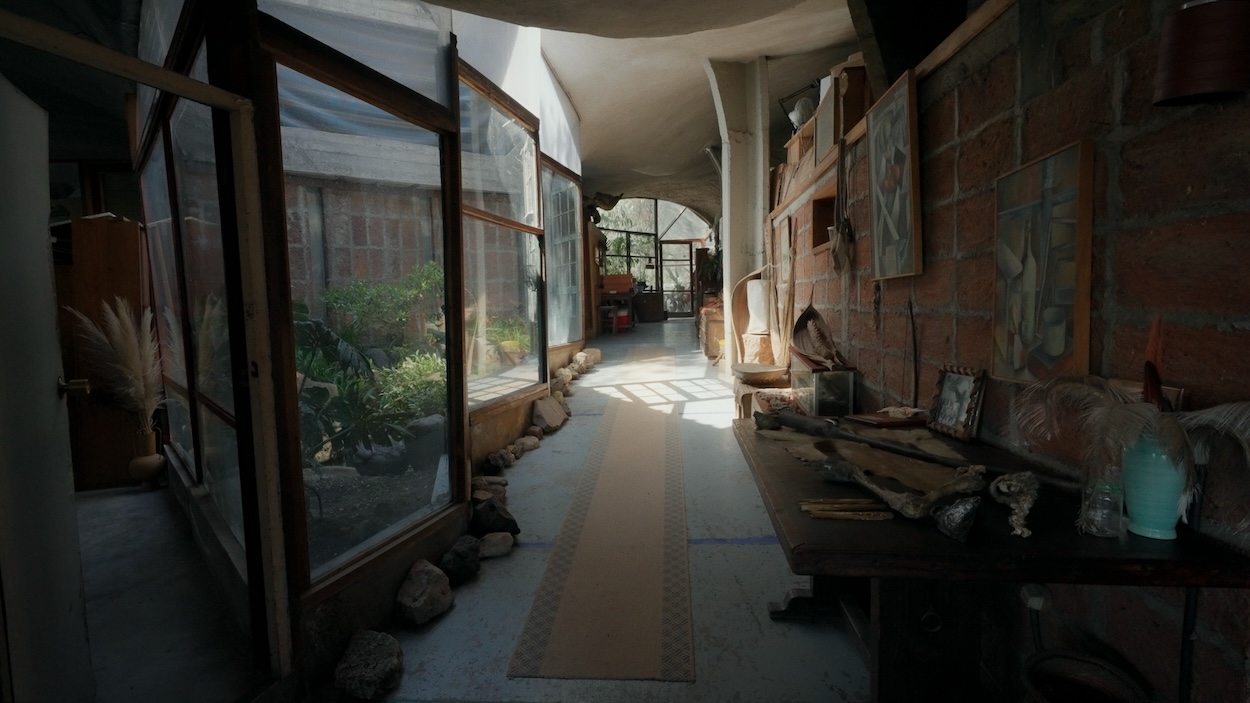
We call it that, but it’s a real, normal house of an entomologist. We call it that because it’s full of insects inside. It was his collection. I didn’t design it. Miguel Eyquem, a great architect, designed it, and I always say it’s the best Chilean house I know. It’s down to the bones, a really dry house, and I love that kind of sensation. It’s an amazing house, a strange place, and I love the atmosphere inside.
I’ve received a commission to design a house in the desert, and part of the reference is the Casa de los Bichos. The house I’m designing is called Dry House. All the materials are thin and very specific. You don’t have many layers. You have two materials, and that’s it. It’s comfortable in the sense of being austere, not comfortable in the sense of sitting in the middle of the sofa, controlling the climate every day. It’s the landscape every day. It’s about feeling it on yourself, and that is really beautiful, I think.
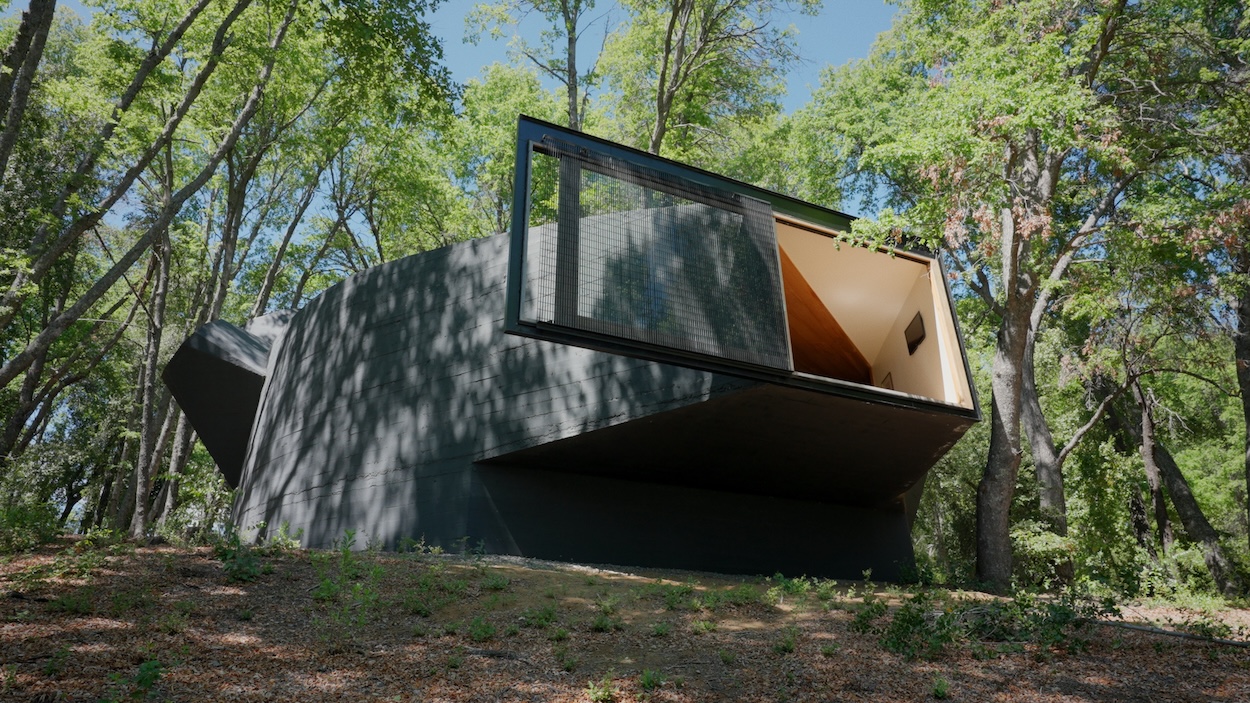
You bring us into your very personal world in Vilches. Has this experimental place changed much since you began to develop it? Will it continue to change?
It’s strange, because when you are really living in a place, you never think that you are working on it. You are just living in it, and living beings change things. It’s something natural. It’s not a project. It will change, for sure, and it has changed a lot over the years, but that’s because we are living there. And then, I’m an architect. I have to manipulate things. It’s a sickness, I could say.
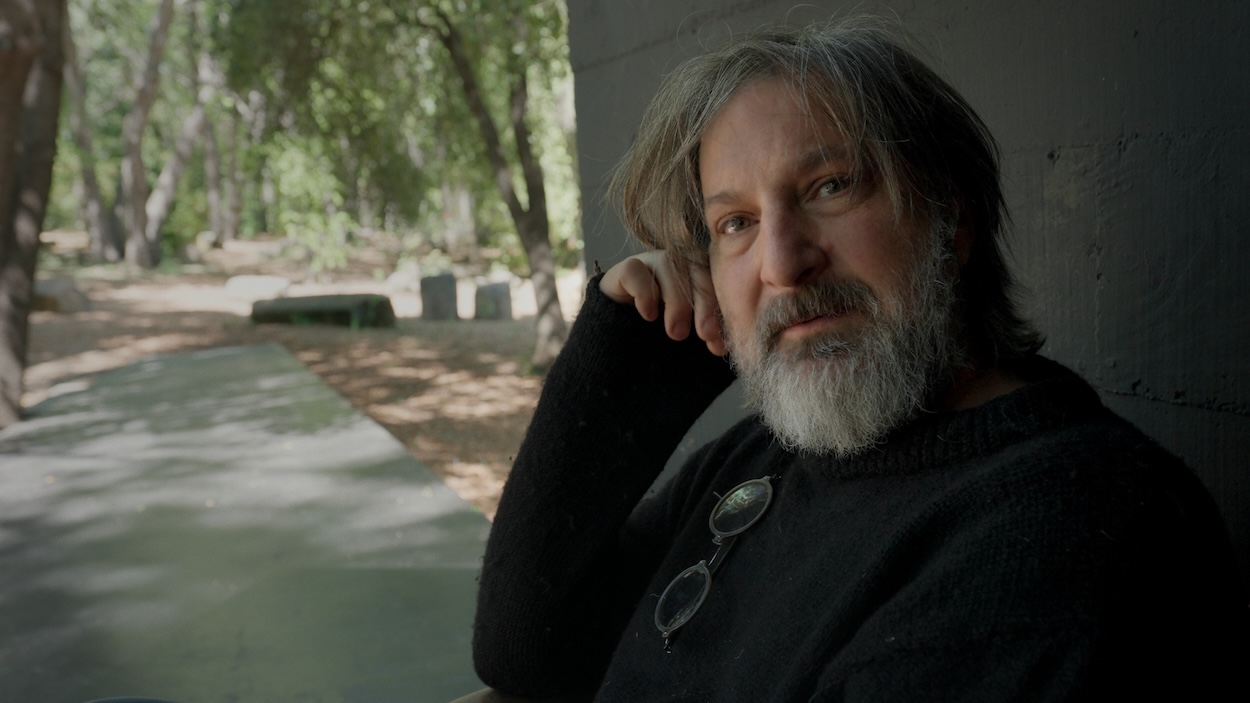
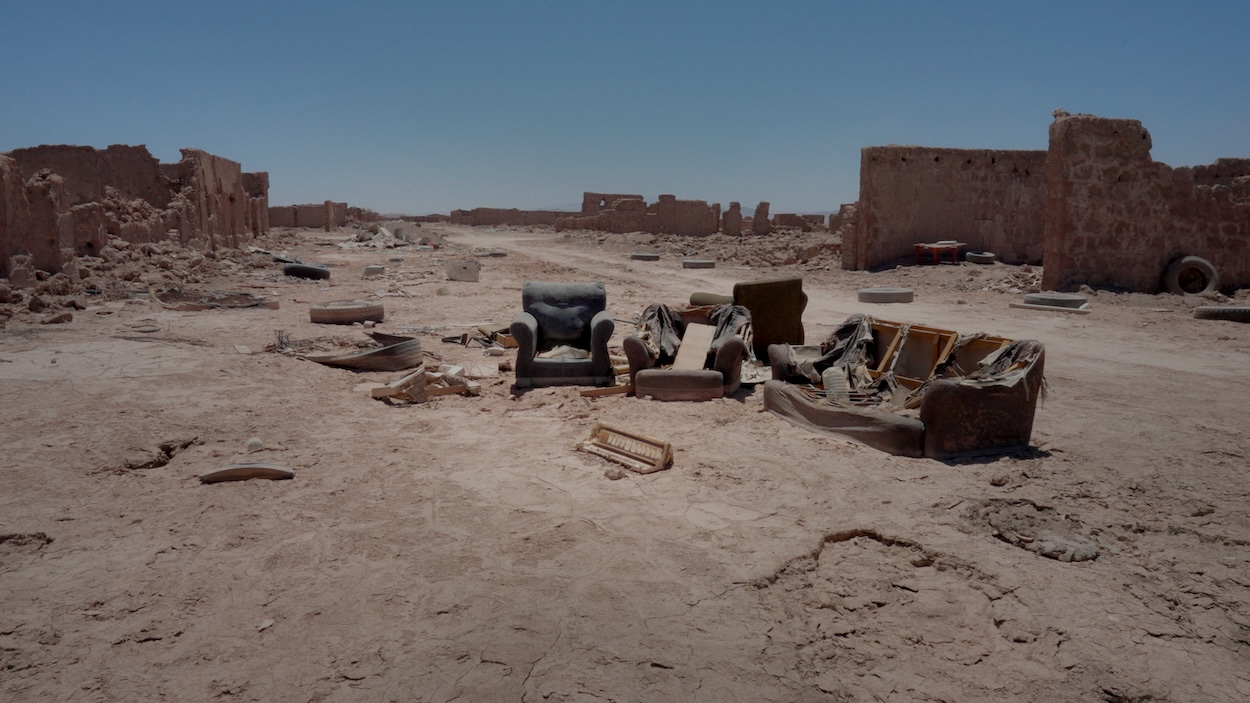
In the Atacama, so much of where you take us is abandoned and, as you say, “belongs to no one.” What are your hopes for these places? That they are preserved? That something remains? Or that time continues to take its toll?
The places we visit in the film all have some relation to me. They are very different from each other, and in some of them, the life is gone. That is really beautiful, and really difficult to accept. When you go there, you feel they could start again, or never come back, and that sensation is beautiful. We don’t need to preserve old things just because they are old. It’s not about the object. It’s about how time goes on, and that’s it. Accepting that reality is really hard. In these places there is no money, so you have to accept the weathering, and that the objects won’t be there for long. It’s not about materiality, it’s about memory. I think in architecture, memory is more important than materiality. At least in the architecture I think about. I never talk about general issues, only about what interests me.
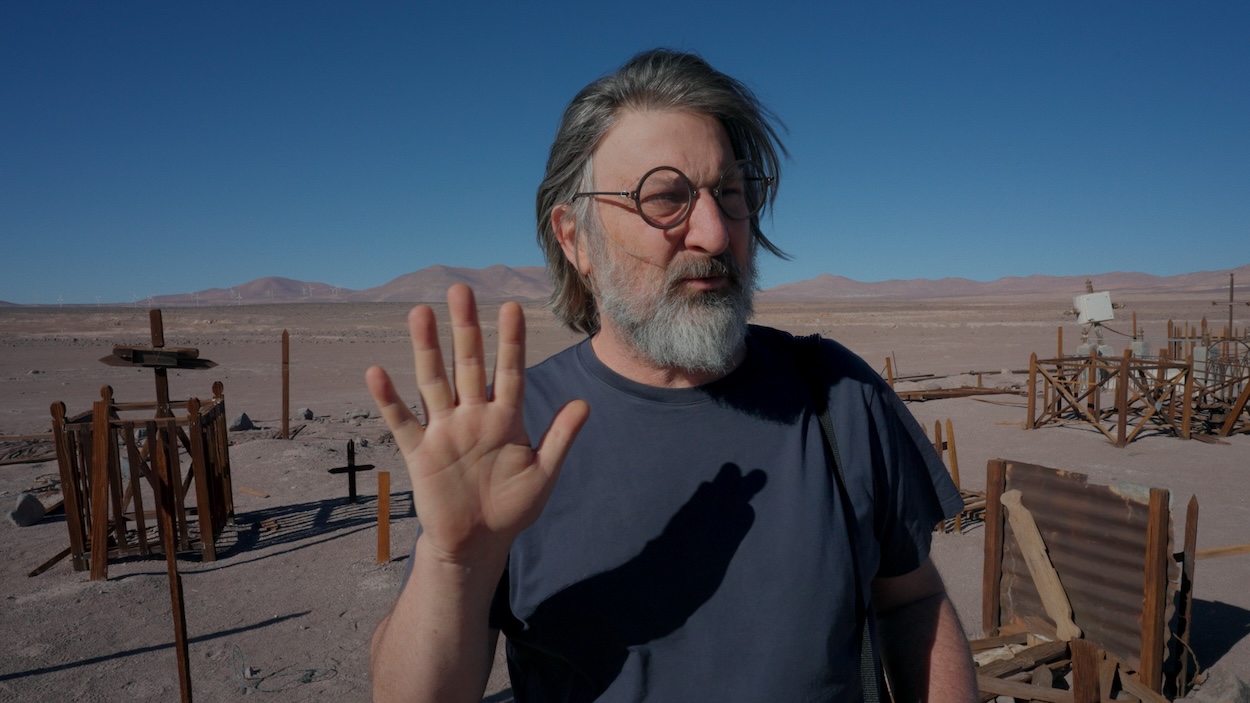
The inclusion of your photos lets viewers further into your artistic eye. How did that come to be?
I am not a photographer. I’m a really bad photographer. But I bought a Leica, a monochrome Leica, where you just hold it up and the pictures happen. So I feel like a photographer, but I’m not. I love it, and I always do it, but it’s just for me. On the trip, I sent them to Ila and Louise because I thought they might help in some way. They’re all out of focus, but not on purpose. I just can’t focus these things. It’s a hobby.
You speak Italian throughout the film. Does the language add a different lens to a film that’s very much a study of Chile?
Ila, Louise, and I always speak Italian together. It’s our language. When we make a trip together, we are not producing something outside of ourselves. We are producing something inside our group. So Italian was the natural choice. We didn’t think about what would be better for the film. We talk in Italian, and that’s it.
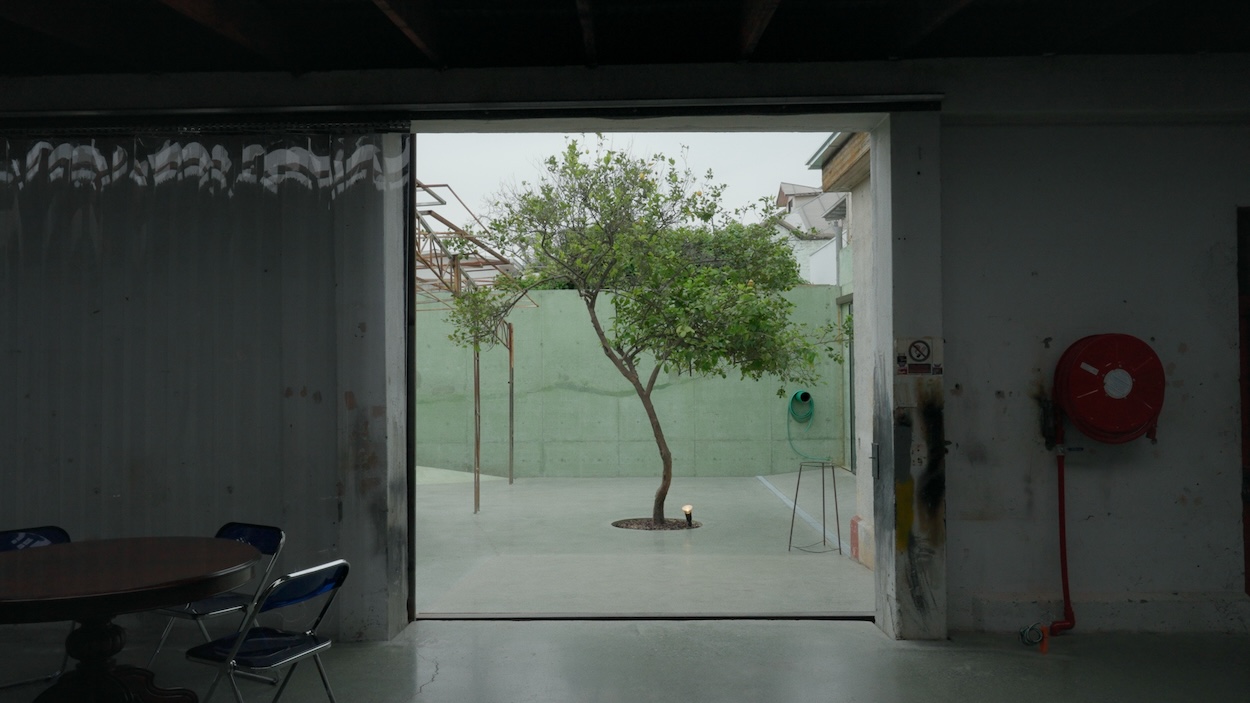
Is there anything you’d like to note about life after winning the Pritzker?
For me, the Pritzker is an amazing honor. But what I’m just recovering from now is that it makes you see your work as the past. I don’t feel comfortable with that. Right now I’m looking to the future, not in the sense of what I’m going to do, but just working. I’ve started to work again: where can I work, how can I work? That’s the part I like so much. So the Pritzker let me see my work as the past, and that was really good, but at the same time it was sad, in some way. But that’s life.
People think something different is coming now. It’s not. It’s the same stupid guy who was speaking three months ago, without the Pritzker. And that’s what’s beautiful about the film: it was shot before the prize. I haven’t watched it yet, this will be my first time, but I think it’s the same stupid guy.